




In an era where digital screens often dictate public discourse, a seismic shift is underway in how citizens, particularly younger generations, consume political information. A recent YouGov survey revealed a striking trend: nearly 65 percent of 2,000 adults surveyed now turn to digital creators for their political insights, rather than traditional news outlets. This figure skyrockets to 77 percent among Gen Z, signaling a profound and likely irreversible transformation in the political landscape.
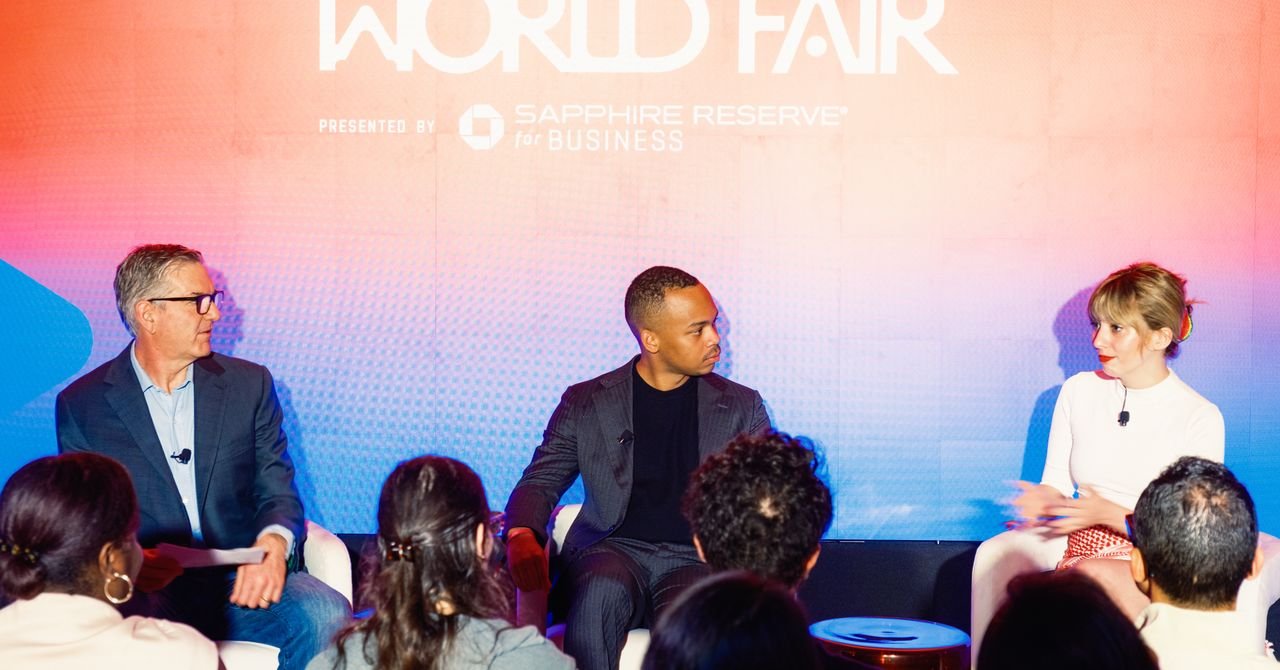
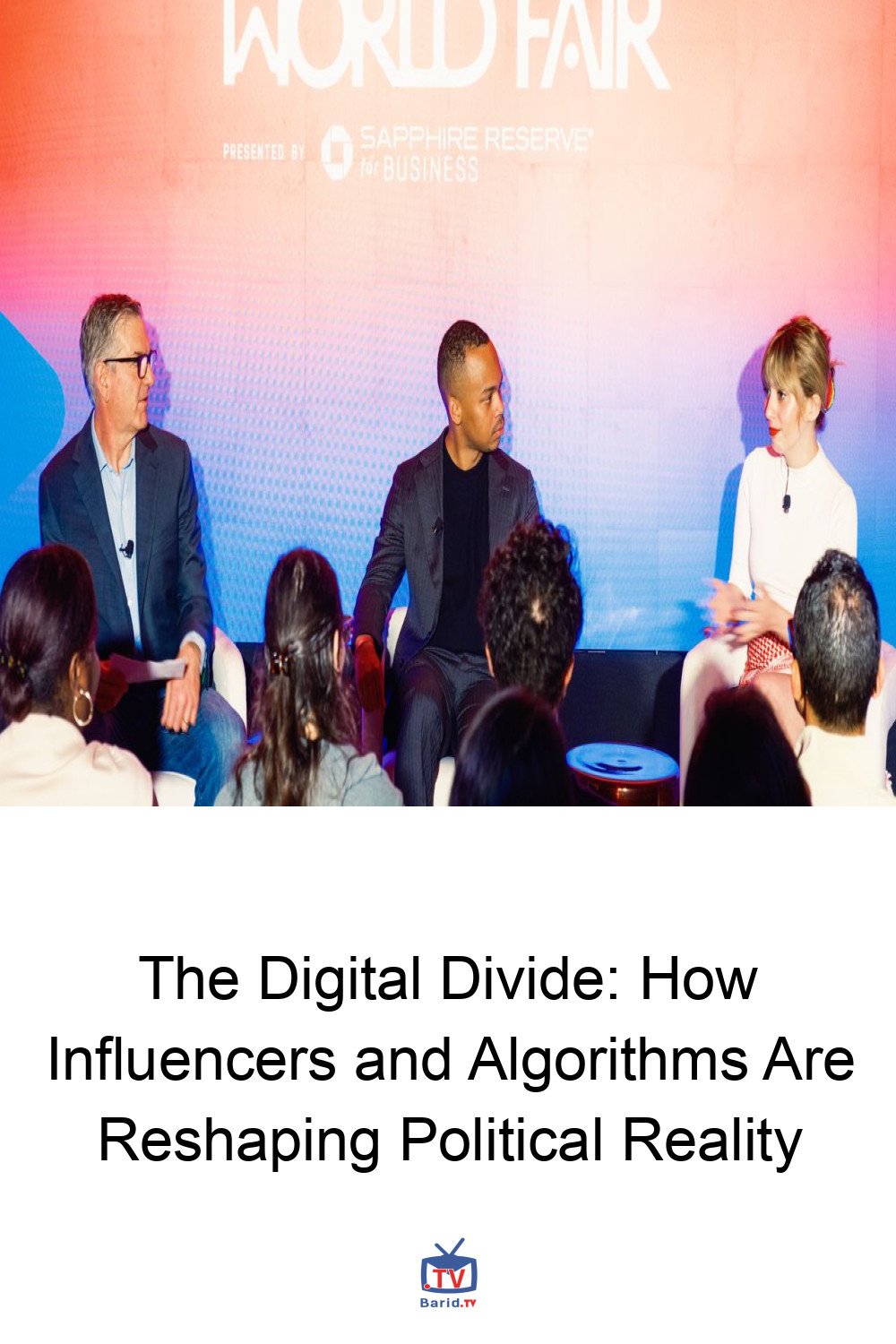
Against this backdrop, the WIRED World Fair in Miami recently hosted a compelling discussion between two prominent figures at opposite ends of the political spectrum: Kat Abughazaleh, a Democratic candidate for an Illinois House seat, and Republican strategist CJ Pearson. Their conversation delved into the burgeoning power of influencers and the intricate, often divisive, role of algorithms in shaping our collective political reality.
The White House’s Digital Playbook: A New Era of Engagement
The Trump administration has been a trailblazer in integrating right-wing digital creators into its communication strategy. Former press secretary Karoline Leavitt notably opened formal press briefings to these online personalities and even hosted dedicated influencer briefings. While this move drew criticism for potentially fostering “softball” questions and sidelining traditional media, it undeniably marked a new frontier in political outreach.
CJ Pearson, a former member of the RNC’s Youth Advisory Council, has been an active participant in these efforts. He observes that this “chronically online administration” has set a precedent, with federal agencies now widely adopting the White House’s digital engagement model. For Pearson, it’s a pragmatic necessity in an age of dwindling attention spans.
“It’s simply the cost of getting people’s attention in the digital age,” Pearson stated. “With how short people’s attention spans are, you have to make [things] interesting.”
However, even within the right, not all digital strategies have been met with universal approval. Pearson himself deemed the administration’s decision to distribute portions of the Epstein files to 15 right-wing creators a “misstep.”
Divergent Views: Engagement or Exploitation?
For Kat Abughazaleh, a former Media Matters reporter, the administration’s deep dive into internet culture carries a far more sinister implication. She points to instances like the Department of Education’s use of the “Malfoid” meme—a gender-bent, fascist Harry Potter figurehead—which she believes was tailored for a “too-online audience of ‘incels.'”
Abughazaleh also criticized the White House’s use of “AI slop and brutality” in ads depicting ICE actions, arguing that such content transforms “cruelty into content” rather than genuinely informing the public. Her concern is clear:
“They’re trying to ruin your attention span,” she asserted.
The forum itself saw spirited exchanges, underscoring the vast ideological chasm between Abughazaleh and Pearson. Debates ranged from Abughazaleh’s consistent use of the term “concentration camps” for ICE facilities (a stance that led to her arrest during a protest, though charges were later dropped) to Pearson’s assertion that Elon Musk had transformed X into a “bastion of free speech.”
The Echo Chamber Effect: A Shared Reality Crisis
Despite their stark disagreements, Abughazaleh and Pearson found common ground on one critical issue: the pervasive and potentially damaging influence of algorithms. Both agreed that the increasing reliance on algorithmic feeds is creating insular echo chambers, particularly among young Americans across the political spectrum.
“Algorithms show us what you want to see,” Pearson explained, recounting how friends on the left often share political articles he has never encountered. “The deeper question is, is that good for society or for democracy?”
Abughazaleh echoed this sentiment with a stark, unsettling conclusion:
“We have no shared reality,” she added.
This shared concern highlights a fundamental challenge for modern democracy. As personalized algorithms curate our information diets, the collective understanding of facts, events, and even basic societal norms fragments. The future of political discourse, and indeed democracy itself, may hinge on our ability to bridge these widening digital divides and reclaim a semblance of shared reality.
For more details, visit our website.
Source: Link






Leave a comment