



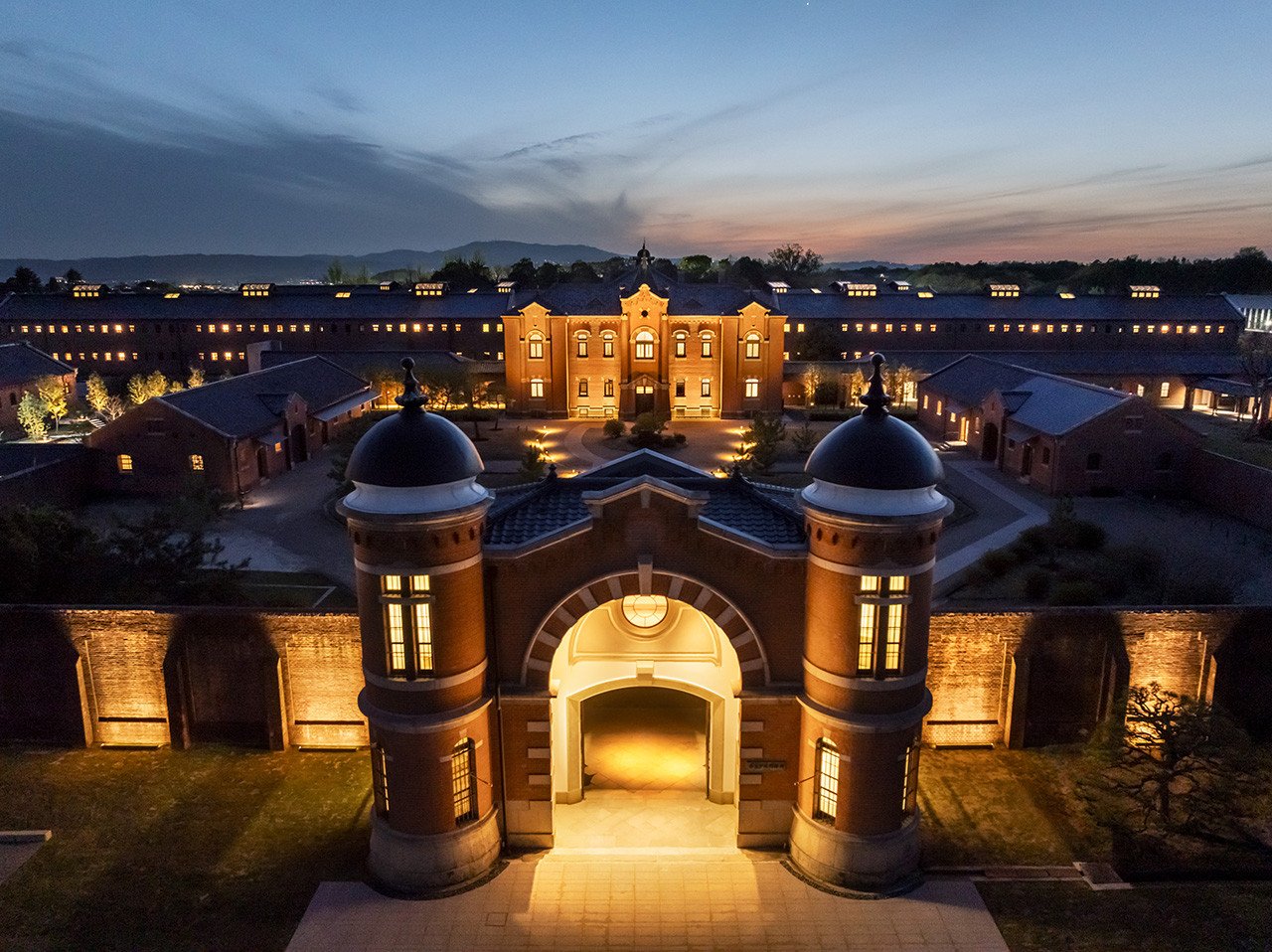

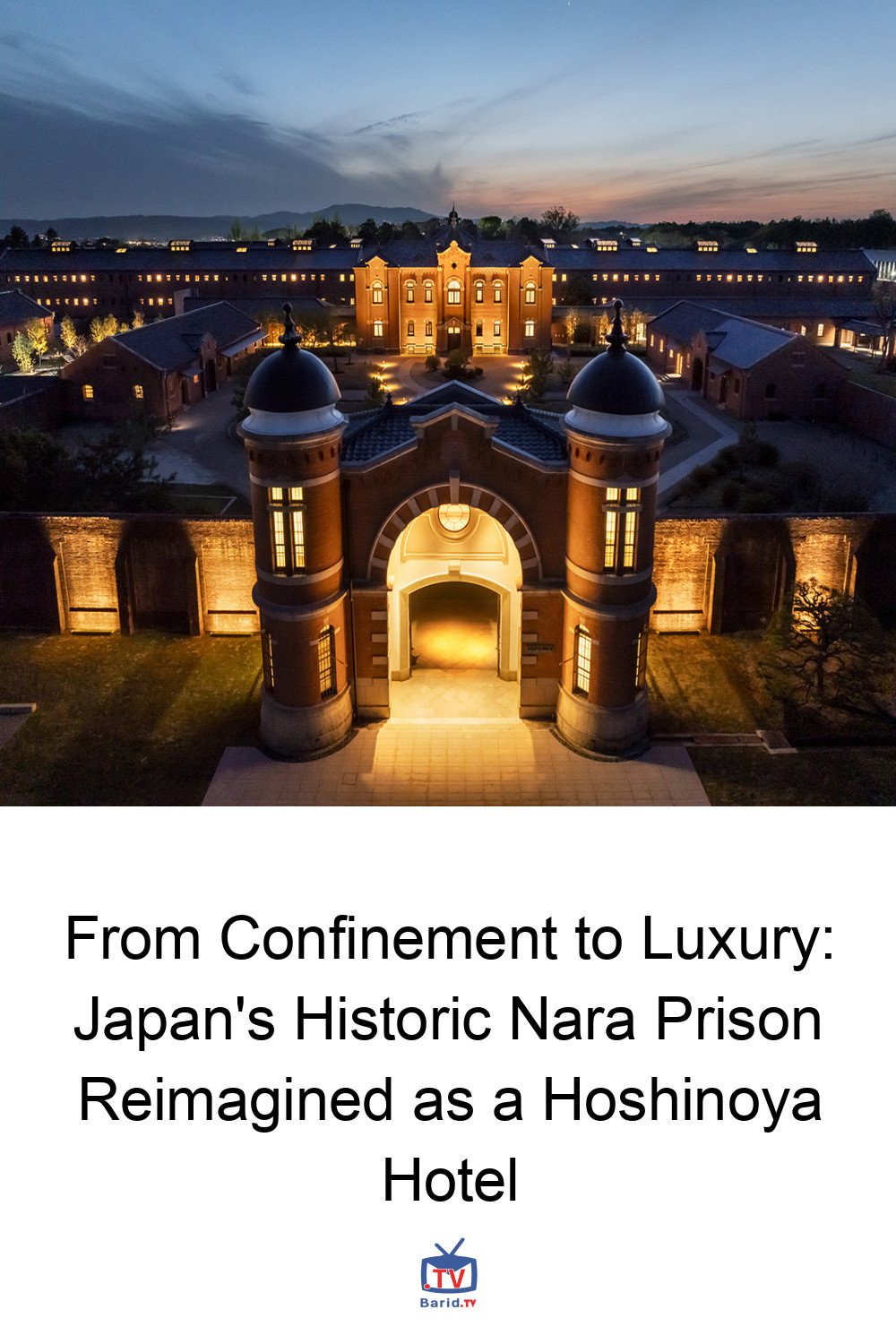
In a remarkable feat of architectural transformation and cultural preservation, Japan’s iconic Nara Prison, a century-old edifice steeped in history, has been reborn as the opulent Hoshinoya Nara Prison. This 48-suite luxury hotel, the brainchild of Hoshino Resorts, stands as a testament to adaptive reuse, offering guests an unparalleled experience where the echoes of the past meet the pinnacle of modern comfort.
A Legacy Forged in Brick: The Nara Prison’s Storied Past
Constructed in 1908 by the esteemed government architect Keijiro Yamashita, Nara Prison holds a unique place in Japan’s architectural heritage. It is the sole complex among the nation’s monumental “Five Great Prisons of Meiji” to survive almost entirely intact. Its robust brickwork and distinctive design have silently witnessed over a century of history, making its conversion a project of profound significance.
From Cells to Suites: A Vision of Transformation
While the concept of converting former prisons into hotels isn’t entirely new, Hoshinoya Nara Prison elevates this model into an exercise in meticulous cultural preservation. Under the expert guidance of lead architect Rie Azuma (Azuma Environmental Architectural Research Institute) and supported by conservation specialists from Yasui Architects & Engineers, the renovation was a delicate balance. Azuma’s vision was to create a contemporary luxury space that remained deeply respectful of the site’s formidable history.
Embracing the Haviland System
The original Nara Prison complex was designed using the conventional Haviland System, a radial layout where five wings elegantly extend from a central guardhouse. Rather than concealing this rigid institutional typology, Azuma and her team chose to celebrate its structural geometry. The original circulation routes were preserved, and the architectural rhythm of the long corridors and majestic brick arches was thoughtfully emphasized, allowing guests to trace the building’s historical blueprint.
“We aim to preserve the memory of how [Japanese people] of the time engaged with unfamiliar Western culture, while creating a space where modern guests can enjoy a comfortable stay,” Azuma explains. This philosophy underpins the entire design, balancing imposing architecture with the warmth and comfort expected of a luxury establishment.
Crafting Unrivaled Luxury from Humble Beginnings
The most significant design challenge lay in transforming narrow, isolated detention cells into expansive, indulgent luxury suites. Azuma’s team ingeniously solved this by connecting multiple former cells, creating larger accommodations while carefully retaining elements of the original architecture. A prime example is “The 11-Cell Deluxe,” a signature suite where eleven original blocks were seamlessly integrated into a single, generous footprint, now boasting an expansive living area and a separate dressing lounge.
A Dialogue of Materials: Old Meets New
Throughout the interiors, material selections orchestrate a compelling dialogue between historical preservation and contemporary structural demands. Exposed steel seismic reinforcements, strategically installed to fortify the century-old brickwork, stand in stark, graphic contrast against the rugged, hand-laid brick walls, celebrating the physical weight of the original construction. These metallic lines are softened by restored plaster ceiling moldings and warm timber paneling, which introduce tactile warmth and temper the otherwise austere material palette.
Meiji Era Echoes and Global Integration
The interior concept is a direct homage to the Meiji era’s spirit of global integration. In a groundbreaking move for the Hoshinoya brand, European furnishings are thoughtfully placed throughout the property, reflecting the profound Western influences that shaped Japanese architecture and culture during that pivotal period. Contemporary artworks further complement the historic interiors, harmoniously set within the building’s preserved architectural volumes. The main lounge, with its open atrium, exposed structural beams, and a series of arches extending from the windows, creates an inviting sanctuary for quiet reflection.
Illuminating History with Subtle Grace
Lighting designer Masanobu Takeishi played a crucial role in softening the building’s inherent severity. He employed subtle indirect illumination and exquisite handcrafted ceramic fixtures, meticulously thrown by local artisans, to introduce depth and spatial richness. In the courtyard, lighting inspired by distant moonlight casts a similarly restrained and serene atmosphere after dark.
The “Outside Within”: A Landscape Reimagined
Outdoors, landscape architect Hiroki Hasegawa envisioned the expansive grounds through an innovative “outside within” concept. Geometrically arranged walkways, private decks, and meticulously maintained planting areas offer guests serene outdoor spaces, carefully curated within the formidable former prison walls. “The vast, open spaces that once served security purposes have been preserved as much as possible, while fragments of the outside world—carefully maintained landscapes—have been introduced in selected areas,” Hasegawa explains, creating pockets of tranquility amidst the historic architecture.
A Model for Sustainable Heritage Tourism
Beyond its architectural marvel, Hoshinoya Nara Prison stands as a pioneering example of adaptive reuse and heritage preservation. The project doesn’t merely use the building’s history as a backdrop; it integrates it into the very fabric of the guest experience, allowing visitors to intimately encounter the original architecture alongside contemporary interventions. Through what Hoshino Resorts has aptly dubbed the “Cycle of Heritage,” the project proposes a sustainable model where tourism actively contributes to the continued preservation of significant cultural properties. A dedicated pathway even connects the hotel directly to the on-site Nara Prison Museum, inviting deeper exploration into its storied past.
For more details, visit our website.
Source: Link







Leave a comment