



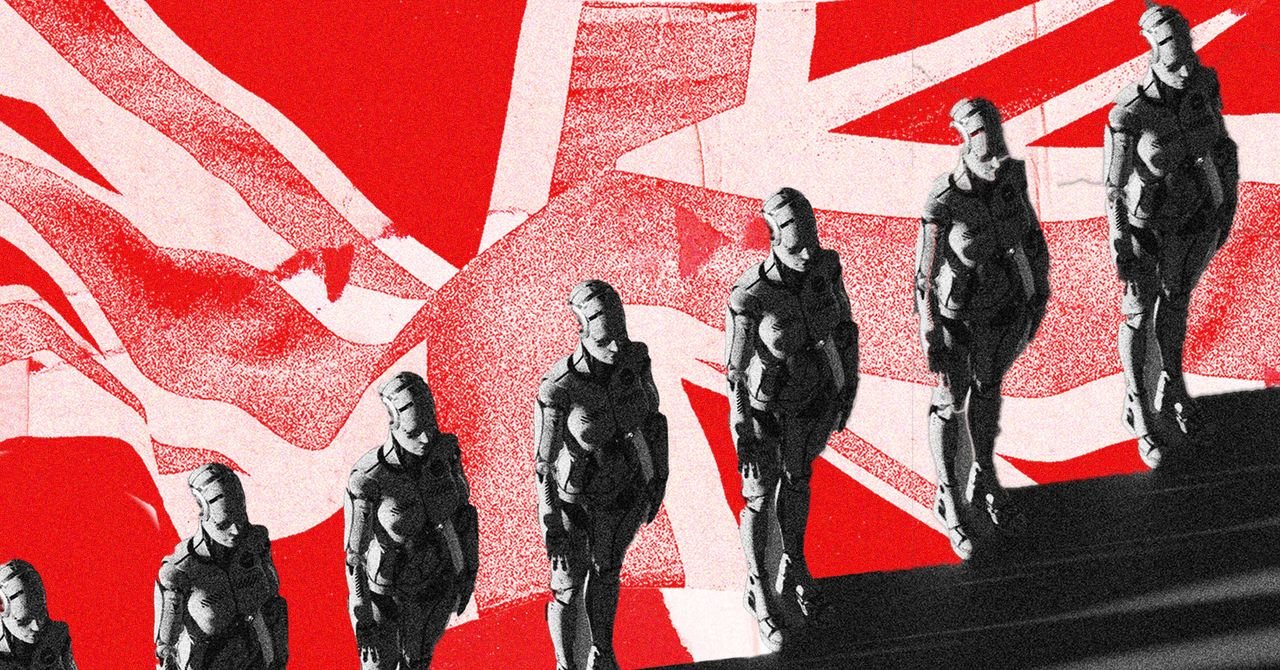

The Great AI Divide: A Call for Regulation Echoes in Westminster
A significant schism has emerged among the titans of artificial intelligence, laid bare during a recent British parliamentary hearing. While OpenAI and Anthropic made a compelling case for the urgent implementation of new, binding legislation to govern AI safety, their industry rivals, Google DeepMind and Meta, firmly resisted the call, advocating instead for voluntary standards and reliance on existing regulatory frameworks. This public divergence underscores a critical juncture in the global discourse on AI governance.
From Voluntary Pledges to Binding Laws: A Shifting Stance
The Business, Innovation, Science, and Trade Committee, a cross-party panel of MPs, convened a pivotal evidence session. Liam Booth-Smith, Anthropic’s head of Europe, was unequivocal: “The rules should be binding.” He stressed his company’s consistent belief that “voluntary commitments are not enough” to ensure AI safety, advocating for a statutory framework. OpenAI’s vice president, Tom Duff Gordon, echoed this sentiment, albeit with slightly more caution, supporting a statutory framework and an international convention. Duff Gordon highlighted the necessity for “mandatory elements,” such as incident reporting, asserting that “basing everything on voluntary commitments for frontier risk is not a good long-term plan.”
Resistance from Industry Stalwarts
In stark contrast, Google DeepMind and Meta expressed reservations about new legislation. Owen Larter of Google DeepMind emphasized a “focus on the standards,” while Meta’s Rob Sherman pointed to Britain’s existing regulatory bodies, suggesting MPs were “not writing on a blank page.” This fundamental disagreement, as noted by select committee chair Liam Byrne, was precisely what the hearing aimed to expose: “to light up the wide differences in opinions between some of the wealthiest firms on Earth” and to demonstrate “that you couldn’t rely on voluntary self-regulation.”
Beyond the Boardroom: National Security Concerns and Regulatory Gaps
The parliamentary debate unfolded against a backdrop of escalating national security concerns. Just meters away from the hearing, MI5 director Ken McCallum issued a stark warning in his annual threat update, singling out the potential for AI to dramatically “change the stakes on existing or even new bioweapons.” McCallum described this as the “misuse case to which I’d attach greatest weight.”
The UK’s Voluntary Dilemma
This alarming pronouncement from MI5 cast a long shadow over the revelations from civil servants during the evidence session. Britain’s AI Security Institute (AISI), tasked with testing frontier AI models, operates under a system entirely reliant on the voluntary cooperation of companies. Henry de Zoete, AISI’s director, conceded that the institute’s access was contingent on firms choosing to submit their models. Cat Little, the top civil servant at the Cabinet Office, confirmed the regime was “at the moment, yes, it is” entirely voluntary. When pressed on AISI’s power to prevent the release of a dangerous model, de Zoete admitted they had “no ability to prevent them from doing so.” He clarified, “What we’re not doing is kite marking… We’re not saying yes or no to any sort of model.”
The Geopolitical Undercurrent: US Influence
The session also highlighted the significant geopolitical dimension to AI regulation. Frontier executives made it clear that British access to their models often runs through Washington. OpenAI’s Duff Gordon stated, “We provide our models predeployment to CAISI [AISI’s US counterpart]. We will continue to provide our models pre-deployment to AISI in the UK… and as long as we’re able to do that under the US government, we will continue to do it.” Anthropic’s Booth-Smith further underscored this, explaining that full unrestricted access to one of their models was initially withheld from UK AISI, citing it as “a question for the US government,” though access was later granted.
Whistleblowers’ Dire Warnings
Adding another layer of urgency, four former lab researchers, including ex-OpenAI staffer Daniel Kokotajlo, testified. Kokotajlo bluntly stated, “I don’t think the companies can be trusted to self-regulate.” Steven Adler, another former OpenAI employee, expressed a lack of confidence in the industry’s safety culture, while Geoffrey Irving suggested that AI labs perceive themselves to be in an unstoppable “race” that governments are unlikely to interrupt. The collective testimony painted a picture of an industry grappling with profound ethical and safety challenges, with a growing chorus advocating for robust, legally binding oversight.
For more details, visit our website.
Source: Link




Leave a comment