



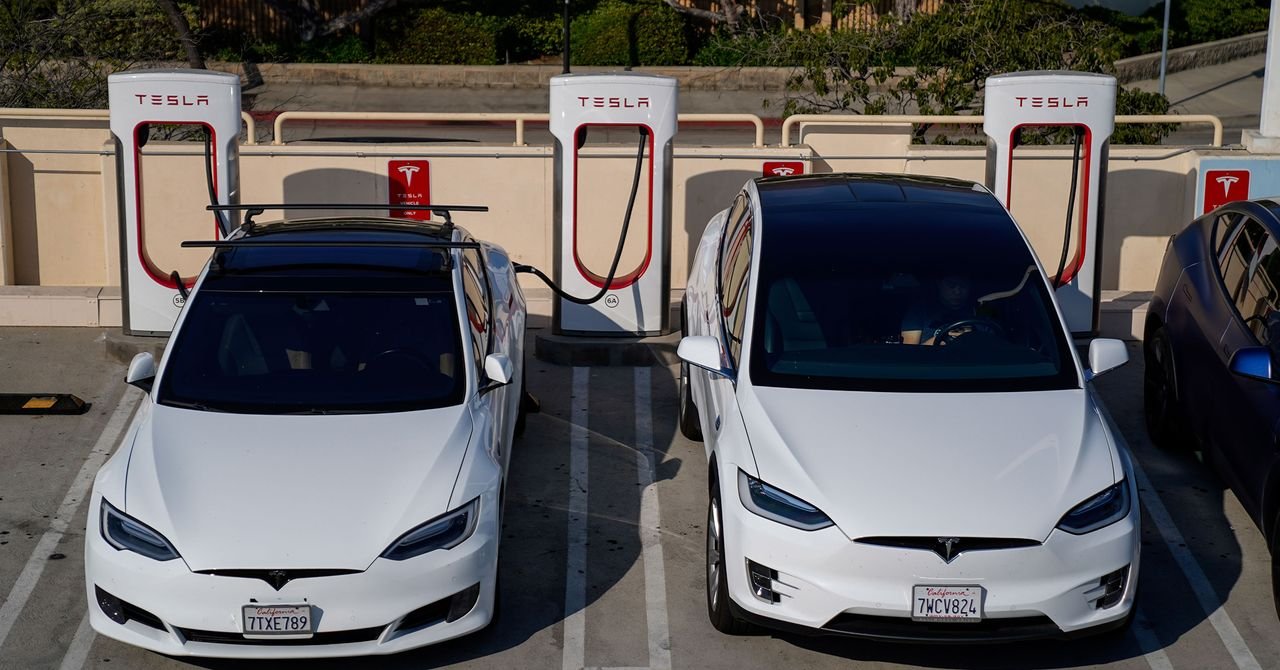

In a significant strategic shift, Tesla has officially rebranded its controversial “Full Self-Driving (Supervised)” feature to “Tesla Assisted Driving (TAD)” across Europe. This move comes as the electric vehicle giant seeks to placate regulators and pave the way for broader adoption of its advanced driver-assistance system on the continent’s public roads.
A Concession to European Regulators
The renaming is a direct response to concerns raised by European authorities regarding the potentially misleading nature of the “Full Self-Driving” moniker. German Transport Minister Steffen Bilger notably described the “FSD” name as “somewhat misleading.” Following constructive discussions with Tesla last month, Bilger has pledged to advocate for the feature’s swift approval by European regulators, with a crucial EU vote anticipated by year-end.
Tesla wasted no time in implementing the change, with the “Tesla Assisted Driving” language appearing on its European sales website as early as Friday. The automaker has yet to issue an official comment on the rebrand.
A History of Nomenclature Battles
This isn’t Tesla’s first encounter with regulatory pushback over its naming conventions. For years, the company staunchly defended its use of “Full Self-Driving,” even in legal battles. Last year, California’s Department of Motor Vehicles deemed both “Full Self-Driving” and the older “Autopilot” terms misleading, violating state law. Under threat of license suspension, Tesla ceased using “Autopilot” and has consistently appended “(Supervised)” to its FSD technology’s official name.
The Reality of ‘Assisted Driving’
Despite its ambitious original name, Tesla’s system, while capable of handling acceleration, braking, steering, and parking, explicitly requires drivers to remain vigilant and ready to intervene at all times. It is, by definition, an assistance system, not an autonomous one.
Performance, Scrutiny, and Global Ambitions
While many Tesla drivers laud the significant improvements in FSD since its 2020 introduction, with some claiming entire trips without intervention, the system has not been without its challenges. In March, the US federal government launched a probe into FSD following nine incidents where the system allegedly failed to respond due to reduced visibility and did not prompt drivers to take control. This followed a 2023 recall of an older software version after US authorities found it violated certain traffic laws.
CEO Elon Musk has long championed the global expansion of Tesla’s driver assistance technology, envisioning a lucrative, software-based revenue stream. This vision has seen success in markets like Australia and New Zealand, which approved the technology last year. The Netherlands became the first European nation to grant provisional permission for FSD this spring, and a version even rolled out to Chinese customers in May. In the US, the “Full Self-Driving (Supervised)” subscription currently costs $99 per month.
Under the Microscope: Safety Data Concerns
Adding another layer of complexity to Tesla’s regulatory push, Reuters recently reported that the automaker allegedly presented misleading safety data to European regulators during its lobbying efforts for FSD approval. This echoes similar accusations from safety researchers in the US, who claim Tesla has used misleading statistics to promote its technology domestically.
The European rebranding marks a pivotal moment for Tesla, signaling a willingness to adapt its marketing to regulatory realities. Whether this semantic shift will accelerate widespread approval and adoption of its advanced driver-assistance systems across the continent remains to be seen, but it undoubtedly represents a significant step in that direction.
For more details, visit our website.
Source: Link



Leave a comment