



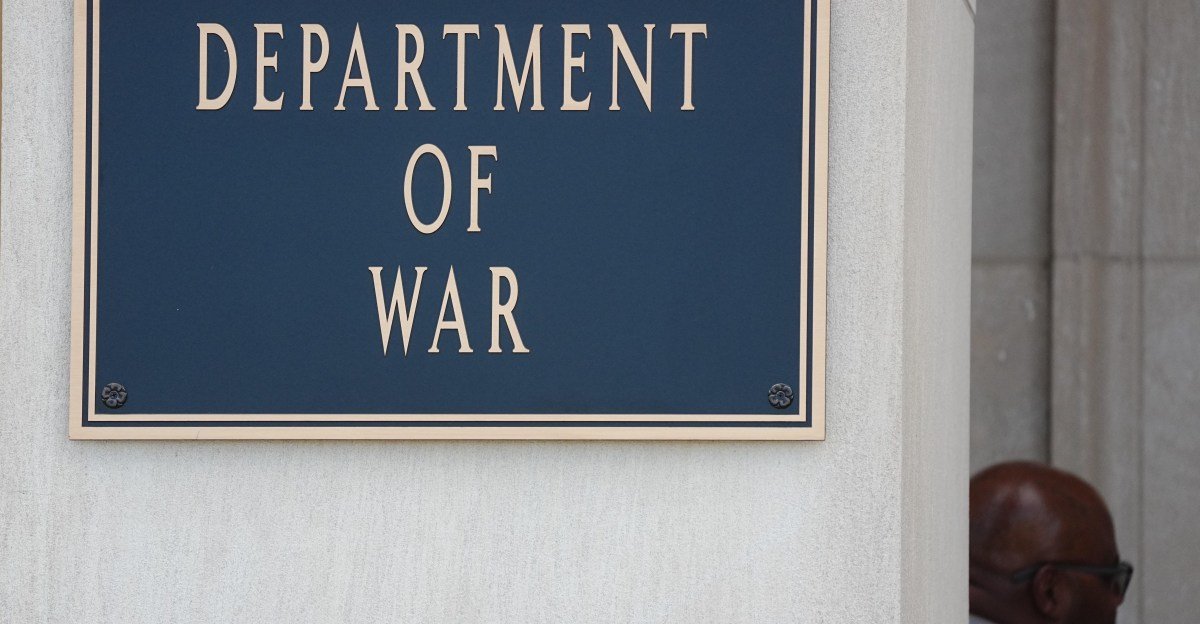

In a chilling and unprecedented request, major streaming and social media platforms including YouTube, Meta (Facebook, Instagram), Twitch, and X (formerly Twitter) are facing a profound ethical and policy dilemma: whether to permit the US government to live stream an execution. As the scheduled execution of Nidal Hasan approaches, these tech giants have remained notably silent on how they would address such a grim broadcast, leaving a void of uncertainty in the landscape of content moderation.
A Standoff in the Digital Arena
The controversy erupted following reports which revealed that an unnamed Pentagon official indicated the execution of Nidal Hasan — convicted of a devastating mass shooting at a Texas military base in 2009 — is slated for a live broadcast. This revelation immediately thrust the onus onto the platforms, challenging the very core of their community guidelines and their commitment to content safety.
The Silence of the Giants
Despite direct inquiries, YouTube, Meta, Twitch, and X have conspicuously refrained from commenting on whether they would host such a livestream. This collective silence is particularly striking given the explicit nature of their existing content policies, which generally prohibit graphic violence and content depicting death.
- Meta, Twitch, and X: Their community guidelines explicitly ban violent content involving death.
- YouTube: Prohibits content that “encourages dangerous or illegal activities that risk serious physical harm or death,” and specifically bans livestreams featuring firearms.
The question looms: would these platforms make an exception for a government-sanctioned event, or would they uphold their stated principles against such disturbing content?
Clear Stances from Other Platforms
In contrast to the silence, two prominent platforms have unequivocally stated their position:
- TikTok: A spokesperson for TikTok’s US operations confirmed that a livestream of an execution would violate their policies against “shocking and graphic content,” specifically banning “the moment of someone’s death.”
- Kick: Known for its generally more lenient approach to content moderation, Kick’s spokesperson firmly stated, “If this was livestreamed on KICK, it would breach our Community Guidelines.”
Rumble, an online video platform often associated with far-right influencers, also did not respond to requests for comment, aligning with the silence of the larger players.
The Case of Nidal Hasan
The catalyst for this debate is the impending execution of Nidal Hasan, scheduled for December 3rd at 2 PM ET, by firing squad. Hasan’s conviction stems from the tragic 2009 Fort Hood shooting, which resulted in the deaths of 13 people and injuries to over 30 others. The decision to potentially livestream this event raises profound questions about public access, the nature of punishment, and the role of digital platforms in disseminating such sensitive and potentially traumatizing content.
Ethical Crossroads and Future Implications
This situation forces a critical examination of where the lines are drawn in content moderation, especially when state actions intersect with private platform policies. While the US government’s right to carry out executions is a legal matter, the decision of tech companies to broadcast them is an ethical one, with far-reaching implications for their users, their brand image, and the broader societal discourse on capital punishment. The lack of a clear stance from some of the world’s most influential digital gatekeepers leaves a troubling precedent, suggesting a potential future where the most extreme forms of state action could find a broadcast home online.
For more details, visit our website.
Source: Link





Leave a comment