





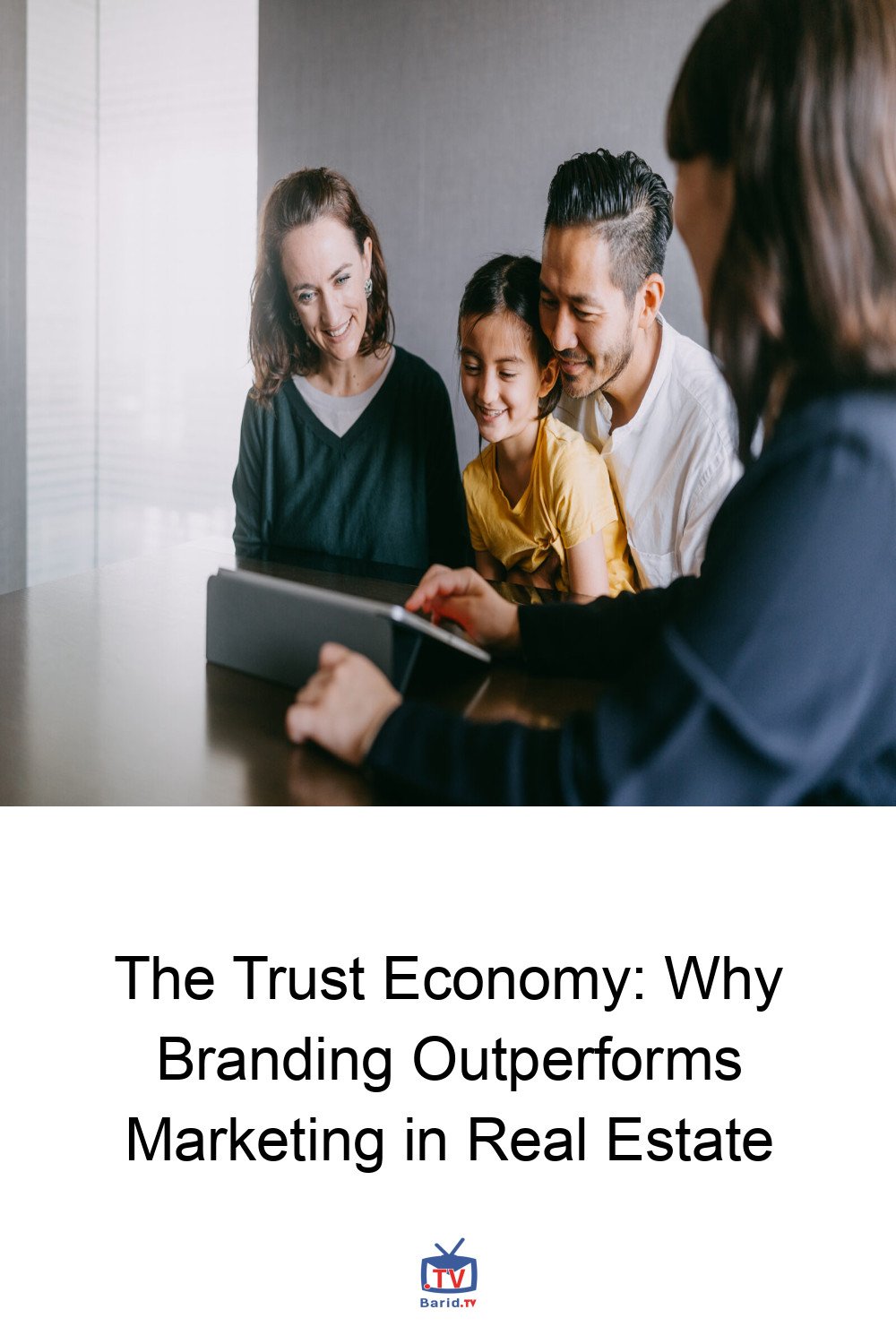
In the fiercely competitive world of real estate, a long-held marketing axiom is quietly crumbling. For years, success was synonymous with visibility: the agent who could cast the widest net, appear in the most searches, and run the most ads was destined to win. This philosophy, built around sheer reach and lead generation, is increasingly outdated. Today’s consumers aren’t starved for options; they’re drowning in them. The true differentiator is no longer who can be found, but who can be believed.
The Shifting Sands of Discovery: From Scarcity to Saturation
Fifteen years ago, getting noticed in real estate was a genuine challenge, requiring significant investment and strategic effort. This era birthed an industry obsessed with lead generation, impression counts, and maximizing reach. However, the landscape has fundamentally changed. The digital age has solved the discovery problem. A prospective buyer or seller can effortlessly unearth dozens of qualified agents through a myriad of channels: search engines, social media, referrals, AI tools, and dedicated platforms like Zillow. Finding an agent is now table stakes, not a competitive advantage.
Lead generation, once a formidable barrier to entry, has become commoditized. Virtually every brokerage has access to the same sophisticated digital tools, advertising platforms, and syndication networks. Those still fixated on optimizing for maximum visibility are, in essence, solving a problem that has largely solved itself. The real challenge, and the area most of the industry critically underinvests in, lies in what happens after a consumer finds you.
Beyond the Click: The Post-Discovery Dilemma
Imagine a consumer who has identified three or four seemingly qualified agents. They spend a few minutes researching each – scanning reviews, scrolling through content, perhaps even consulting an AI for recommendations. At the end of this brief, silent vetting process, one agent emerges as the “obvious choice,” while the others remain mere “options.” What propelled that one agent into a position of undeniable preference? This is the pivotal question.
The Unseen Product: Why Consumers Buy Confidence, Not Information
Most traditional marketing strategies miss a crucial point about high-stakes decisions: people aren’t seeking more information. They are already overwhelmed by it. What they truly crave is a compelling reason to alleviate their uncertainty. In real estate, the ultimate product isn’t MLS access, showing schedules, or transaction coordination. It’s confidence.
When a buyer or seller chooses an agent, they are purchasing the profound reassurance that this complex, financially monumental, and emotionally charged process is in trustworthy hands. When this confidence is established, the subsequent conversations flow effortlessly. Without it, no barrage of follow-up calls or drip emails can conjure it into existence.
Trust: The Ultimate Risk Reducer
Functionally, trust acts as a powerful risk reducer in the consumer’s mind. When trust is present, the client ceases to dwell on worst-case scenarios, second-guess decisions, or hedge their bets. They commit. Brokerages that recognize trust as an invaluable business asset, rather than a mere ‘soft skill,’ are strategically positioning themselves for a competitive advantage far beyond those still chasing fleeting clicks and impressions.
The Sales Process Begins Long Before the First Call
This understanding necessitates a fundamental shift in strategy. Every public signal emanating from a brokerage or agent contributes to building or eroding trust long before any direct conversation takes place. This includes the authenticity and volume of reviews, media mentions, the depth and quality of published market insights, credible quotes in industry publications, and educational content that truly demonstrates nuanced local market understanding, not just a proficiency with design tools.
Consumers today are sophisticated researchers. They arrive at the first conversation having often completed the bulk of their due diligence. The initial interaction is frequently closer to the culmination of the sales process than its inception. An agent who enters this conversation with a robust trail of credible, third-party endorsements and a strong digital reputation starts from an inherently superior position compared to one relying solely on a polished headshot and listing statistics.
Many brokerages remain fixated on generating an ever-increasing volume of leads, yet few critically examine why they lose the leads they already possess. A significant proportion of these losses occur pre-meeting, during that silent research phase, when a consumer is quietly determining if a particular brokerage feels like the ‘obvious choice’ or just ‘another option.’ No amount of lead generation investment can rectify this upstream problem.
From Marketer to Reputation Architect: A Strategic Imperative
The mental model shift required is profound: stop thinking like a traditional marketer and start thinking like a reputation architect. In an age where discovery is solved, the ultimate competitive edge belongs to those who meticulously cultivate belief and trust. This means prioritizing authentic branding, consistent value delivery, and a digital footprint that speaks volumes about expertise and reliability, long before a handshake or a phone call.
For more details, visit our website.
Source: Link







Leave a comment