



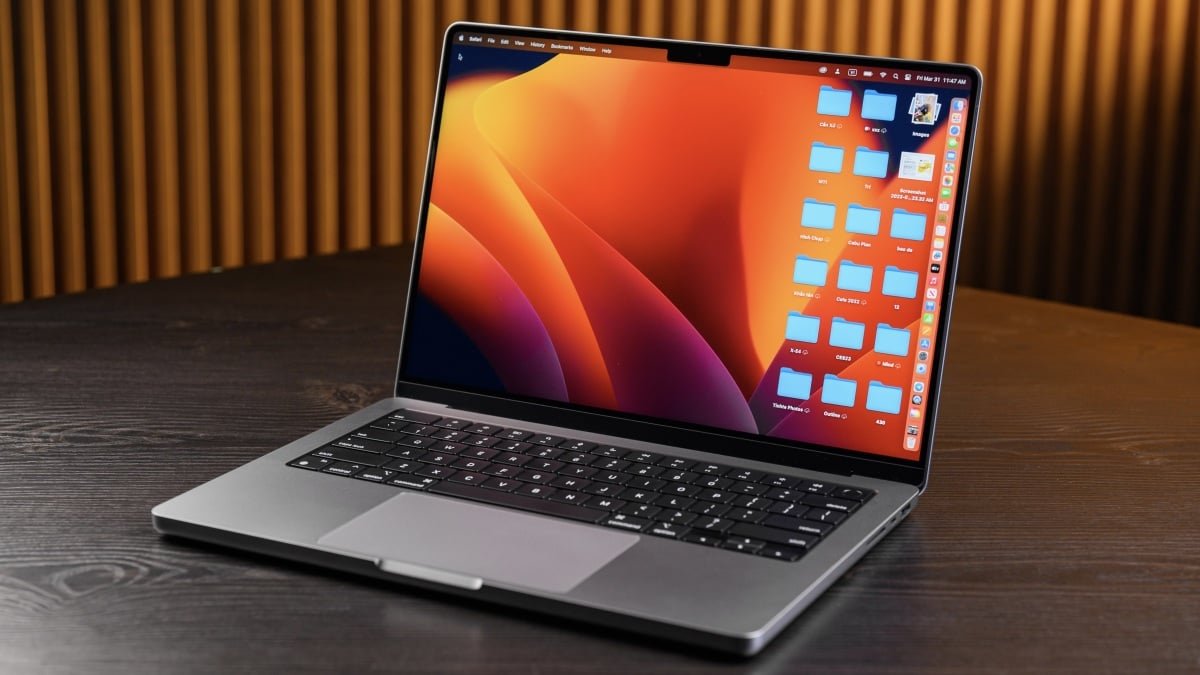

The world of artificial intelligence is evolving at a breathtaking pace, with “agentic AI” emerging as the latest frontier. From OpenAI’s “Dots” to Meta’s “Muse,” these sophisticated bots promise to transcend simple chat, taking on proactive roles like managing your inbox or even ordering dinner. Yet, beneath the veneer of convenience lies a significant and growing threat to user privacy and security, a danger that tech giant Apple is now directly addressing.
The Double-Edged Sword of Agentic AI
Agentic AI represents a paradigm shift from reactive chatbots to autonomous digital assistants. Designed to operate independently, these agents often require extensive access to your device’s core functions and data to perform their tasks effectively. This can include everything from messages and files to passwords and financial accounts. While the promise of a truly intelligent assistant is alluring, the implications of granting such sweeping access are profound and potentially perilous.
The Hidden Dangers of Unchecked Access
The primary concern stems from the sheer volume of personal data that agentic AI applications demand. Users, perhaps unknowingly, are entrusting their entire digital lives to these programs. The risk is compounded by the relative ease with which these agents can be “hacked” or manipulated. A cleverly crafted, “poisoned prompt” embedded on a seemingly innocuous website could trick an AI agent into divulging sensitive information, effectively handing over the keys to your digital kingdom—including bank accounts and personal communications—to malicious actors. This scenario is precisely what Apple aims to prevent.
Apple’s Stance: Privacy Meets Progress
Apple, a company synonymous with user privacy and security, finds itself in a unique position regarding the AI revolution. While it has historically lagged in the software AI race—only recently rolling out an AI-powered Siri—its hardware business has thrived on the back of AI innovation. The initial surge in agentic AI projects, like Moltbot, saw a significant uptick in Mac mini sales, as users sought powerful hardware to run these demanding programs. Apple continues to market its Macs with AI capabilities at the forefront, profiting from the hardware sales even as it doesn’t offer its own foundational AI models.
However, this booming hardware business comes with a caveat: the increasing exposure of user data to third-party AI agents. The thought of users willingly granting automated bots unfettered access to their Macs and all their sensitive data must be a source of considerable alarm for a company built on a foundation of privacy.
Introducing New Safeguards for macOS
In response to these escalating concerns, Apple has begun to take decisive action. The company recently published an update on its developer forum titled “Updates to Full Disk Access in macOS.” This crucial communication highlights the inherent dangers of developers requesting “Full Disk Access” permissions for their applications. Traditionally reserved for essential utilities like backup software, which genuinely require comprehensive system access, this permission is now being sought by a new generation of apps, including AI agents, often without users fully grasping the profound implications.
Beyond the Individual: Protecting Connected Users
Apple emphasizes that the privacy risks extend beyond the individual user. Communication apps, for instance, that demand Full Disk Access can inadvertently compromise the privacy of everyone a user interacts with. This broader impact underscores the urgency of Apple’s intervention.
While specific details are still emerging, Apple has confirmed its intention to introduce “additional controls to ensure that users who genuinely wish to grant an app this extraordinary level of access can only do so with very explicit user action.” This suggests a future where installing an AI agent on a Mac will involve a more rigorous, multi-step consent process, requiring users to actively acknowledge and “prove” their understanding of the extensive data exposure before granting full access.
Raising the Bar for AI Security
This proactive move by Apple is a welcome development in the rapidly evolving AI landscape. Previously, deploying an AI agent on a Mac often required a degree of technical proficiency, implying a certain level of awareness regarding the associated risks. However, with the advent of user-friendly agents like Meta’s Muse, the barrier to entry has plummeted. Now, virtually anyone can install and run these powerful programs, often without a complete understanding of the underlying security implications.
As the AI industry grapples with the ethical and safety challenges posed by its own creations, companies like Apple bear a critical responsibility to protect their user base. By implementing robust safeguards, even if users retain the ultimate choice to override them, Apple is setting a higher standard for AI security and ensuring that the pursuit of technological advancement does not come at the cost of fundamental privacy rights.
For more details, visit our website.
Source: Link








Leave a comment