





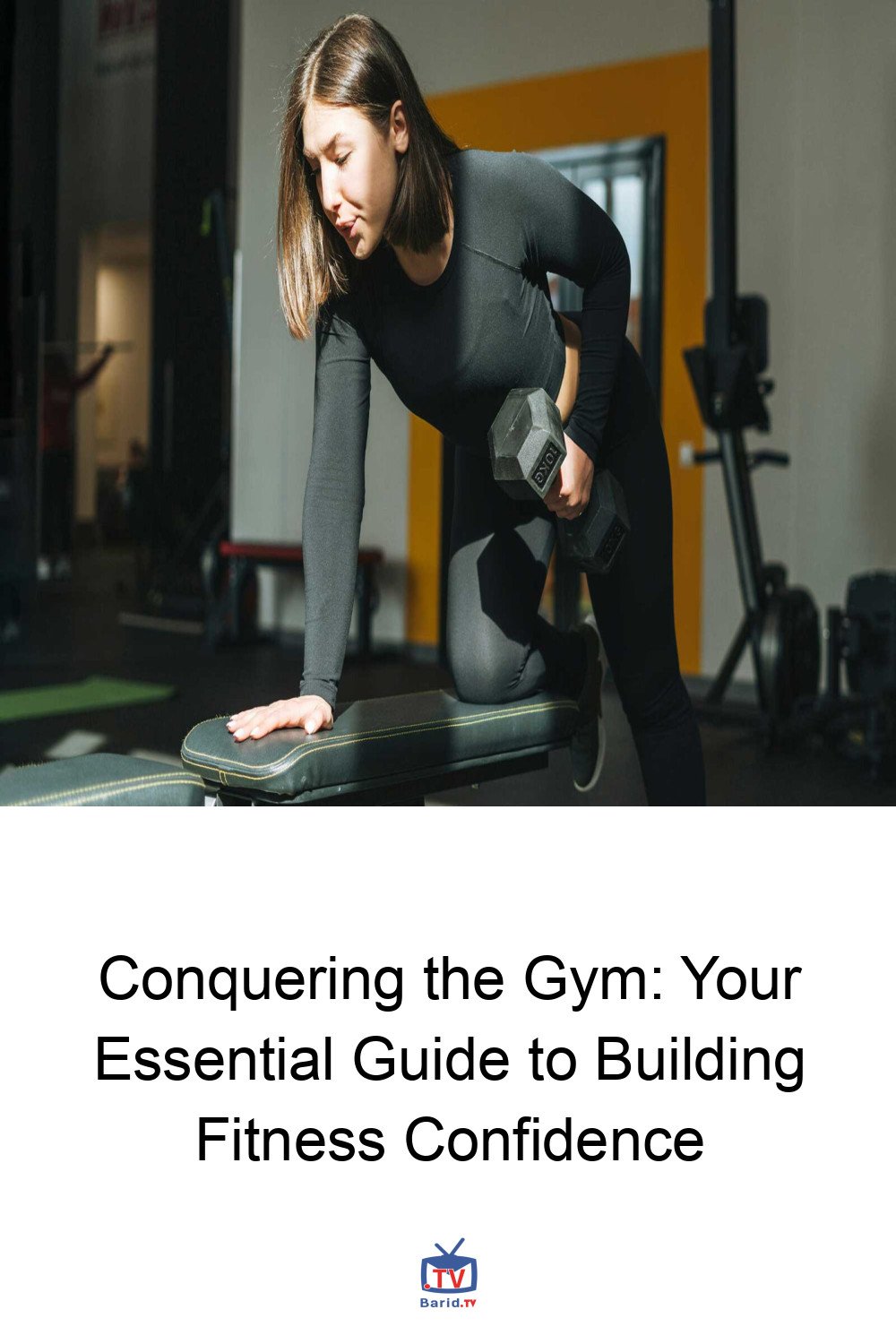
Conquering the Gym: Your Essential Guide to Building Fitness Confidence
Stepping into a gym for the first time can feel like venturing into an alien landscape. The clanking of weights, the whirring of machines, and the focused intensity of seasoned regulars can be incredibly intimidating. You might find yourself wondering where to even begin, what half the equipment does, or if your every move is under silent scrutiny. Rest assured, this feeling is universal. Every fitness journey starts with that first, often hesitant, step.
The truth is, no one is born with innate gym confidence or perfect form. These are qualities meticulously built, repetition by repetition, workout by workout. The good news? You don’t need a complex regimen or years of experience to embark on this journey. A few fundamental principles can transform your initial months at the gym from daunting to empowering, setting you on a path to sustainable progress and unwavering self-assurance.
The Blueprint for Progress: Why Structure is Your Best Friend
Beyond Random Workouts: The Power of a Plan
One of the most common pitfalls for beginners is approaching the gym without a clear strategy. This often leads to aimless wandering, mimicking others, or spending precious time deliberating your next move. While it might feel like you’re doing something, this unstructured approach rarely yields significant results.
Extensive research consistently highlights that individuals who adhere to structured exercise routines are far more likely to maintain their training long-term. A well-defined plan eliminates decision fatigue, providing a clear roadmap for each session. Instead of questioning your next step, you simply execute.
Progressive Overload: Your Path to Growth
Structure is also crucial for physiological adaptation. Strength and muscle development thrive on the principle of progressive overload – consistently challenging your body to do slightly more than it did previously. This could involve incrementally increasing weight, performing an extra repetition, or refining your technique. Without a consistent framework, tracking and implementing this vital progression becomes nearly impossible.
For those just starting, a structured routine doesn’t need to be overly complicated. A foundational program focusing on a few key movements, performed two to four times per week, is more than sufficient to ignite noticeable results and build a solid base. (For expert advice on refining your routine, consider our related read on rethinking strength training.)
The Non-Negotiable Start: Warming Up Right
It’s incredibly tempting to bypass the warm-up, especially when time is tight. However, dedicating just five to ten minutes at the start of your session can dramatically impact your performance and safety. A proper warm-up serves three critical functions:
- It elevates your body temperature, enhancing muscle elasticity and readiness.
- It activates key muscle groups that will be engaged during your workout.
- It prepares your joints and connective tissues for the demands of heavier loads.
This translates directly into improved performance, reduced risk of injury, and a more effective workout overall.
Simple Steps for an Effective Warm-Up
Fortunately, warming up doesn’t require an elaborate sequence. A straightforward routine is highly effective for most individuals:
- 3–5 minutes of light cardio: Think brisk walking, cycling, or rowing to gently raise your heart rate.
- Dynamic movements: Incorporate exercises like bodyweight squats, arm circles, leg swings, or torso twists to improve mobility.
- One or two lighter sets of your first exercise: This ‘specific warm-up’ primes the exact muscles and movement patterns you’re about to use.
By the time your main workout begins, your body will be fully primed and ready to perform.
Mastering the Movement Matrix: Basic Patterns for Lasting Strength
At the gym, you might observe individuals executing intricate, multi-joint movements – perhaps a deadlift flowing into a squat and then an overhead press. While impressive, resist the urge to jump into such advanced training immediately. When you’re a beginner, the most effective approach is to master fundamental movement patterns, building a robust foundation before attempting more complex exercises.
These foundational patterns are the building blocks of all strength training. Virtually every exercise falls into one of four core categories:
- Push: Movements where you press weight away from your body (e.g., push-ups, chest press, shoulder press).
- Pull: Movements where you draw weight towards your body (e.g., rows, lat pulldowns).
- Squat: Bending at both the hips and knees to lower your body (e.g., bodyweight squats, goblet squats, leg press).
- Hinge: Bending primarily at the hips while maintaining a stable, neutral spine (e.g., deadlifts, hip thrusts).
By consistently training these patterns, you’re not merely isolating individual muscles; you’re developing coordinated strength across your entire body. This is precisely why many effective beginner programs prioritize a small set of compound movements over a lengthy list of isolated exercises or complex maneuvers. Master these core patterns first, and every subsequent exercise will become significantly more accessible and effective. (For more structured workout ideas, check out Katie Austin’s weekly workout schedule.)
Navigating the Gym Floor: Machines as Your Ally
If the free-weight area feels overwhelming, remember that machines are an excellent starting point. They offer guided ranges of motion, are typically straightforward to set up and adjust, and allow you to concentrate on engaging the correct muscles without the added challenge of balance and stabilization. For beginners, this focused approach can be invaluable in developing muscle-mind connection and initial strength.
Embrace the journey, celebrate small victories, and remember that every confident gym-goer was once exactly where you are now. With structure, proper preparation, and a focus on fundamentals, you’ll not only build a stronger body but also an unshakeable confidence that extends far beyond the gym walls.
For more details, visit our website.
Source: Link








Leave a comment