



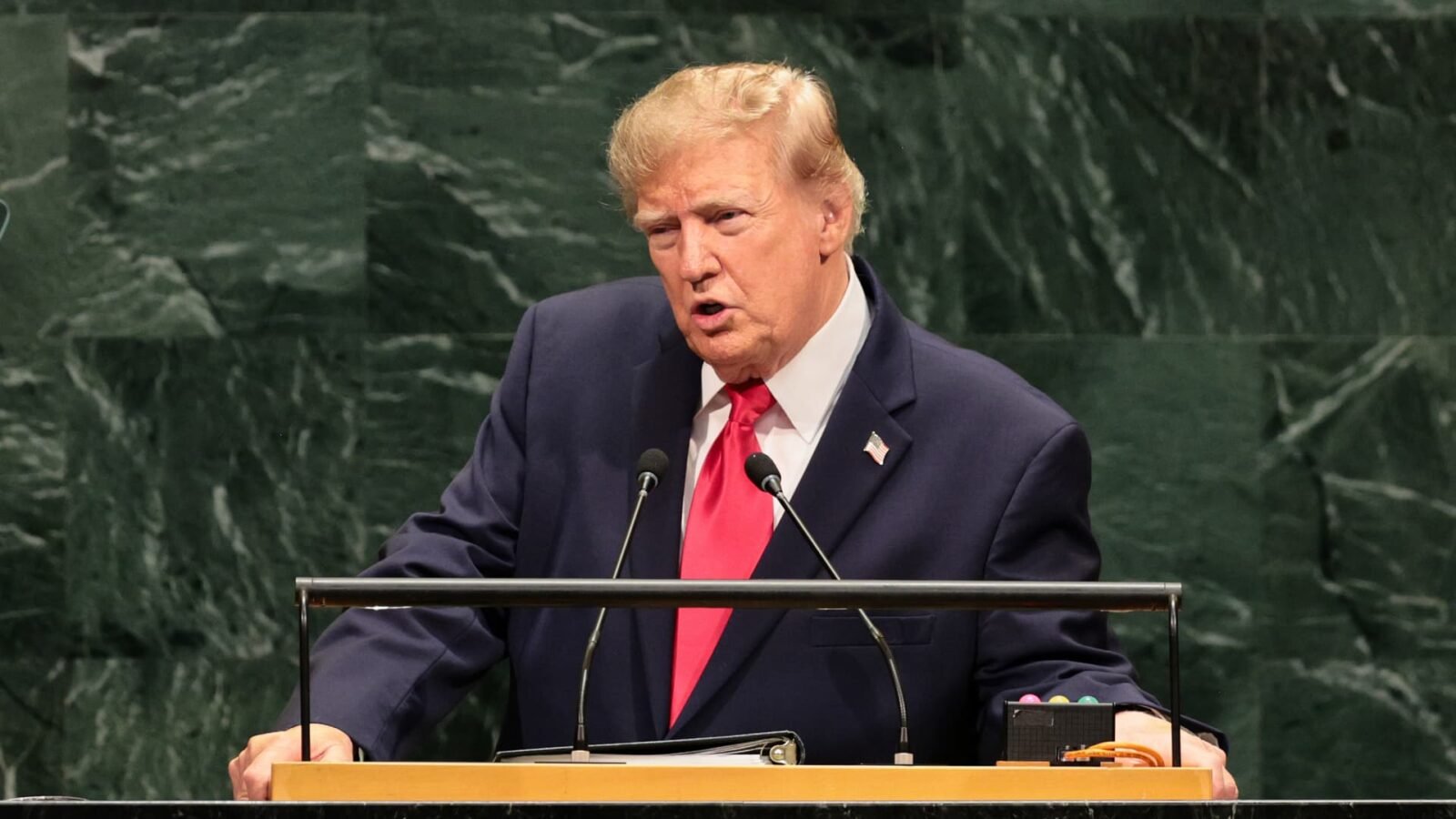

The delicate diplomatic dance between the United States and Iran has once again faltered, with President Donald Trump reportedly dismissing Tehran’s conditional ceasefire proposal. This rejection, coupled with private remarks suggesting a likely resumption of U.S. bombing after the upcoming midterm elections, signals a deepening of the protracted standoff and casts a long shadow over stability in the strategically vital Middle East.
A Proposal Dismissed: Trump’s Stance
The Wall Street Journal, citing unnamed U.S. officials, first reported President Trump’s firm rejection of Iran’s overture. Later, in a direct exchange with reporters, Trump himself confirmed, “They made a proposal but I rejected it.” This definitive stance underscores a persistent skepticism within the White House regarding Iran’s willingness to meet U.S. demands, particularly concerning its nuclear ambitions.
Sources close to the administration indicate that despite public pronouncements of a swift end to the conflict, President Trump privately anticipates a renewed bombing campaign against Iran following November’s midterm elections. This revelation suggests a calculated strategy, potentially aimed at leveraging political timing for military action.
Iran’s Conditions for De-escalation
Iranian Foreign Minister Abbas Araghchi had put forth a proposal on the sidelines of the United Nations General Assembly, offering to reopen the crucial Strait of Hormuz and re-engage in nuclear talks within a week. However, these gestures were contingent upon several demands from Tehran, including an end to what it terms U.S. “acts of aggression,” the lifting of a naval blockade, cessation of economic warfare, and the release of frozen Iranian assets. Iranian foreign ministry spokesman Esmaeil Baghaei reiterated these conditions, highlighting Tehran’s desire for a comprehensive de-escalation.
Regional Flare-Up: Houthi Attacks and Saudi Interceptions
Even as diplomatic efforts stalled, the broader regional conflict continued to simmer. Yemen’s Iran-backed Houthi rebels have intensified their assaults on Saudi Arabia, a key U.S. ally. The Saudi-led coalition reported successfully intercepting two Houthi drones targeting the capital, Riyadh, and two ballistic missiles aimed at the Khamis Mushait region.
These incidents follow recent claims by the Houthis of striking “sensitive” sites in Riyadh, and a prior Saudi assertion of intercepting a Houthi drone en route to the holy city of Mecca – a claim denied by the rebel group. The persistent drone and missile attacks underscore the volatile nature of the proxy conflicts intertwining with the direct U.S.-Iran tensions.
Global Economic Ripples: Oil Market Volatility
The ongoing geopolitical uncertainty in the Middle East has inevitably sent shockwaves through global energy markets. Restrictions on energy shipments from the region have historically driven oil prices upward, fueling concerns about inflation worldwide.
However, the past week saw a curious dip in crude prices, coinciding with the U.S. and Iranian discussions at the U.N. General Assembly. West Texas Intermediate (WTI) closed down 2.3% at $92.41 per barrel, while Brent crude fell 2.1% to $104.32. Despite this short-term fluctuation, both benchmarks remain significantly higher year-to-date, with WTI up nearly 61% and Brent over 71%, reflecting the underlying instability and supply concerns that continue to dominate the market.
The latest developments paint a grim picture for immediate de-escalation between the U.S. and Iran. With President Trump’s explicit rejection of a conditional ceasefire and the continued regional skirmishes, the path forward appears fraught with challenges, leaving the international community to brace for potential further escalation.
For more details, visit our website.
Source: Link








Leave a comment