



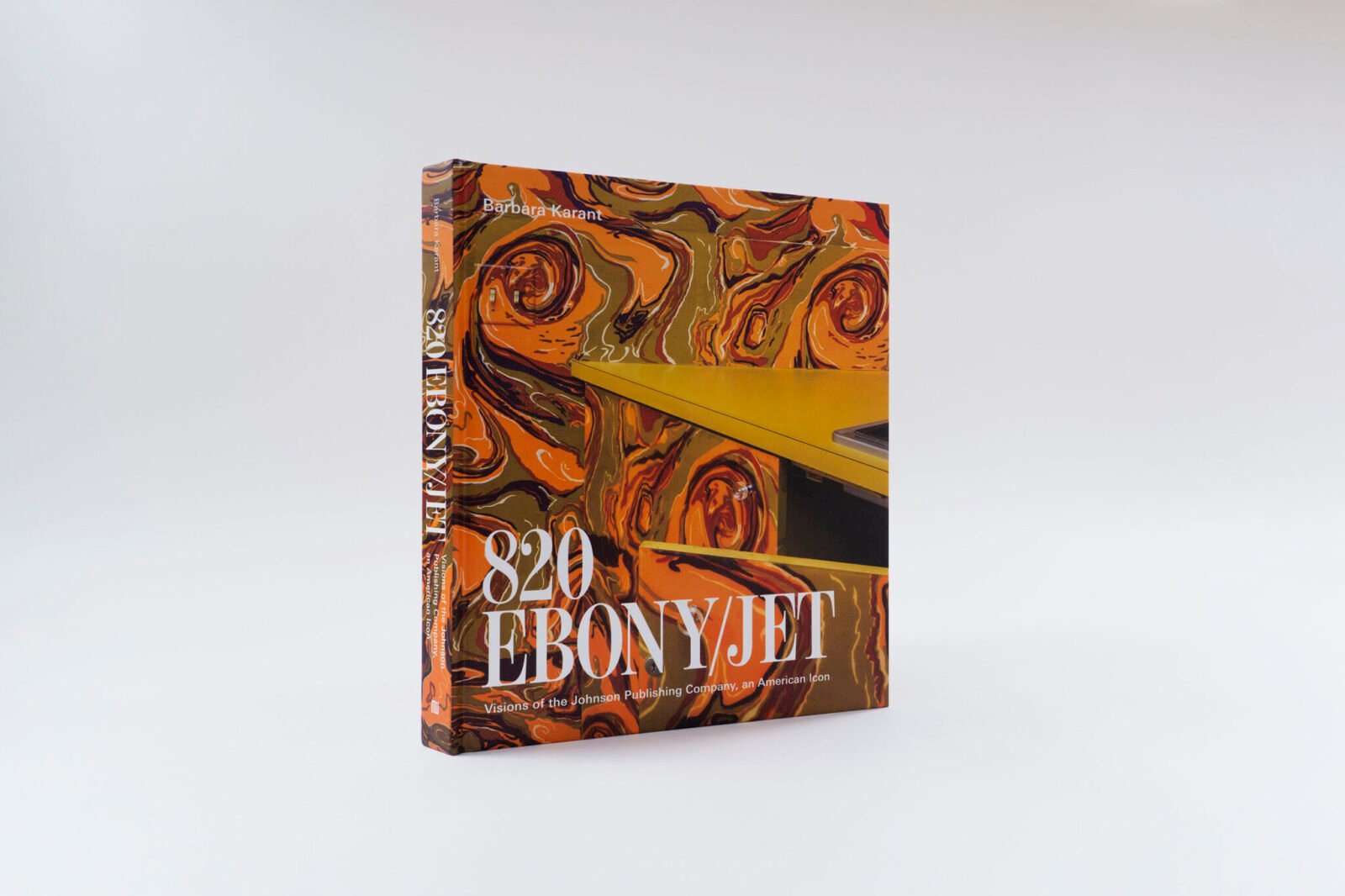

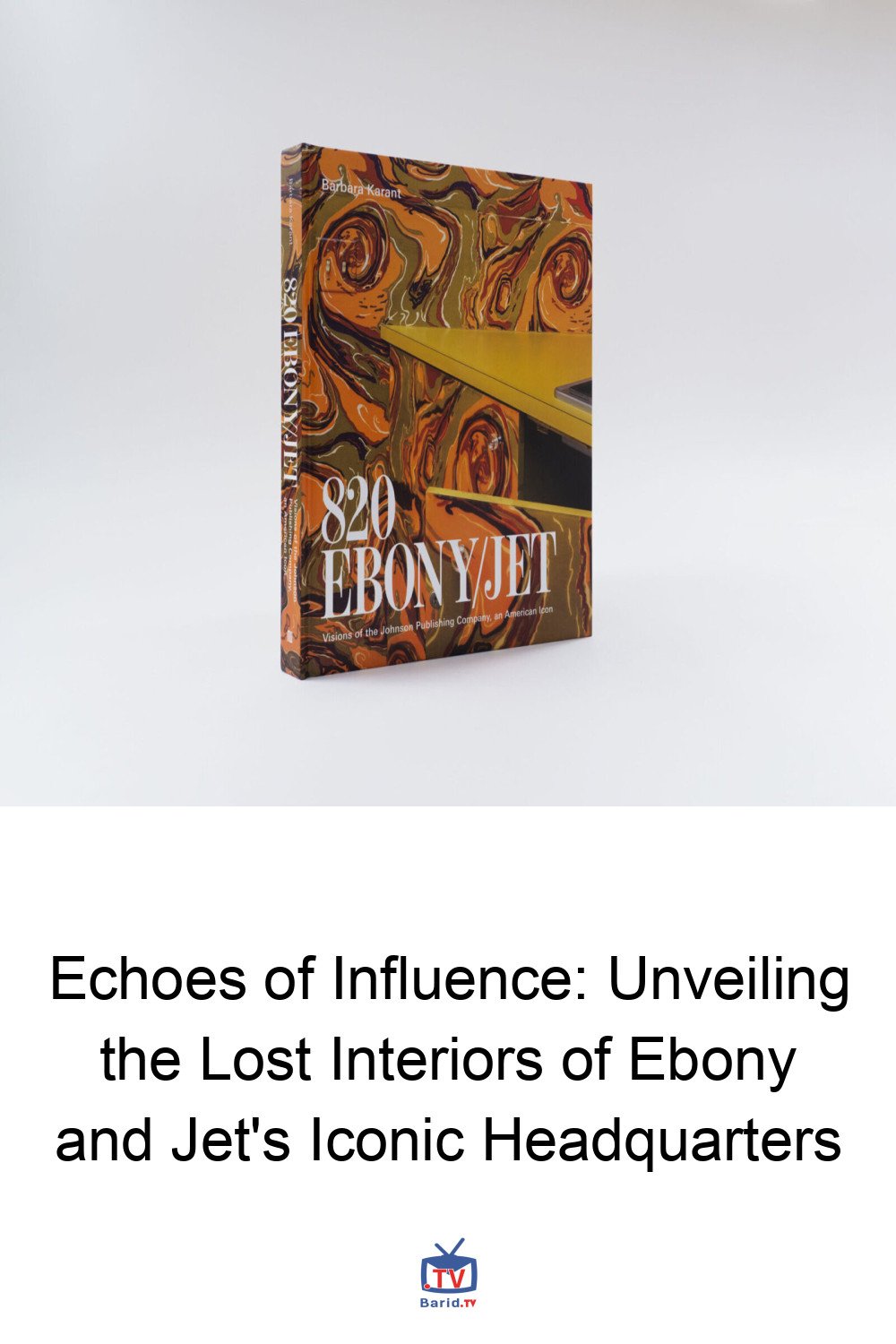
For decades, the names Ebony and Jet resonated as powerful voices, chronicling and celebrating Black American life and culture with unparalleled influence. At the heart of this media empire was the Johnson Publishing Company, a pioneering Black-owned corporation whose Chicago headquarters at 820 South Michigan Avenue stood as a physical testament to its cultural might. Completed in 1972, this architectural marvel, now abandoned, has found a new lease on life through the lens of photographer Barbara Karant, whose captivating images are now compiled in the stunning new monograph, 820 Ebony/Jet: Visions of the Johnson Publishing Company, an American Icon from MW Editions.
A Symbol of Black Entrepreneurial Spirit
The significance of the Johnson Publishing headquarters extended far beyond its aesthetic appeal. Publisher John H. Johnson faced considerable hurdles, including resistance from real estate agents and bankers hesitant to finance a Black-owned enterprise. Undeterred, Johnson commissioned John Moutoussamy, who would become the first Black architect to design a downtown Chicago high-rise. Johnson envisioned a structure embodying permanence and character, a departure from the ubiquitous glass-and-steel towers of the era. Moutoussamy delivered, crafting a stately exterior clad in elegant travertine marble, a subtle yet powerful statement of enduring legacy.
Kaleidoscopic Interiors: A Reflection of Cultural Ambition
While the exterior exuded a dignified restraint, the interiors exploded with vibrant expression. Palm Springs design duo Arthur Elrod and William Raiser masterfully transformed each of the building’s 11 floors, assigning a unique palette of colors and patterns. These weren’t merely corporate offices; they were a vivid manifestation of Johnson Publishing Company’s cultural aspirations. Imagine the cafeteria, a riot of orange, purple, and gold chevrons, or co-founder Eunice Johnson’s sophisticated cream-and-honey office, adorned with selections from the couple’s personal art collection. Geometric wallpapers, reflective mirrored surfaces, plush, boldly patterned carpets, and richly textured finishes adorned every space, creating an environment as dynamic and forward-thinking as the publications themselves.
Capturing the Echoes: Barbara Karant’s Lens
Remarkably, much of this distinctive design remained untouched until the Johnson Publishing Company vacated the building in 2012. The following year, photographer Barbara Karant embarked on a poignant journey to document the empty headquarters, a project she continued until 2018. With the furnishings removed, Karant’s focus sharpened on the intrinsic details: the geometric wallpapers, the mirrored dressing rooms, and the mesmerizing, swirling laminate cabinetry of the Test Kitchen, whose psychedelic patterns evoke the beauty of Italian marbled paper. Her compositions ingeniously utilize mirrors to double and multiply motifs, while the executive floor’s expansive picture windows frame breathtaking views of Lake Michigan and Grant Park, integrating the city’s grandeur into the building’s narrative.
The Power of Absence
The very emptiness of the building imbues Karant’s photographs with a profound power. Stripped of the bustling activity, the people, and the stacks of magazines that once animated these spaces, the rooms transform into compelling studies of color, pattern, and material. Yet, they are also invaluable records of a workplace and a cultural institution that, in this physical form, no longer exists. The monograph enriches this visual archive with historical documentary images of the original interiors, glimpses into Ebony’s in-house photo studio, and a view of Richard Hunt’s striking site-specific lobby sculpture, Expansive Construction (1972). Firsthand accounts from former employees add a human dimension, offering intimate recollections of life within these iconic walls. The book further explores the building’s lasting impact on contemporary artists such as Theaster Gates, Hank Willis Thomas, Kwame Brathwaite, Lorna Simpson, Martine Syms, and David Hartt, solidifying its place in artistic discourse.
A Gateway to a Lost Era
Spanning 240 pages, 820 Ebony/Jet is a meticulously curated collection featuring 142 color and eight black-and-white images. It includes a foreword by artist Deborah Willis and insightful essays by Aaron Bryant, Cheryl Finley, Carla Williams, Jon Ott, Brenna Wynn Greer, and E. James West. More than just a photo book, it is a vital preservation of a remarkable chapter in American design history and a tribute to the physical environment that nurtured two publications instrumental in shaping how Black American life was perceived, documented, and celebrated. Published by MW Editions, 820 Ebony/Jet: Visions of the Johnson Publishing Company, an American Icon, is available October 13th for $65.
For more details, visit our website.
Source: Link







Leave a comment