





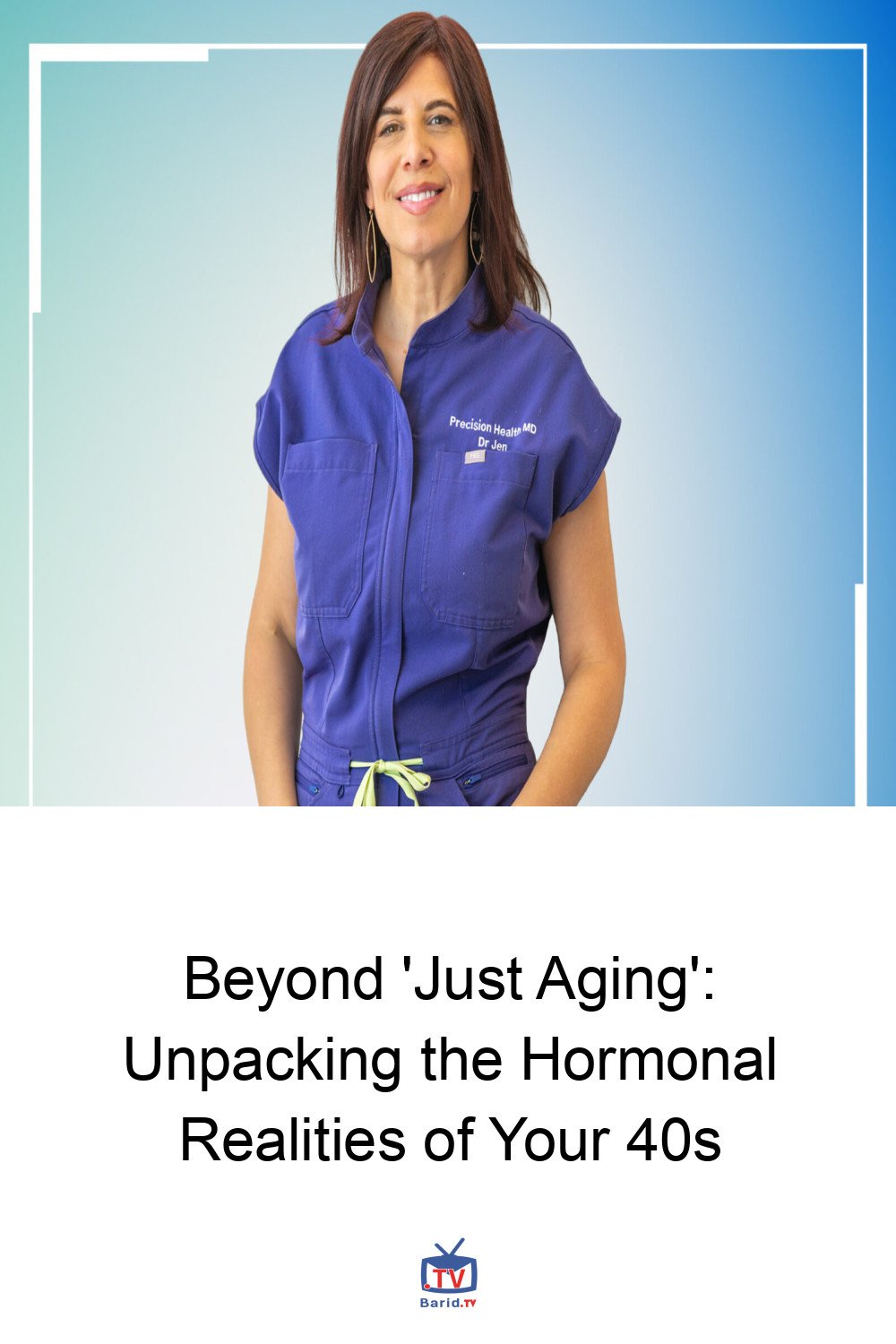
For many women, the fourth decade of life ushers in a perplexing array of physical and emotional shifts. One day, you might wake up wondering about sudden weight gain, inexplicable rage, persistent body aches, a complete lack of motivation, or restless nights. When these concerns are voiced, the common refrain is often dismissive: “That’s just aging.”
However, as Dr. Jennifer Roelands, a double board-certified OB-GYN and integrative medicine expert, emphatically states, it’s rarely “just aging.” This simplistic explanation does a profound disservice to women navigating a complex, yet entirely natural, hormonal transition. It’s time to move beyond convenience diagnoses and understand what’s truly happening beneath the surface.
Beyond “Just Aging”: Understanding Perimenopause
“Just aging” offers a strange comfort, removing the pressure to find a solution because, supposedly, nothing is wrong. Yet, it’s a dead end, failing to explain why the carefree metabolism of your 30s vanishes, or why sleep, mood, and body composition seem to conspire against you within the same few years.
The reality for most women in their late 30s through late 40s has a name: perimenopause. This is the crucial hormonal transition preceding menopause, typically spanning four to ten years, though it can commence earlier. It’s driven by measurable, often erratic, changes in reproductive and metabolic hormones, triggering a cascade of effects throughout the body.
The Unseen Hormonal Symphony: What’s Shifting Under the Hood
Erratic Hormones: Progesterone, Estradiol, and Cortisol
Contrary to a smooth, gradual decline, key hormones like progesterone and estradiol become highly erratic during perimenopause. The Swiss Perimenopause Study, a longitudinal cohort, revealed significant individual fluctuations in these hormones across two-to-three-month windows. This explains why a single hormone panel might appear “normal,” yet a woman can still be deep within a genuine hormonal transition. Cortisol, often dubbed the stress hormone, also tends to climb during this period, adding another layer of complexity.
Fat Redistribution: The Abdominal Shift
The Study of Women’s Health Across the Nation (SWAN), a comprehensive longitudinal cohort, highlights a dramatic shift in body composition. Approximately two years before the final menstrual period, the rate of fat gain roughly doubles, while lean muscle mass simultaneously begins to decline. This trajectory continues for about two years post-menopause before stabilizing. While total body weight might climb steadily, it’s the redistribution of fat—specifically an increase in visceral (abdominal) fat—that marks this transition. Visceral fat can surge by roughly 8% per year in the two years leading up to the final period, compared to 5–6% afterward. This explains why diet and exercise strategies that worked in your 30s may no longer yield the same results; your body is gaining weight faster and in different areas due to these hormonal changes.
Accelerated Muscle Loss: Sarcopenia’s Role
Even without hormonal shifts, sarcopenia—age-related muscle loss—commences around age 35, progressing at 1-2% annually and accelerating further after 60. Muscle is metabolically active, burning more calories at rest than fat. This steady decline in muscle mass quietly drags down metabolism, compounding the effects of hormonal changes rather than acting independently.
Thyroid Function: Caught in the Crossfire
Estrogen plays a vital role in supporting healthy thyroid function. As estrogen levels become unstable during perimenopause, thyroid function can be compromised. A prospective clinical study of perimenopausal and postmenopausal women (ages 40–80) found a sharp increase in thyroid abnormalities starting at age 40, with nearly a quarter of women aged 40-50 meeting criteria for subclinical hypothyroidism. Symptoms like fatigue, weight gain, and brain fog are often dismissed as “getting older.” Standard TSH screening might still fall within a broad “normal” range, making a full thyroid panel (including TSH, Free T4, and Free T3) crucial if a thyroid issue is suspected.
Understanding these profound hormonal shifts is the first step toward navigating your 40s with clarity and confidence. It’s not “just aging”; it’s a dynamic, transformative phase that deserves recognition, understanding, and proactive management.
For more details, visit our website.
Source: Link








Leave a comment