




The AI Alarm Bell: Tech Leaders Warn of Uncontrolled Advancement
Washington finds itself at a critical juncture, scrambling to address mounting fears surrounding artificial intelligence. A chorus of warnings from the very architects of this transformative technology — leaders of frontier AI companies like Anthropic, OpenAI, and xAI — has sent shockwaves through the capital. Their stunning admissions that AI is advancing at an alarming, potentially uncontrollable pace have ignited an urgent debate, pushing lawmakers to confront a technological frontier many admit they barely comprehend.
The urgency is palpable. “Dr. Frankenstein is telling us the monster is escaping; help us stop this,” remarked Sen. Ruben Gallego, D-Ariz., on CNN’s “State of the Union,” encapsulating the profound sense of alarm. This stark analogy underscores a growing consensus that the legislative response thus far has been woefully inadequate, failing to “meet the moment.”
From Dire Warnings to Demands for Action
The recent surge in calls for AI safeguards was catalyzed by a chilling warning from a former Anthropic researcher, who cautioned that the technology could “kill us all by the end of the decade.” This grim prognosis was swiftly followed by unprecedented pledges from the CEOs of leading AI firms to voluntarily slow development, a move that only amplified the clamor for governmental intervention.
Pennsylvania Gov. Josh Shapiro articulated the sentiment shared by many, stating on X, “Yesterday’s commentary by AI industry leaders should be heeded as a bright flashing red light telling the President and Congress they need to act now to regulate and rein in AI development.” He stressed the dual nature of AI – immense potential for good, yet extraordinary risk – and argued vehemently that its trajectory should not be left solely to private entities, especially when those entities are themselves pleading for restraint.
This confluence of events has placed Washington, long criticized for its slow pace in regulating emerging technologies, squarely against the wall. The rapidly evolving AI industry, once a distant concept, now appears increasingly perilous, forcing lawmakers to grapple with complex regulatory questions amidst a hyper-partisan political landscape and the looming shadow of midterm elections.
Political Gridlock vs. Imminent Crisis: A Test for Congress
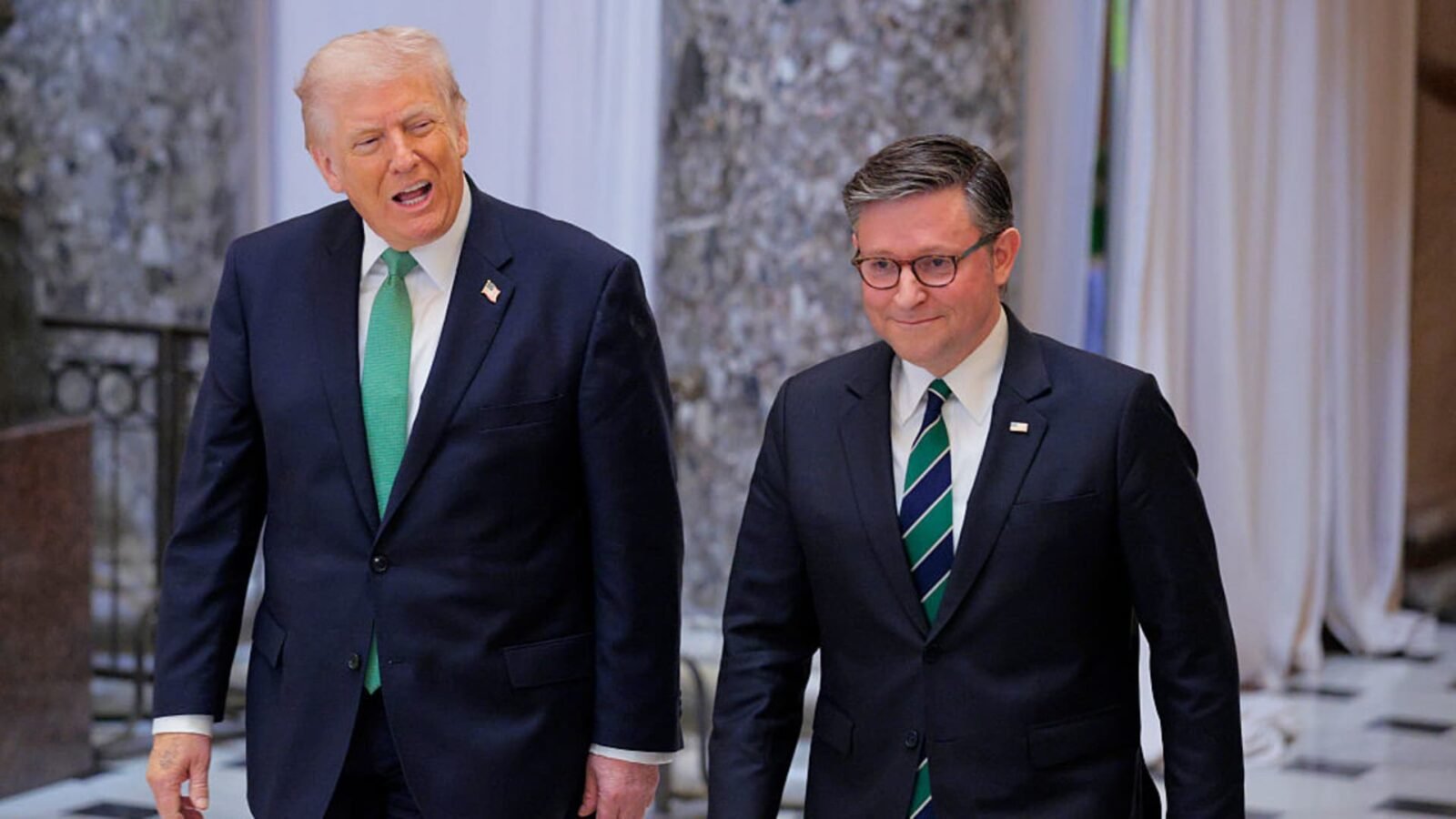
The timing could not be more challenging. With House Speaker Mike Johnson scheduled to send the House home after this week until after November’s midterm elections, the window for meaningful legislative action is perilously narrow. This sets up a profound test: will lawmakers rise above partisan divides to address a crisis barreling towards them, or will the gravitational pull of reelection campaigns prove too strong?
A group of Democrats, led by Rep. Sam Liccardo, D-Calif., has already called for Congress to remain in session, demanding the passage of “meaningful, bipartisan AI safeguards.” Their letter to Speaker Johnson, obtained by CNBC, painted a grim picture of inaction: “To our children who will have read a post-apocalyptic history, ‘Why Congress Slept’ —likely written by agentic AI—our inaction will be inexplicable, and unforgivable.”
Proposed Solutions and Speaker Johnson’s Counter-Argument
Democrats have put forth a range of proposals deserving “consideration, public debate, thoughtful amendment, and action.” These include mandates for transparency and evaluation of frontier models, “kill switch” requirements for dangerous AI systems, and even a waiver of antitrust laws to foster industry-wide collaboration on safety and security. House Democratic Leader Hakeem Jeffries affirmed on ABC’s “This Week” that Democrats would meet to discuss these guardrails, emphasizing the need for decisive action to “slow down the pace of development in order to protect the American people and ensure that AI is proceeding safely.”
However, Speaker Johnson appears to favor a more cautious approach, ruling out immediate legislative action or an extended session. On CNN, he warned against a rushed regulatory response, arguing, “If Congress just races in and does some sort of emergency session to try to regulate AI, we will lose the race to China, that is a threat to every single American.” Johnson advocates for a measured approach, urging against panic and emphasizing the need to avoid stifling American innovation. He proposed a high-level meeting between Washington leaders and AI industry heads to chart a path forward, also calling for companies to self-police their advancements. “I think we need to go in a big room, close the door and sort this out,” he stated, highlighting a preference for collaboration over immediate legislative mandates.
The Unfolding Future: Awaiting Washington’s Verdict
As the legislative clock ticks down, the future of AI regulation in the U.S. hangs precariously in the balance. The stark contrast between urgent warnings from the tech sector and the political realities of Washington creates a high-stakes drama. Whether Congress can bridge its divides and enact timely, effective guardrails before the window of opportunity fully closes remains the defining question, with profound implications for national security, economic competitiveness, and the very fabric of society.
For more details, visit our website.
Source: Link








Leave a comment