
AirPods with Cameras: A Privacy Minefield Apple Should Avoid
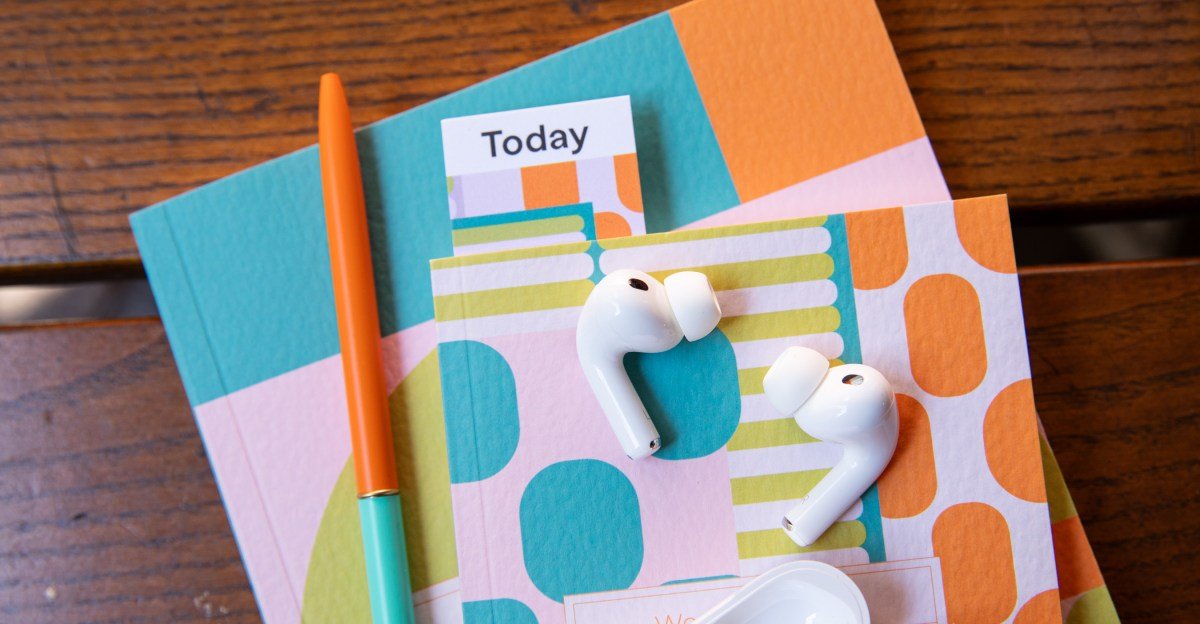
Apple’s recent ‘Surprise and Shine’ event delivered a flurry of exciting announcements, from the groundbreaking iPhone Duo foldable to the democratisation of ANC in the AirPods 5. Yet, amidst the innovation, one notable absence brought a sigh of relief to many: the much-rumoured AirPods Pro with integrated cameras. While whispers from sources like Mark Gurman at Bloomberg suggest a delay until 2027, the prospect of these camera-equipped earbuds raises profound questions about privacy, trust, and the very essence of wearable technology.
The Ubiquitous Eye: A Privacy Predicament
The idea of cameras embedded in everyday devices is not new, but their integration into something as discreet and universally worn as earbuds presents a unique and unsettling challenge. The author, John Higgins, articulates a widespread concern: ‘I have too many concerns about a company — any company — putting cameras anywhere, especially in devices like earbuds that are now so ubiquitous in our daily lives.’ While recording in public spaces is generally legal in many regions, the surreptitious nature of an earbud camera transforms a public act into a potentially creepy intrusion. The past actions of some Meta smart glasses users, who have actively hidden their recording intentions, serve as a stark warning. The potential for individuals to wear these devices into sensitive, private situations, recording unnoticed, is a privacy nightmare waiting to unfold.
Beyond Photography: The ‘Visual Intelligence’ Dilemma
Rumours suggest these AirPods cameras aren’t designed for traditional photo or video capture. Instead, they are purportedly low-resolution sensors intended to feed ‘Visual Intelligence’ to Siri AI, assisting with tasks like turn-by-turn directions or identifying text and objects. While seemingly innocuous, this continuous gathering of information about our surroundings – and the people within them – remains deeply problematic. Even a low-resolution camera, constantly observing, represents an unprecedented level of data collection, pushing the boundaries of what many consider an acceptable invasion of personal space and privacy.
Apple’s Data Safeguards: Enough for Visuals?
Apple has made strides in privacy, as evidenced by the introduction of Audio Intelligence with the Apple Watch. Their support documentation for this feature highlights that audio data isn’t stored, recordings aren’t accessible, and even Siri Recap summaries are anonymised and inaccessible to Apple. This commitment to end-to-end encryption and user privacy is commendable for audio. However, the leap to visual data presents a far more complex challenge. Can the same assurances be genuinely applied to a camera feed, even a low-resolution one? The potential for misuse, even accidental, feels significantly higher when dealing with visual information.
Form, Function, and the Future of Wearables
Beyond the ethical quandaries, practical considerations also plague the concept of camera-equipped AirPods. As the author points out, ‘Functionally, a camera will only gather information if it can see things.’ What happens when a user has long hair, wears a hoodie, or elaborate jewellery? The camera’s utility would be severely hampered, reducing the device to its original purpose: an earbud. This functional limitation might be one reason for the reported delay until 2027, as Apple engineers grapple with design challenges. Alternatively, the delay could signal Apple’s strategic move to distance itself from the current public backlash surrounding wearable cameras, a sentiment amplified by controversies involving Meta and Flock.
The Double-Edged Sword of Innovation: Accessibility vs. Exploitation
It’s crucial to acknowledge the potential upsides. Camera-equipped AirPods could offer significant accessibility benefits. Imagine improved situational awareness for the visually impaired, or assistance for the hard-of-hearing in reading lips. They could even enhance call clarity by identifying the speaker and focusing the microphones. These are powerful, positive applications that could genuinely improve lives. However, this potential good is overshadowed by the immense trust required – trust that, historically, has often been misplaced in the hands of corporations and individuals seeking to exploit such technologies. ‘When you take out privacy concerns or the fact that lots of people — and companies — look for opportunities to exploit people, there’s good that can be done. But it involves a lot of trust to be put in untrustworthy hands,’ states Higgins. The question remains: are we, as a society, truly ready for this leap of faith?
The Inevitable March of Progress?
Despite the reservations, the trajectory of technology suggests that camera-integrated wearables are likely an inevitability. Apple’s foray into Audio Intelligence on the Watch Series 12 and Ultra 4 serves as a clear indicator of the company’s commitment to leveraging sensors for a deeper analysis of our environment. The question is no longer if these cameras will arrive, but how they will be implemented, and whether the safeguards will ever truly match the scale of the privacy risks involved. For now, many, including this journalist, can only hope that the delay of camera-equipped AirPods Pro extends indefinitely.
For more details, visit our website.
Source: Link