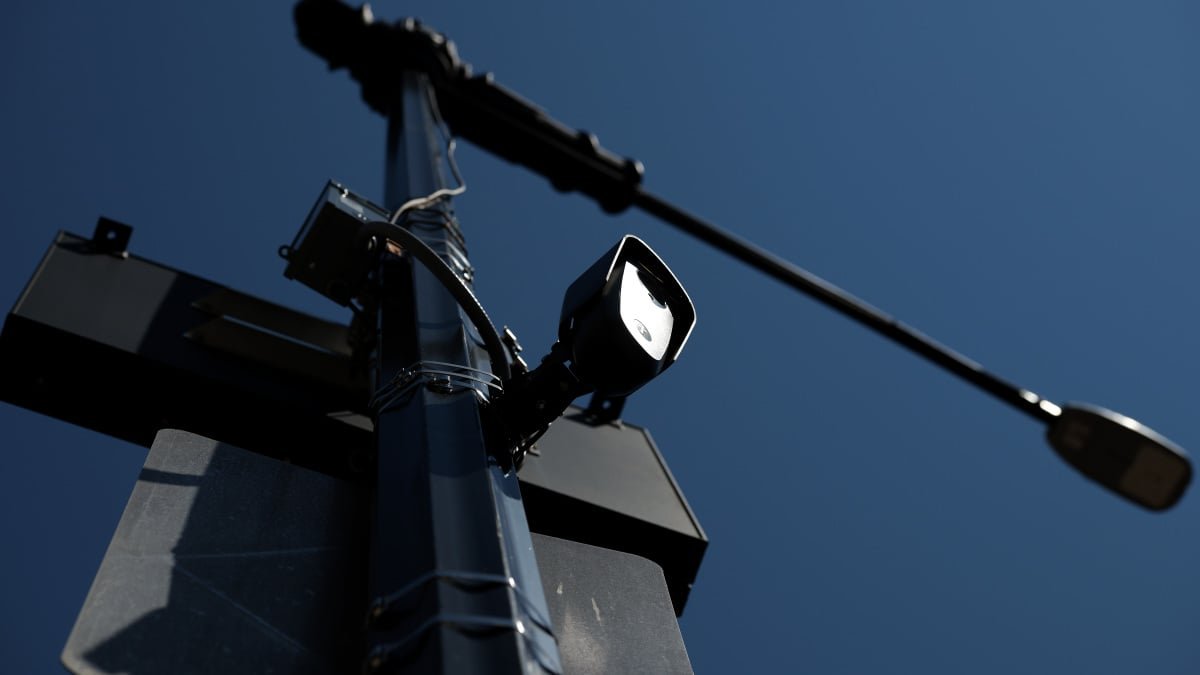

In a significant victory for civil liberties and public transparency, a Massachusetts superior court judge has mandated that state police publicly disclose the locations of their automatic license plate reader (ALPR) technology. This landmark decision marks a crucial setback for the burgeoning, often secretive, nationwide surveillance network, particularly those systems utilizing controversial Flock cameras.
A Landmark Ruling for Transparency
The ruling culminates a rigorous three-year legal battle initiated by the ACLU of Massachusetts. In 2023, the civil society group filed a lawsuit against the state police, challenging their refusal to release records detailing ALPR locations and how public data was being utilized. At the heart of the dispute was an estimated 290 million records collected by the state, used to track motorists and monitor vehicle activity across Massachusetts.
The judge’s unequivocal determination found that state police lacked sufficient justification to withhold this sensitive information from the public, ordering the immediate release of all pertinent ALPR records. This decision underscores a growing judicial recognition of the public’s right to know about the extent and nature of government surveillance.
The Rise of ALPRs and Public Outcry
Automatic License Plate Readers (ALPRs) are sophisticated surveillance tools that use cameras and artificial intelligence to capture license plate information, along with the date, time, and location of vehicles. Companies like Flock Safety have rapidly expanded their footprint, leading to a proliferation of these systems across the country.
“Over the past year, public outrage about secretive police surveillance has exploded across Massachusetts and the nation,” stated Kade Crockford, director of technology and justice programs at the ACLU of Massachusetts. “People from cities and towns across the state have been organizing to push back against local police adoption of Flock and other license plate readers. But what many residents don’t know is that the Massachusetts State Police maintains its own statewide network of license plate readers.”
Privacy Concerns and Grassroots Resistance
The integration of advanced AI into ALPR systems has ignited profound concerns among privacy advocates and free speech organizations. Critics argue that these networks create a pervasive dragnet, capable of tracking individuals’ movements without suspicion, thereby eroding fundamental civil liberties.
Communities nationwide have not remained silent. Resistance against the increasing presence of Flock cameras has manifested in various forms, from organized protests to more direct “guerrilla tactics” aimed at exposing and even disabling these surveillance devices. Jay Stanley, a senior policy analyst at the ACLU, remarked in a recent interview with The Guardian, “In my 20-plus years at the ACLU, I’ve never really seen such a grassroots uprising against surveillance technology like this.”
Legislative Scrutiny and Bipartisan Momentum
The public’s growing unease has translated into significant legislative momentum. A bipartisan effort to regulate private surveillance companies like Flock is gaining traction, with prominent voices from both sides of the political spectrum advocating for stricter controls on how authorities can use these technologies.
Just last month, Missouri Senator Josh Hawley announced he was spearheading an investigation into Flock, reflecting a broader trend of state governments cracking down on data collection practices and blocking funding for private tech surveillance firms. This national movement, coupled with the Massachusetts court’s ruling, signals a pivotal moment in the ongoing debate between security and privacy in the digital age.
For more details, visit our website.
Source: Link