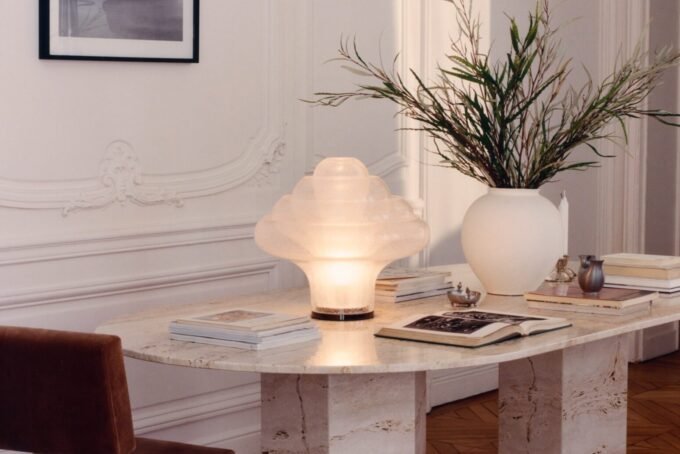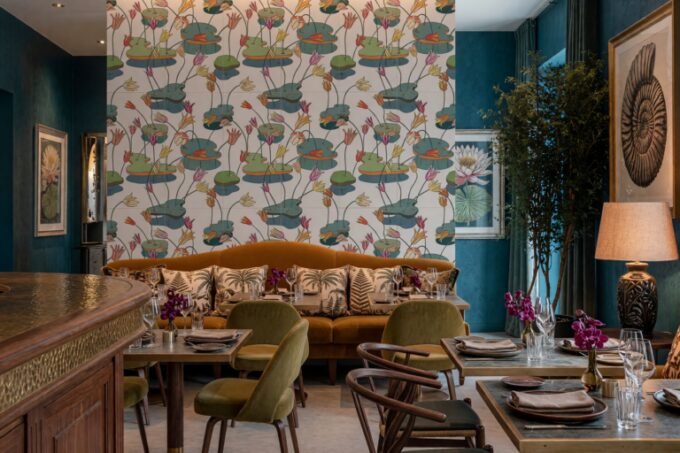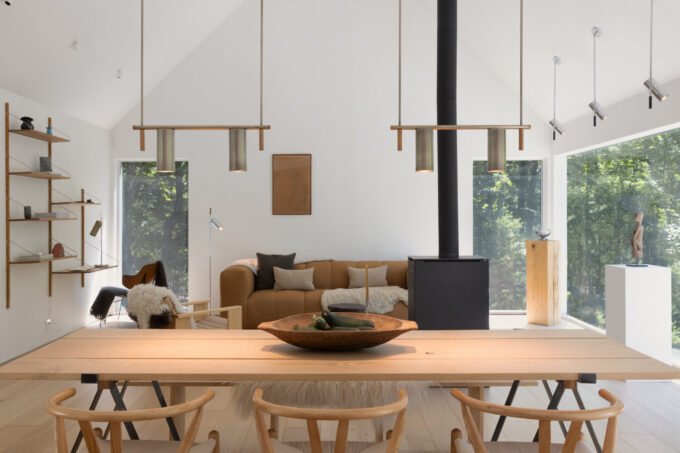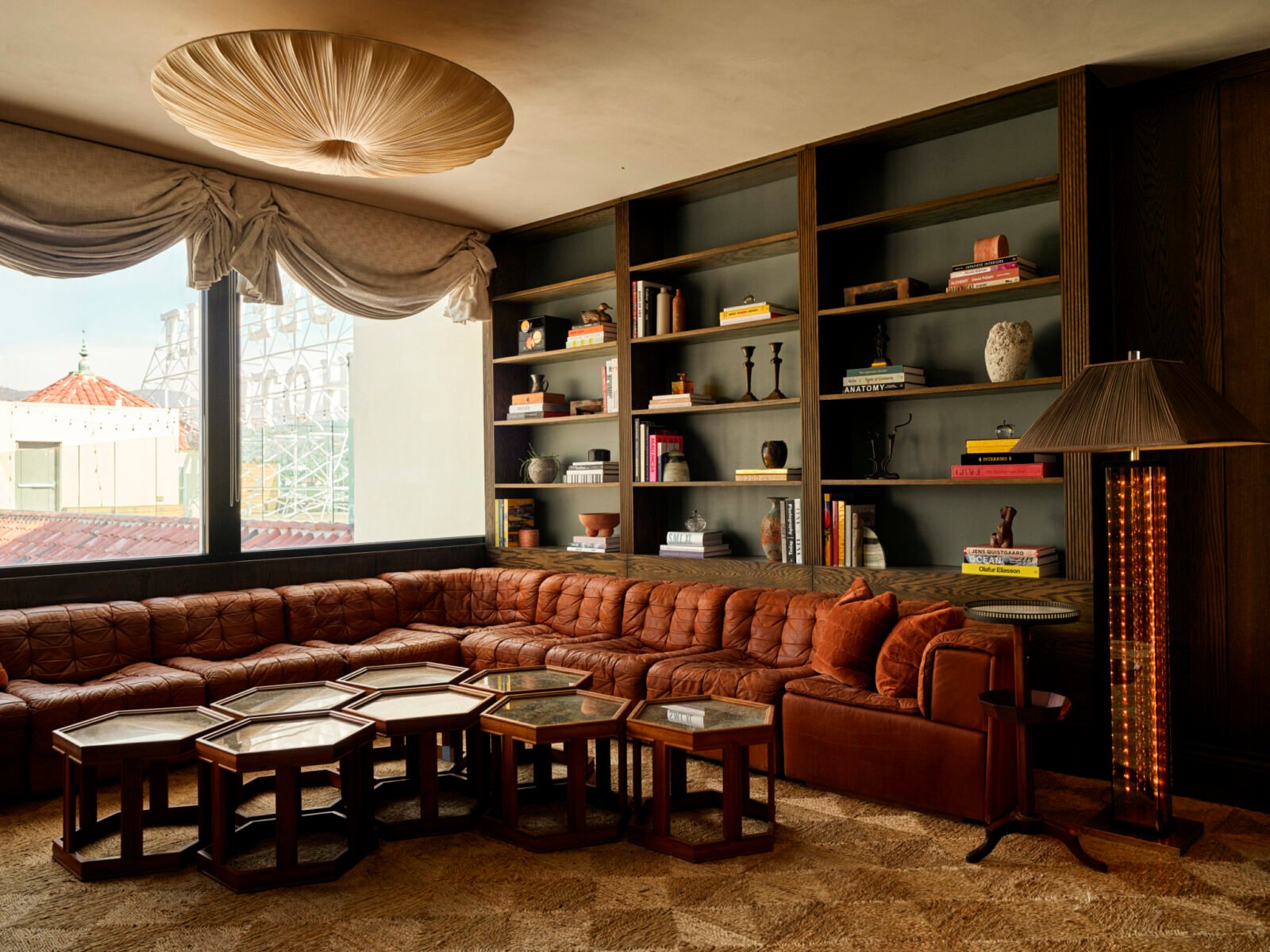

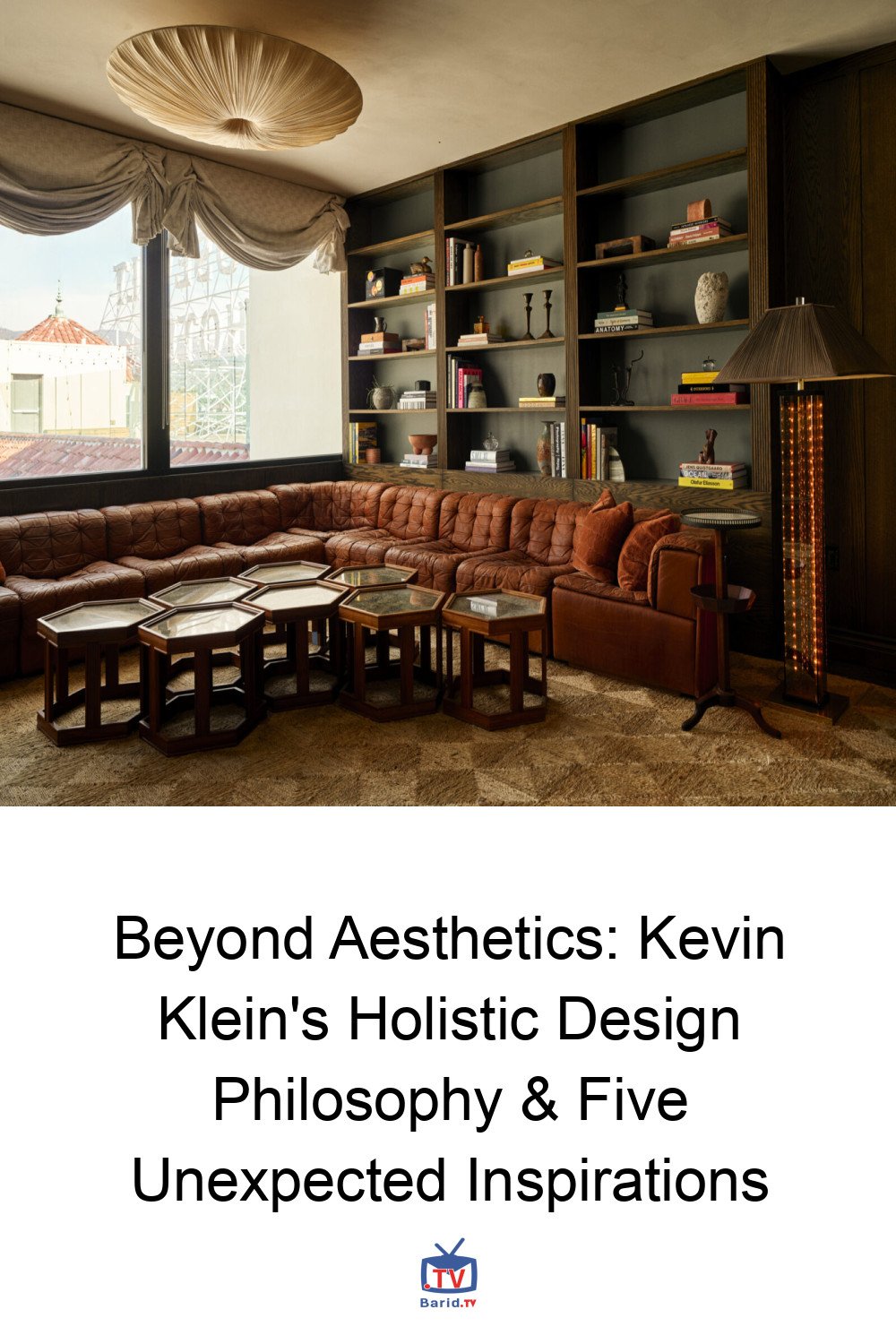
In the dynamic world of design, few journeys are as insightful as that of Kevin Klein. After dedicating over a decade to hospitality development, collaborating with luminaries like Kelly Wearstler and Philippe Starck, Klein experienced a profound epiphany. “I was being paid to provide design insight to the same people that I was actively looking to for their own perspectives,” he reflects. This pivotal realization propelled him to establish Kevin Klein Design in 2020, marking a significant transition into interior design.
A California native, Klein’s inaugural project was a comprehensive top-to-bottom redesign for a childhood friend’s home—an invaluable opportunity that continues to shape his distinctive methodology. While his ultimate goal is to craft inspiring spaces, Klein’s approach is far from superficial or merely style-centric. Armed with an architecture degree from the University of Southern California, he champions a holistic design philosophy, meticulously integrating construction, operational efficiency, and long-term functionality into every endeavor. Whether transforming hospitality venues, residential sanctuaries, or multi-family dwellings, Klein ensures each project possesses a singular, resonant identity.
For Klein, the most gratifying moment arrives with project completion, when the stark contrast of before-and-after photographs reveals the tangible, enduring impact of his team’s work. It’s a testament to the lasting power of thoughtful design.
Kevin Klein’s Five Pillars of Inspiration
Today, we delve into the mind of Kevin Klein as he shares the “Friday Five”—five diverse elements that ignite his creative spark, offering a window into the influences that shape his remarkable work.
1. Gladding, McBean Ceramics Company: Preserving Architectural Heritage
Klein’s encounter with Gladding, McBean during the meticulous restoration of Los Angeles’s NoMad Hotel was transformative. Here, historic terra-cotta elements were crucial to resurrecting the original grandeur of the 1920s Bank of Italy building. What truly captivated him was the profound rarity of this craft: Gladding, McBean stands as one of only two companies nationwide still capable of producing architectural terra cotta of such caliber. Their process is a masterful blend of cutting-edge scanning and fabrication technology with time-honored handcraft, allowing them to meticulously replicate deteriorated or missing historic pieces. A tour of their 150-year-old Northern California facility left Klein “completely blown away” by the intricate stages of sculpting, molding, glazing, firing, and color matching—essentially reverse-engineering architectural elements from a century past. This experience fundamentally reshaped his view of restoration, not merely as an act of recreation, but as a vital endeavor to keep an extraordinary material language vibrantly alive.
2. Park Hotel Vitznau, Switzerland: A Symphony of Setting and Design
The allure of hotels that seamlessly merge with their environment holds a particular fascination for Klein, and Switzerland’s Park Hotel Vitznau stands as a paramount example. Opened in 1903 on the serene shores of Lake Lucerne, the hotel presents a compelling tension between its almost fantastical, old-world Swiss architecture and the breathtaking clarity of the surrounding landscape—the pristine lake, majestic mountains, and the intense interplay of light and water. Internally, the hotel masterfully weds contemporary technology and luxurious amenities with an authentic sense of nostalgia. It serves as a brilliant illustration of how history and modern luxury can coexist harmoniously, rather than in competition. The architecture provides a foundation of romance and permanence, while contemporary interventions deliver comfort and relevance. Yet, as Klein aptly observes, the most potent design element is an untouched masterpiece: the setting itself. Lake Lucerne reigns supreme, making the hotel an unforgettable experience where everything else feels secondary.
3. Lake Maracaibo, Venezuela: A Visceral Landscape of Light and Energy
A journey to Lake Maracaibo in 2012 left an indelible visual imprint on Kevin Klein, one that continues to resonate over a decade later. He describes it as a “strange, incredibly visceral place”—an enormous expanse of water, enveloped by the dense rainforest, permeated by humidity, and charged with an almost constant electrical energy in the sky. The region’s legendary lightning displays, witnessing such an intense spectacle of light and power against a dark, tropical backdrop, felt almost surreal, cinematic even. Klein believes designers continuously build a subconscious library of places, colors, light, textures, and experiences, and Lake Maracaibo has unequivocally secured a permanent, potent chapter within his own.
4. Ferrari 575M Maranello: The Intersection of Tradition and Modernity
The Ferrari 575M Maranello embodies a captivating confluence of tradition and modernity that deeply appeals to Klein. Its V12 engine delivers the quintessential sound, tactility, proportion, and theatricality one expects from a classic Italian grand tourer. With its elongated hood, physical controls, and judiciously restrained technology, it exudes a vintage allure without being an actual vintage car. Klein particularly admires how its beauty seems to be a unique interpretation of “form following function”—nothing appears gratuitous, yet the outcome is remarkably stylized. For him, it represents an almost perfect equilibrium between romance and high performance, a dream he hopes to realize for himself one day.
5. Korean Dancheong: The Art of Symbolic Color and Pattern
Kevin Klein finds profound fascination in Dancheong, the traditional Korean system of decorative painting. This intricate art form, often seen adorning the wooden components of temples, palaces like Changdeokgung in Seoul, and other significant structures, is far more than mere ornamentation. Dancheong is characterized by its vibrant palette of five fundamental colors—blue, red, yellow, white, and black—each carrying deep symbolic meaning, representing elements, directions, and philosophical concepts. The elaborate patterns, ranging from geometric motifs to stylized floral and animal designs, are meticulously applied to protect the wood from the elements while simultaneously conveying spiritual harmony, warding off evil, and expressing the dignity of the building. Klein is drawn to how Dancheong transforms structural elements into a canvas of cultural narrative and aesthetic brilliance, embodying a profound connection between art, architecture, and spiritual belief.
For more details, visit our website.
Source: Link