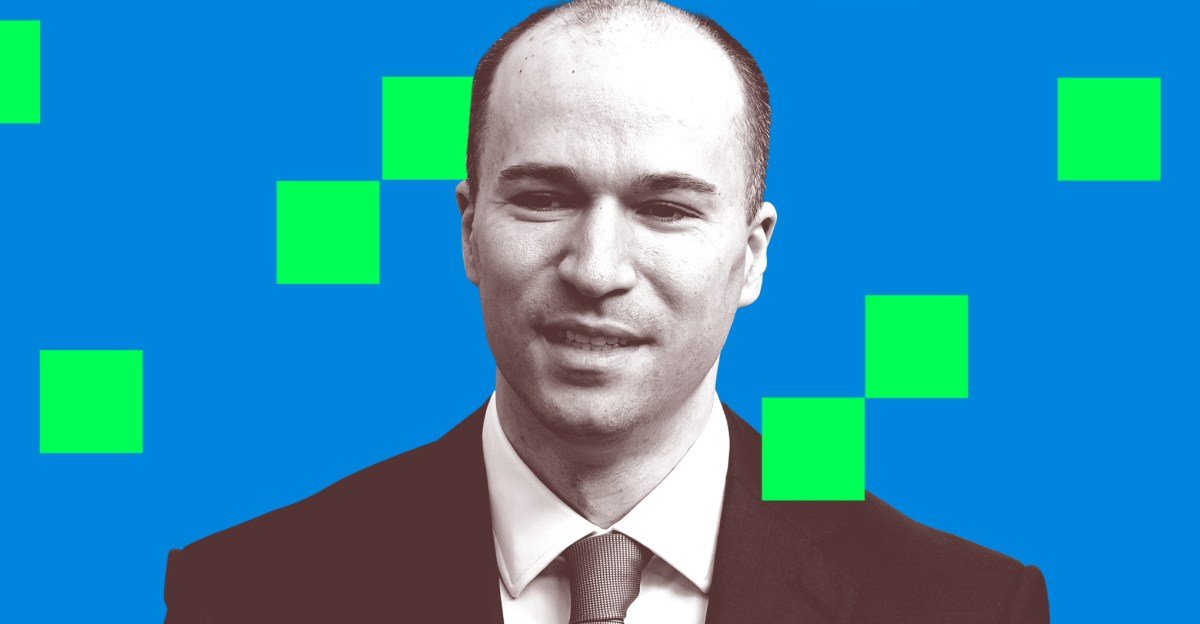

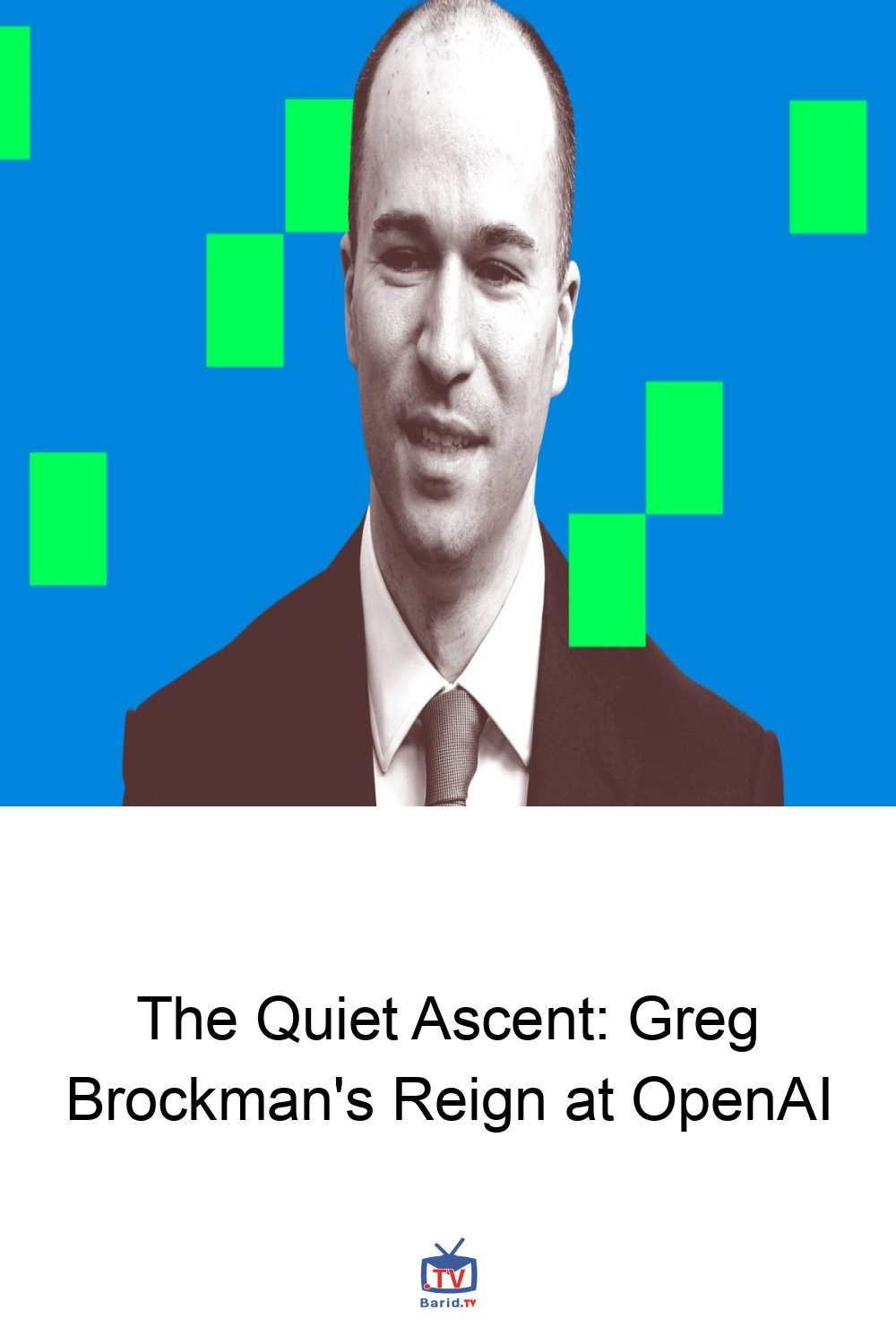
In the high-stakes world of artificial intelligence, where innovation meets intense corporate drama, OpenAI has navigated a truly tumultuous year. From sensational legal battles with former co-founder Elon Musk to a high-profile trade secrets lawsuit from Apple, and even scrutiny over an unreleased model allegedly hacking a rival, the company has been under a relentless spotlight. As it gears up for a highly anticipated IPO, a notable exodus of top executives has further underscored the internal shifts. Yet, amidst this whirlwind, one figure has quietly but decisively amassed significant power: Greg Brockman.
Greg Brockman: From Engineering Workhorse to Operational Boss
Brockman, a co-founder and currently OpenAI’s president, has been integral to the company’s journey since its inception. He was famously described as the “engineering workhorse” who tirelessly drove the development of scaled-up systems essential for training and deploying OpenAI’s groundbreaking AI models. His ambition was evident early on, with a 2017 journal entry musing, “Financially what will take me to $1B?” — a goal he has since surpassed by nearly 30-fold through his stake in OpenAI.
While he once shared power with other key figures like chief scientist Ilya Sutskever and CEO Sam Altman, Brockman’s influence has steadily grown. Though his official title hasn’t changed in years, his operational purview and responsibilities have expanded dramatically. He is now, effectively, the second-in-command, and crucially, the driving force behind OpenAI’s day-to-day operations.
The Executive Exodus and Brockman’s Expanding Authority
The year has seen a steady stream of high-level departures from OpenAI, but April marked a significant acceleration. That month alone witnessed the exits of Bill Peebles (former head of Sora), Kevin Weil (VP of OpenAI’s science arm), and Srinivas Narayanan (CTO of B2B applications). Further departures included CMO Kate Rouch and Fidji Simo (CEO of AGI deployment), both citing medical reasons, with Simo officially stepping down in July after an April leave.
The executive churn continued into recent months. CRO Denise Dresser, who had taken on expanded duties after the April shakeups, abruptly announced her departure after just eight months. Days later, Brad Lightcap, formerly OpenAI’s longtime COO and more recently in charge of “special projects,” also declared his intent to leave and pursue “something new.”
While some of these departures didn’t directly impact Brockman’s role, others significantly broadened his authority. When Fidji Simo went on medical leave, Brockman stepped in to lead all product initiatives, including the ambitious “super app” efforts. This shift gained even greater momentum the following month when OpenAI underwent a major executive reorganization, explicitly designed to boost revenue. This restructuring placed Brockman not only at the helm of product strategy but also in charge of the company’s entire “scaling” arm, granting him oversight over virtually all commercial operations. Simo’s official departure, coinciding with OpenAI’s IPO filing, cemented this new arrangement.
A telling sign of Brockman’s elevated status came with Dresser’s recent departure. The official press release featured a quote from Brockman, rather than CEO Sam Altman, stating the company’s commitment to “build out the full system to make AI broadly useful for people and businesses.”
Strategic Implications and Future Outlook
For external observers, these internal shifts clearly signal OpenAI’s sharpened focus on revenue generation as its IPO looms. The company is also keenly looking to differentiate its products from competitors like Anthropic. Harrison Rolfes, a senior research analyst at PitchBook, notes that significant changes in executive scope often “signal towards where the company is headed strategically.” He characterizes Brockman as a “product scale and commercial sort of guy” with deep technical knowledge, capable of streamlining decision-making processes.
This consolidation of power under Brockman may also lead to further internal adjustments. Rolfes suggests that “Whatever he says goes [now]… If, let’s say, you’re below Brockman and you don’t agree with his approach but you’re a lead researcher, whatever it may be, you’re not going to work there anymore — you’re going to say, ‘I’m going to leave.’”
Brockman’s authority is now second only to Sam Altman, who himself undertook a deliberate consolidation of power following his clash with OpenAI’s board in 2023. The dynamic between these two leaders will undoubtedly shape OpenAI’s trajectory as it navigates its next phase of growth and public scrutiny.
For more details, visit our website.
Source: Link