
Defy Gravity: Crafting the Featherlight FPV Whoop Drone
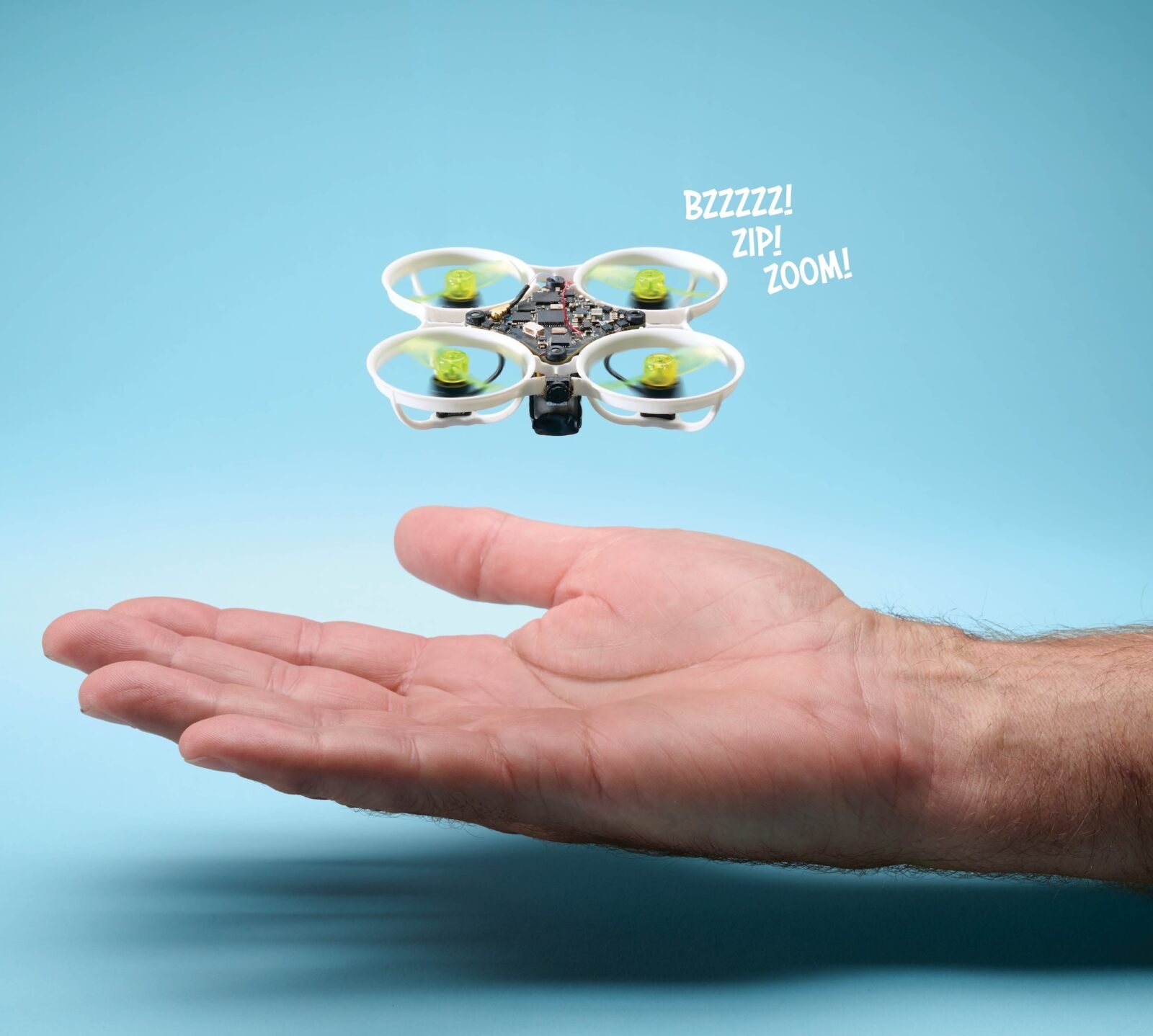
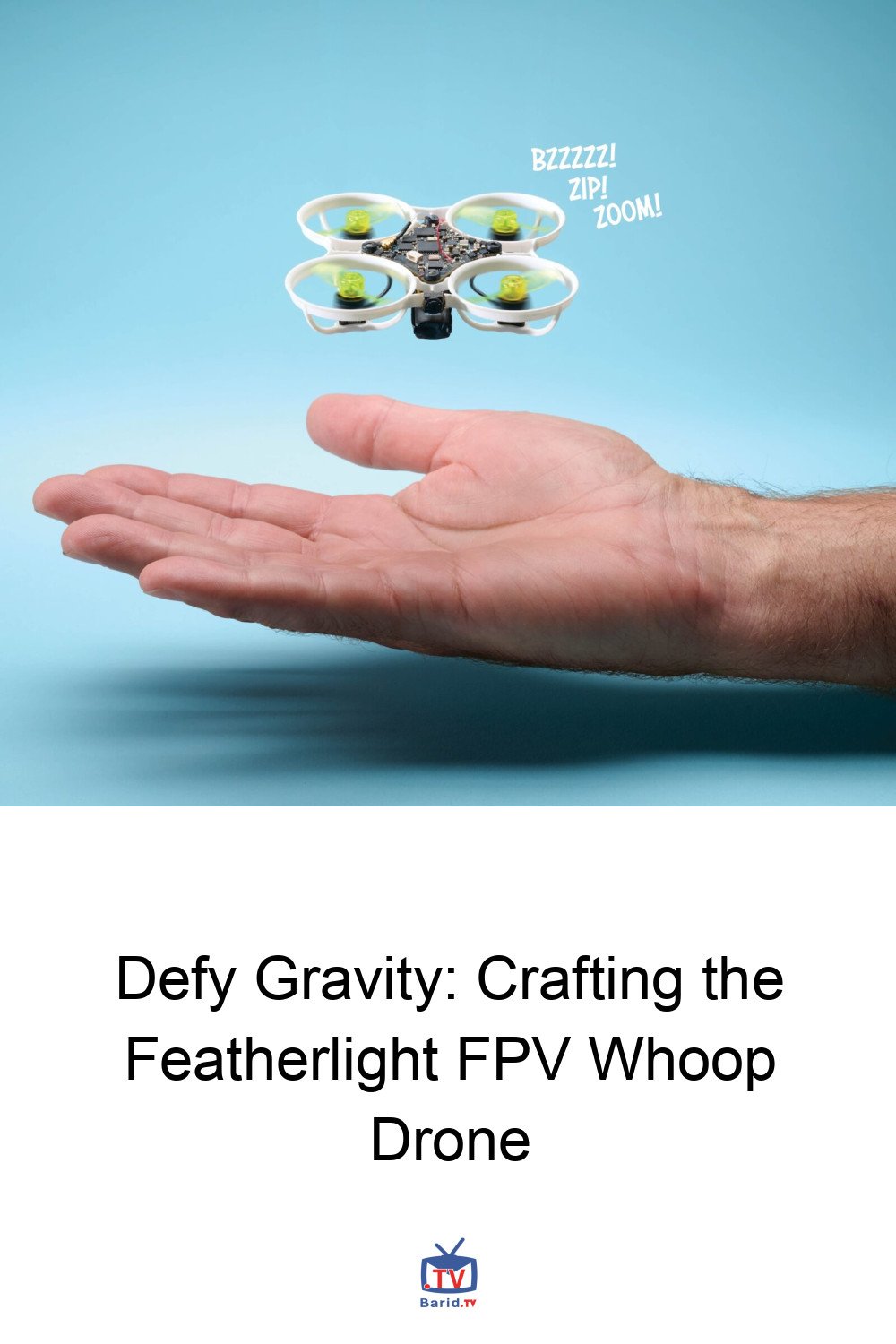
Imagine a drone so light, it weighs less than three nickels. A marvel of miniature engineering capable of breathtaking acrobatics and blistering speed. This isn’t a futuristic fantasy, but a tangible project you can undertake. Welcome to the world of ultralight FPV whoop drones, where precision craftsmanship meets exhilarating flight.
The Genesis of First-Person Flight
First-Person View (FPV) drones revolutionized aerial exploration and sport in the late 2000s, quickly evolving beyond mere toys. Today, FPV technology powers everything from cinematic masterpieces to industrial inspections and even military applications. Yet, at its heart, FPV remains a vibrant community driven by the pure joy of flight and the thrill of creation. Our focus here is on the latter: building for fun, pushing the boundaries of what’s possible in a tiny package.
Understanding the Whoop Phenomenon
Whoops, often called micro whoops, are a popular class of mini quadcopters distinguished by their ducted prop guards. These guards offer crucial safety, making them ideal for indoor flying and close-quarters piloting. Typically measuring 65mm or 75mm, with 31mm or 40mm propellers, whoops are renowned for their agility and are a favorite among FPV racers and freestyle pilots. Among them, ultralight whoops
stand out. These are the epitome of nimble flight, meticulously optimized for weight, often featuring ultra-tiny FPV cameras that prioritize raw speed and acrobatic potential over high-definition video quality.
Navigating the Diverse FPV Landscape
The FPV world is rich with specialized drones, each designed for a unique purpose:
- Toothpicks: Similar to micro whoops but feature an open frame without prop guards, built for speed and outdoor agility.
- Cinewhoops: Larger, typically sporting 3-inch propellers and robust motors, designed to carry action cameras like a GoPro for capturing stunning, stable video footage.
- Freestyle FPV Drones: The all-rounders, built for a balance of speed, agility, and durability, capable of carrying quality cameras for dynamic acrobatic flights.
- Long-Range FPV Drones:
Engineered for endurance, these drones can cover vast distances (20+ miles) with powerful radios to maintain control, often with ultralight variants for maximum efficiency.
Our ultralight whoop fits squarely into the category of pure, unadulterated flight performance.
The Challenge and Reward of DIY
This project, featured in Make: Vol. 98, is not for the faint of heart. It demands moderate to advanced soldering skills, requiring steady hands and perhaps even loupe glasses for the intricate work on small components. Furthermore, a solid understanding of Betaflight configuration and troubleshooting for brushless drones is essential. But for those willing to embrace the challenge, the reward is immense: a custom-built, outdoor-capable 65mm brushless whoop weighing an astonishing 13.5 to 14 grams, complete with an FPV camera. This is a machine that moves incredibly fast, offering an unparalleled piloting experience that only a truly ultralight build can provide.
Your Blueprint for Flight
Ready to embark on this rewarding journey? The path to building your own ultralight FPV whoop involves several key steps:
- Removing Motor Connectors
- Attaching Motors
- Replacing Camera Wires
- Attaching FPV Camera
- Preparing Battery Connector
- Assembling Your Drone
Each step is a testament to precision and patience, culminating in a drone that redefines lightweight performance. Dive in, and prepare to experience the thrill of flight, crafted by your own hands.
For more details, visit our website.
Source: Link