
A Looming Shift in America’s Statistical Landscape
A highly contentious proposal from the US Department of Commerce, which oversees the Census Bureau, is poised to dramatically reshape how America counts its people. Documents obtained by WIRED reveal a plan to cease the collection of vital demographic data on racial minorities and LGBTQ+ individuals, alongside a move to exclude undocumented immigrants from the crucial 2030 census count. This potential overhaul carries profound implications for federal funding distribution, particularly for states with significant minority populations, and for immigrant communities nationwide.
Erasing Identities: The Proposed Data Cuts
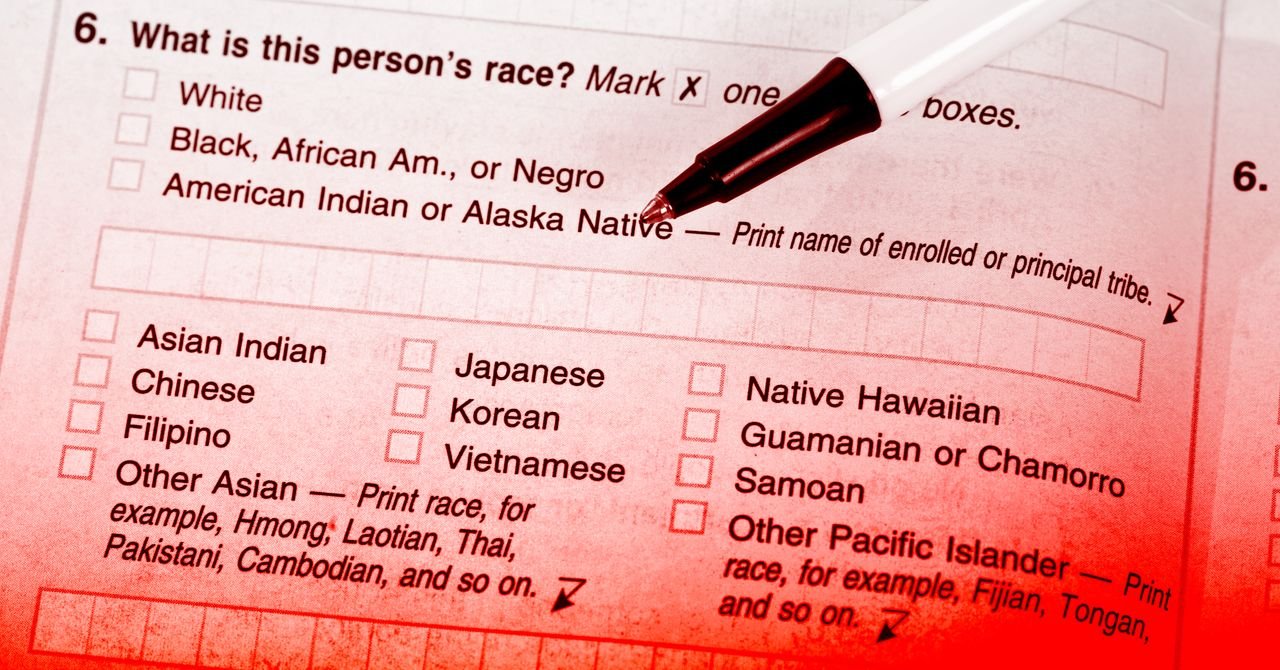
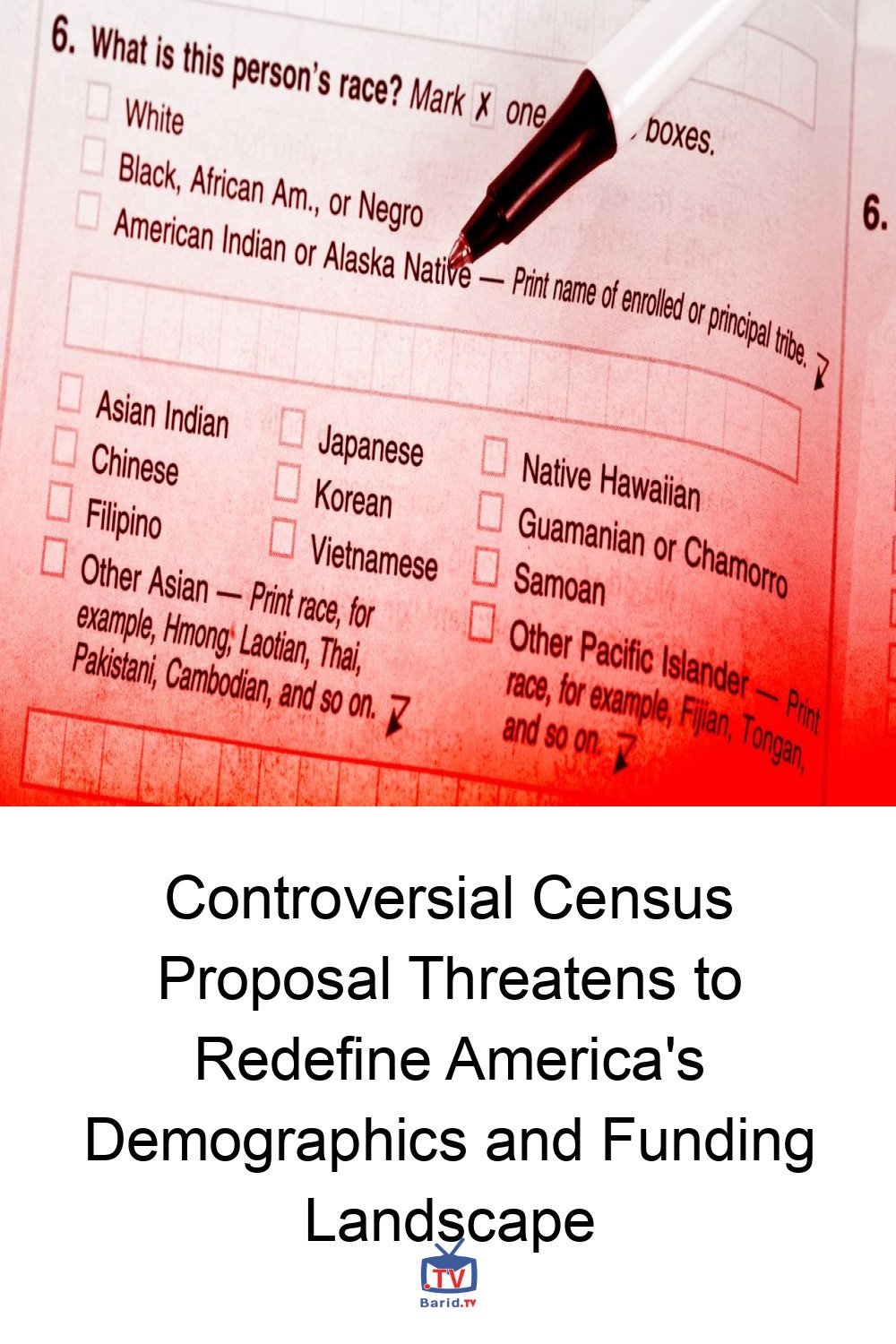
The proposed rule, currently circulating among government agencies for review, explicitly states its intention to eliminate questions concerning race and sexual orientation. The rationale provided is to “protect from any distortions created from the inclusion of personal questions.” This justification has raised eyebrows among civil rights advocates and data scientists alike, who argue that such data is essential for understanding societal structures and addressing inequalities.
The Undocumented Exclusion: A Return to Contentious Debates
Perhaps even more controversially, the memo asserts that “illegal aliens (among others) should not be included in the apportionment count, they are not true inhabitants, members of the body politics [sic], or persons with ‘usual residence’ in the United States.” Implementing this would almost certainly necessitate the reintroduction of a citizenship question to the census, a move that sparked a fierce legal battle during Donald Trump’s first presidential term. While the Supreme Court ultimately struck down that attempt in a 5-4 decision in 2019, deeming the justification “contrived,” the ruling did not declare citizenship questions inherently unconstitutional, leaving the door open for future attempts.
The Far-Reaching Consequences of Data Suppression
The ramifications of these proposed changes are vast and multifaceted. Census data is the bedrock upon which congressional seats are apportioned and billions of dollars in federal funding are allocated for everything from healthcare and education to infrastructure. Eliminating demographic categories and undercounting certain populations could lead to a significant misrepresentation of communities, with direct consequences for their political power and access to essential resources.
Danah Boyd, a professor at Cornell University who specializes in census studies, emphasizes the link to foundational civil rights. “This is about the Voting Rights Act,” Boyd states, referencing the landmark legislation that has seen parts dismantled by the Supreme Court. She warns that without accurate demographic data, it becomes nearly impossible to make fundamental assessments, such as determining if a congressional district predominantly comprises minority groups. “If we don’t know certain things, we can’t challenge them politically,” Boyd asserts. “If we don’t know that certain peoples live in a particular geography, we can’t say, ‘Oh my gosh, here’s some massive inequality.’”
Voices from Within: Concerns Over Funding and Fear
Anonymous sources within government agencies have also voiced grave concerns. An employee at the Department of Health and Human Services (HHS) told WIRED that “many HHS programs use Census data to appropriate funding. Removing undocumented individuals from the census will cause localities with high numbers of those populations to lose critical federal funding.” The HHS employee also highlighted the specific impact on Native populations, noting that some programs rely on the “American Indian or Alaska Native” category for grant determinations for Tribal entities.
A Department of Commerce employee, also speaking anonymously, expressed worry that a citizenship question would instill fear, discouraging undocumented individuals or those with undocumented family members from participating. “Even if [the administration doesn’t] do anything operationally like ICE or anything like that, they can make people feel as if they answer the Census they will be rounded up,” they explained. Boyd echoed this sentiment, stating, “When you eliminate people and when you make people too afraid to participate because of the eliminations of other peoples, you will actually purposefully suppress the number of people who are in a geography. And that is a way of trying to make certain that you erase their political power and their access to federal funding.”
A Pattern of Scrutiny: The Census Under Fire
The census has long been a target for Republicans and the Trump administration. Beyond the citizenship question, there have been attacks on statistical methods like “differential privacy,” which protects individual respondent anonymity, with claims that it renders data inaccurate. Recent legislative efforts, such as Representative August Pfluger’s COUNT Act and Senator Jim Banks’ letter to Commerce Secretary Howard Lutnick, further underscore a persistent push to redefine who counts in America’s decennial survey. With census questions typically finalized two to three years in advance based on administration priorities, the current proposals signal a potentially transformative, and deeply divisive, path forward for the 2030 count.
For more details, visit our website.
Source: Link