
The Digital Cleanup: Social Platforms Take a Stand Against AI-Generated ‘Slop’
The rapid advancement of generative AI has ushered in an era of unprecedented content creation, but not all of it is welcome. As algorithms churn out text, images, and videos at scale, a new challenge has emerged for social platforms: the deluge of low-quality, often misleading, and unoriginal AI-generated content, colloquially dubbed ‘AI slop’. From established giants to niche publishing platforms, a growing number of online spaces are now actively implementing measures to combat this digital pollution, aiming to preserve content quality and user trust.
The Rising Tide of ‘AI Slop’
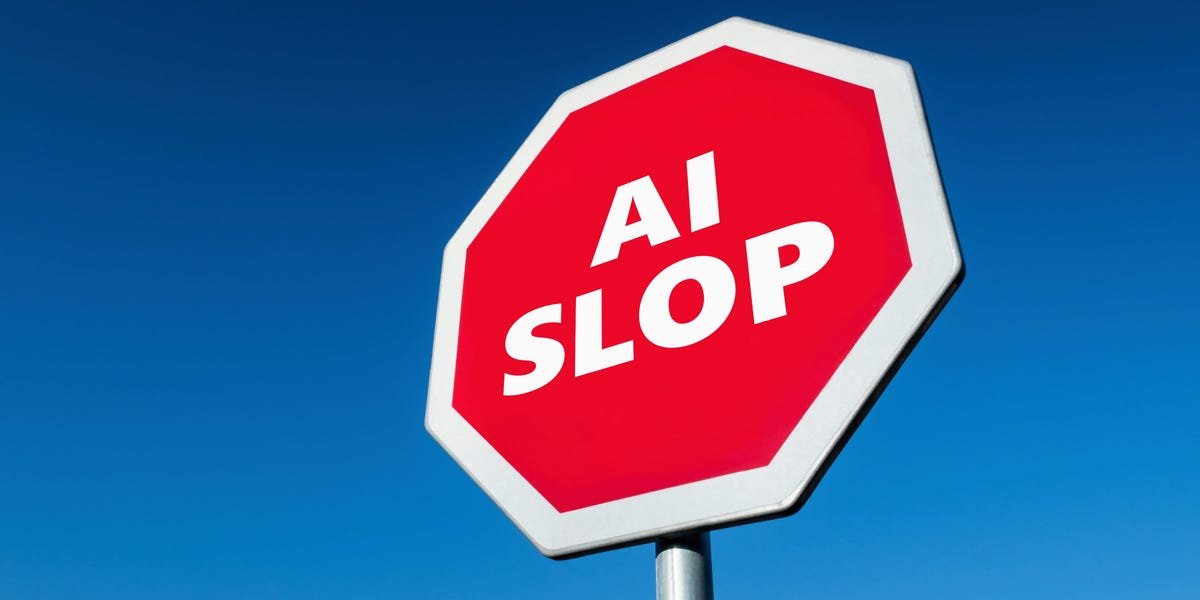
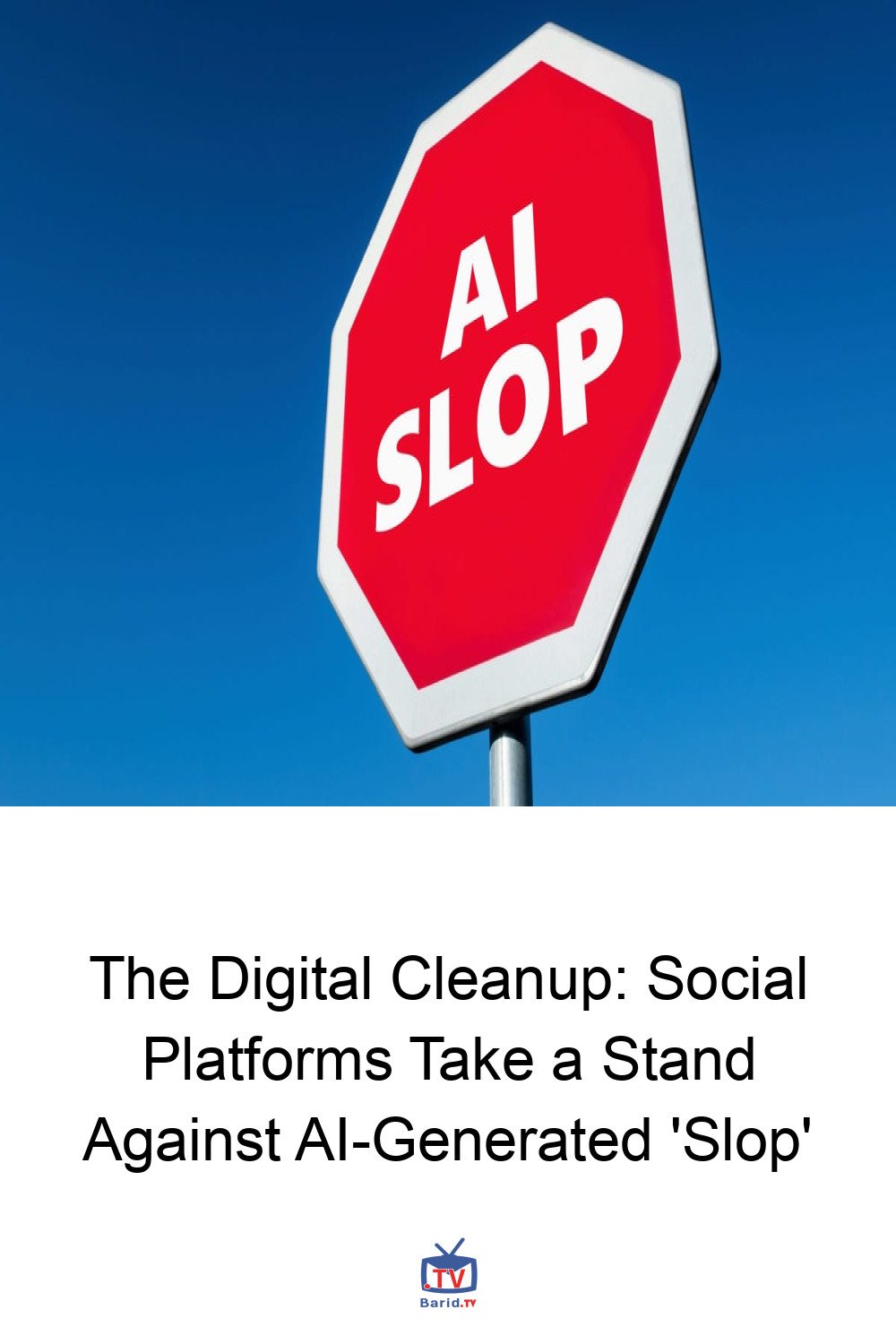
The term ‘AI slop’ refers to content produced by artificial intelligence that lacks depth, originality, accuracy, or genuine human insight. It often manifests as repetitive articles, poorly constructed summaries, generic imagery, or even misleading information, all generated with minimal human oversight. While AI offers incredible tools for efficiency and creativity, its misuse can quickly degrade the user experience, flood feeds with spam, and even undermine the credibility of platforms that host it.
For platforms, the stakes are high. A reputation for hosting low-quality or deceptive content can drive users away, diminish advertising revenue, and invite regulatory scrutiny. Consequently, the fight against AI slop is becoming a critical battlefront in the ongoing evolution of digital content moderation.
Platforms Respond: A United Front
Recognizing the threat, various social platforms are beginning to roll out policies and technological solutions to identify, label, and in some cases, remove AI-generated content that falls short of their quality standards.
Substack’s Stance on Quality
Known for its focus on independent writers and quality long-form content, Substack has been particularly vocal about maintaining a high bar. While not outright banning AI assistance, the platform emphasizes the importance of human authorship and original thought. Their policies often lean towards discouraging purely AI-generated newsletters that lack unique perspective or critical analysis, aiming to protect the integrity of their creator ecosystem and the trust of their readership.
YouTube’s Transparency Initiative
As a video-first platform, YouTube faces unique challenges with AI-generated visuals and audio. The platform has been at the forefront of requiring creators to disclose when content, particularly synthetic media that could mislead viewers, has been substantially altered or generated by AI. This move towards greater transparency is designed to empower viewers to make informed judgments about the content they consume, while also setting a precedent for responsible AI use in media creation.
Beyond the Giants: Other Platforms Join the Fray
The crackdown isn’t limited to the largest players. Smaller social networks, forums, and content aggregators are also grappling with how to manage AI-generated content. Many are updating their terms of service, enhancing their moderation tools, and even exploring AI-detection technologies to identify and flag content that may be algorithmically produced without sufficient human input or review. The goal is often to distinguish between AI as a helpful tool for human creators and AI as a replacement for genuine content creation.
The Impact on Creators and Consumers
This evolving landscape has significant implications. For legitimate creators who use AI tools responsibly to enhance their work, the challenge lies in demonstrating the human element and value in their content. For those who rely solely on AI to mass-produce content, the path forward will be increasingly difficult as platforms tighten their restrictions.
For consumers, these measures promise a cleaner, more trustworthy digital environment. By reducing the noise of AI slop, platforms hope to elevate authentic voices, foster meaningful engagement, and ensure that the content users encounter is genuinely valuable and reliable.
Conclusion
The battle against AI slop is still in its early stages, but the message from social platforms is clear: quality and authenticity remain paramount. As AI technology continues to advance, so too will the methods platforms employ to curate their digital spaces. This ongoing digital cleanup is not just about technology; it’s about safeguarding the human connection and intellectual integrity that form the bedrock of our online communities.
For more details, visit our website.
Source: Link