

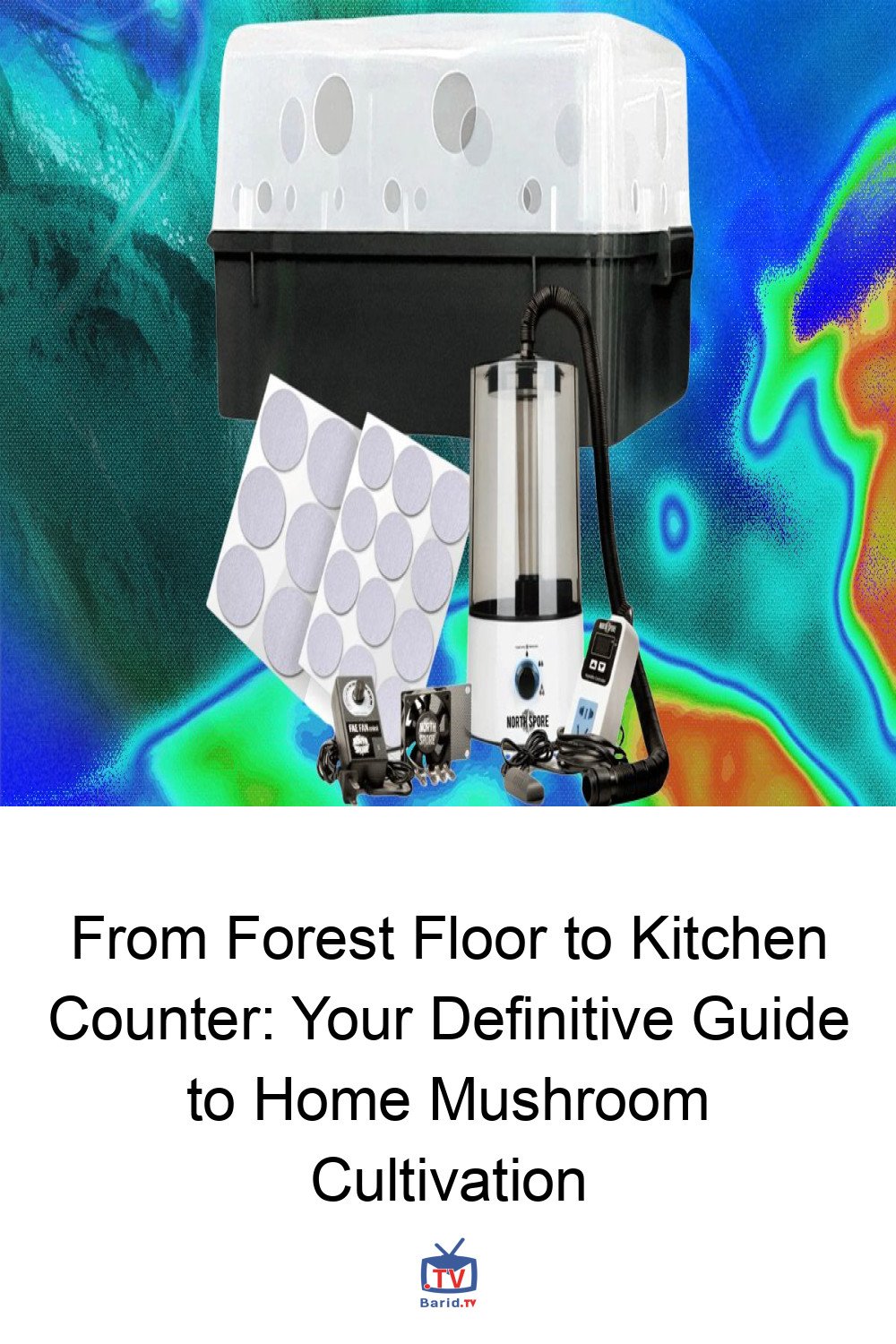
The thrill of foraging for wild mushrooms is undeniable, a treasure hunt in nature’s pantry. Yet, this adventure comes with its perils: the frustration of a discovered secret spot, the disappointment of slug infestations, or, most critically, the inherent danger of misidentifying a toxic look-alike. Imagine, instead, the satisfaction of harvesting your favorite fungi—be it earthy shiitakes, delicate morels, or brain-like lion’s manes—safely within the confines of your home or garden, much like cultivating your own vegetables.
While the concept sounds idyllic, the reality of mushroom cultivation, a pursuit closely allied with gardening, presents its own unique set of challenges. Fungi, unlike plants, demand a specific trinity for growth: spores, a nutrient-rich food source, and a consistently humid environment.
The Allure of Homegrown Fungi: Why Cultivate Your Own?
Beyond the obvious safety advantages, cultivating mushrooms at home offers unparalleled convenience. No more battling the elements or competing with wildlife; your gourmet harvest is just steps away. Furthermore, home cultivation opens up a world of varieties often unavailable in standard grocery stores, allowing you to explore diverse flavors and textures right from your kitchen counter.
Understanding the Fungal Frontier: The Basics of Mushroom Cultivation
The Essential Trio: Spores, Substrate, and Humidity
At their core, mushrooms are deceptively simple: they require a starting point (spores), something to feed on (substrate), and a moist atmosphere. However, their sensitivity to external factors is where the complexity lies. Light, heat, and even microscopic contaminants can easily derail a promising grow.
Navigating the Challenges: Sensitivity and Symbiosis
The delicate nature of fungi means that maintaining an optimal environment is paramount. Beyond environmental controls, some of the most sought-after varieties, such as the prized porcinis and chanterelles, demand intricate symbiotic relationships with tree roots to flourish. Simulating these natural partnerships in a home setting remains one of the grand challenges for aspiring mycologists.
A Fungi Enthusiast’s Journey: My Year of Home Cultivation Experiments
As a busy, full-time working parent with no formal mycology expertise, I embarked on a year-long quest to demystify home mushroom cultivation. My backyard and home became a laboratory for five distinct growing methods: shiitakes on an inoculated log, oysters on a cardboard fruiting block, wine caps from spawn buried in garden bark chips, oysters from grain spawn in a bucket, and a monotub setup for both oysters and lion’s manes.
The journey was a rollercoaster of emotions and, quite literally, a messy affair—I still recall the epic straw explosion in my bathroom! Ultimately, only two of my five ambitious attempts yielded successful harvests. For those of you, like me, who are curious about the world of fungi and eager to cultivate your own, I’m here to share my candid experiences, including what worked, what didn’t, and what I’d certainly do differently next time.
(Before we dive deeper, don’t forget to explore our other guides on functional mushroom supplements, delightful mushroom gummies, efficient indoor gardening systems, and unique mushroom-themed gifts.)
Demystifying the Methods: A Practical Guide to Home Mushroom Growing
Method 1: The Enduring Mushroom Log – A Test of Patience and Nature’s Rhythm
There’s an undeniable appeal to the simplicity and natural elegance of a mushroom log. Many commercially available logs are designed for outdoor use, essentially logs pre-drilled and inoculated with mushroom spawn. However, options like the 12-inch Williams Sonoma log I experimented with are crafted for indoor display, featuring smooth waxed ends and a charming rustic tag detailing its inoculation date. These logs offer a beautiful, albeit slow, introduction to mushroom cultivation.
My shiitake log, identified as “younger,” was expected to fruit seven to nine months after its December 2025 inoculation date. Despite periodic 24-hour soaks in mid-May and early July, I’m still awaiting the first signs of pinning. While a touch of green mold has appeared—a common challenge—my optimism remains, bolstered by Williams Sonoma’s fruiting guarantee. This isn’t my first encounter with a stubborn shiitake log; a previous outdoor attempt under a bush also proved fruitless. For those with existing logs on their property, consider purchasing spawn plugs of your preferred variety, drilling holes, and sealing them with wax. North Spore offers an excellent tutorial on selecting the best wood hosts for different mushroom types.
Method 2: The Instant Gratification Kit – Spray, Grow, and Savor Oyster Mushrooms
For absolute beginners seeking near-guaranteed success without the complexities of grain spawn or humidistats, a boxed oyster mushroom kit is an ideal starting point. These kits are perfect if you’re not aiming for large quantities or exotic varieties, but simply want to experience the joy of a quick, fuss-free harvest. Oyster mushrooms are remarkably hardy, grow rapidly, and boast a mild flavor profile, making them versatile for culinary use—much like the familiar white button mushrooms found in grocery stores.
My experience with a spray-and-grow oyster mushroom kit was overwhelmingly positive, yielding a respectable harvest with minimal effort. The kit’s aesthetic appeal also made it a pleasant addition to my kitchen table or windowsill, requiring only daily spraying to maintain the necessary humidity. While the yield wasn’t massive, it was a fantastic introduction to the rewarding world of home mushroom cultivation, proving that some methods truly are designed for effortless success.
For more details, visit our website.
Source: Link