
The Unseen Dangers: Ebike Safety Claims Under Scrutiny
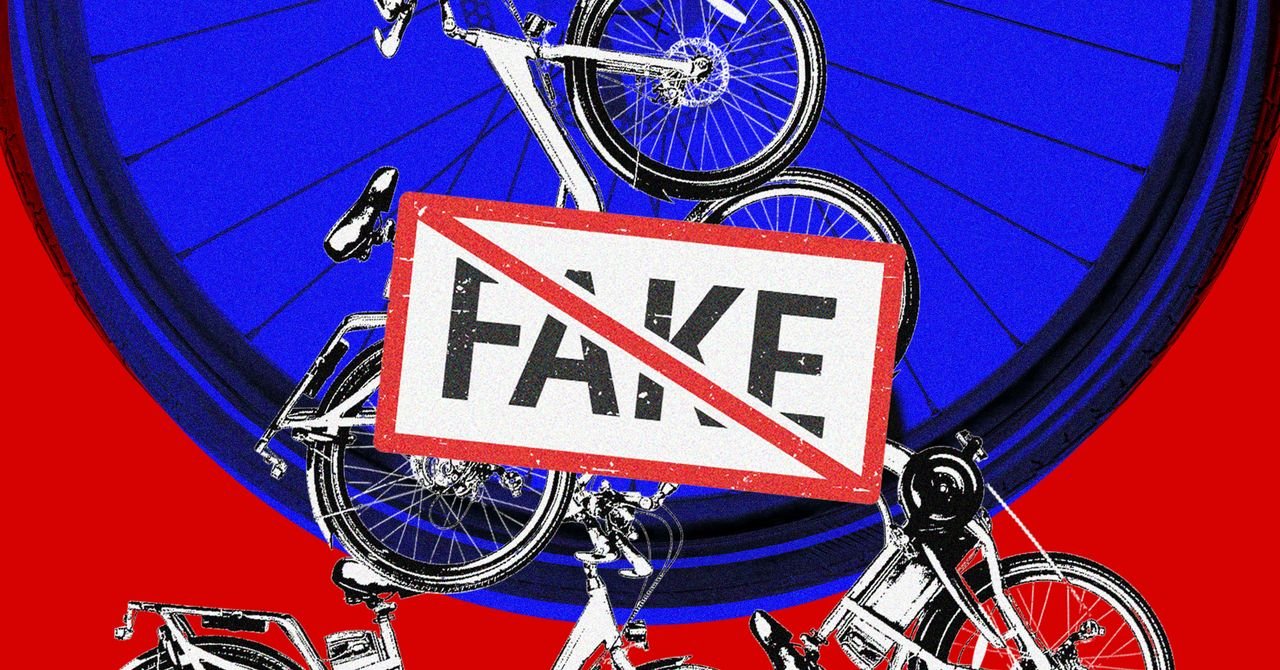
In an era where electric bikes (ebikes) are rapidly transforming urban mobility, a recent legal battle has cast a harsh light on the integrity of product safety claims, revealing a systemic issue that extends far beyond a single brand. Amazon and UL, a global leader in safety science, recently settled a lawsuit against several Chinese manufacturers behind the Aipas ebike brand, accusing them of falsely advertising UL safety certifications.
The Aipas Deception: A Breach of Trust
The core of the lawsuit, filed in January, revolved around the Chinese firms’ alleged claims on Amazon listings and the Aipas website that their ebikes were UL-certified. This recognizable mark of assurance is crucial for consumers, particularly given growing concerns over risks like lithium-ion battery fires in ebikes. However, these claims were reportedly untrue.
By July 15, a federal judge had approved a permanent injunction, legally binding the companies to cease using the UL mark and preventing them from aiding others in similar deceptive practices. While the Chinese firms—Jiangmen Meijiasheng Bicycle, Hong Kong Manchester International Trading, Shenzhen Aibosi Sport Technology, Guangzhou Aierfeile Sport Technology, and individual Tang Shuhui—did not admit liability, the injunction underscored the seriousness of the allegations.
Post-Injunction Persistence: A Disturbing Revelation
Despite the legal agreement, an investigation by WIRED uncovered a troubling reality: Facebook ads associated with Aipas Ebike continued to display UL’s distinctive red logo. A WIRED reporter encountered one such ad in mid-July, after the injunction was in place. Meta’s Ad Library further revealed at least one other ad using the UL mark active since April, months after the lawsuit began. Another ad, first posted in May, reportedly vanished from the Ad Library only after WIRED contacted Aipas and UL for comment.
Adding to the complexity, WIRED also found that while some Aipas ebikes and their batteries eventually obtained legitimate safety certifications from a nationally recognized organization, these were secured months after the initial false advertising, and some of these certificates are now inactive. Both Amazon and UL declined to comment on the lawsuit, though a UL spokesperson confirmed their team was “aware and working to resolve” the Facebook ad issues. Aipas Ebike and their legal representatives remained silent.
The Broader Problem: A Marketplace Polluted by Misinformation
The Aipas case is not an isolated incident. Donald Mays, a veteran product safety expert, warns that fraudulent product safety certifications are a “common problem and has been a common problem for quite some time.” This trend carries particularly alarming implications for electric mobility devices, where safety failures can have catastrophic consequences.
A Fiery Consequence: The Human Cost of Unsafe Batteries
The stakes are undeniably high. A US government report from April highlighted 45 fatalities between 2017 and 2024 linked to lithium-ion battery fires in mobility devices, with 19 specifically tied to ebikes. The New York City Fire Department recorded 277 such fires in 2024, a slight increase from 268 in 2023, many associated with ebikes and often with replacement battery packs.
The Consumer Product Safety Commission (CPSC) strongly advises consumers to use only micromobility devices “designed, manufactured, and certified for compliance by an accredited laboratory with the applicable consensus safety standards.”
Consumer Vulnerability in Online Marketplaces
Gabe Knight, a senior policy analyst at Consumer Reports, points out that false certifications are more prevalent on online marketplaces like Amazon. “Just as consumers are more at risk to buy a counterfeit product, period, from third-party sellers, they are more at risk to buy a product with a fabricated certification mark,” she explains. Retailers who sell directly to consumers generally offer better safety assurances due to internal compliance programs, unlike platforms that merely host third-party sales. Knight laments, “It’s really polluting the marketplace when consumers can’t trust the information they see online.”
Government Steps In: Towards Stricter Regulations
Recognizing the gravity of the situation, the US government is taking action. In May, the CPSC announced its awareness of “instances in which the misuse of certification marks appears to be part of broader efforts to evade US safety requirements,” soliciting public input to gauge the extent of counterfeit marks.
Furthermore, in June, the CPSC proposed a rule to establish mandatory federal safety standards for lithium-ion batteries in micromobility products, including ebikes. This move aims to standardize safety across the nation, as current requirements vary by state and local governments. The agency is currently accepting public comments on this crucial proposal.
Ensuring a Safer Ride for Everyone
The Aipas lawsuit serves as a potent reminder of the critical need for vigilance in consumer product safety. As the ebike market continues its rapid expansion, robust regulatory frameworks, diligent enforcement, and heightened consumer awareness are paramount to ensure that the promise of sustainable mobility isn’t overshadowed by preventable dangers.
For more details, visit our website.
Source: Link