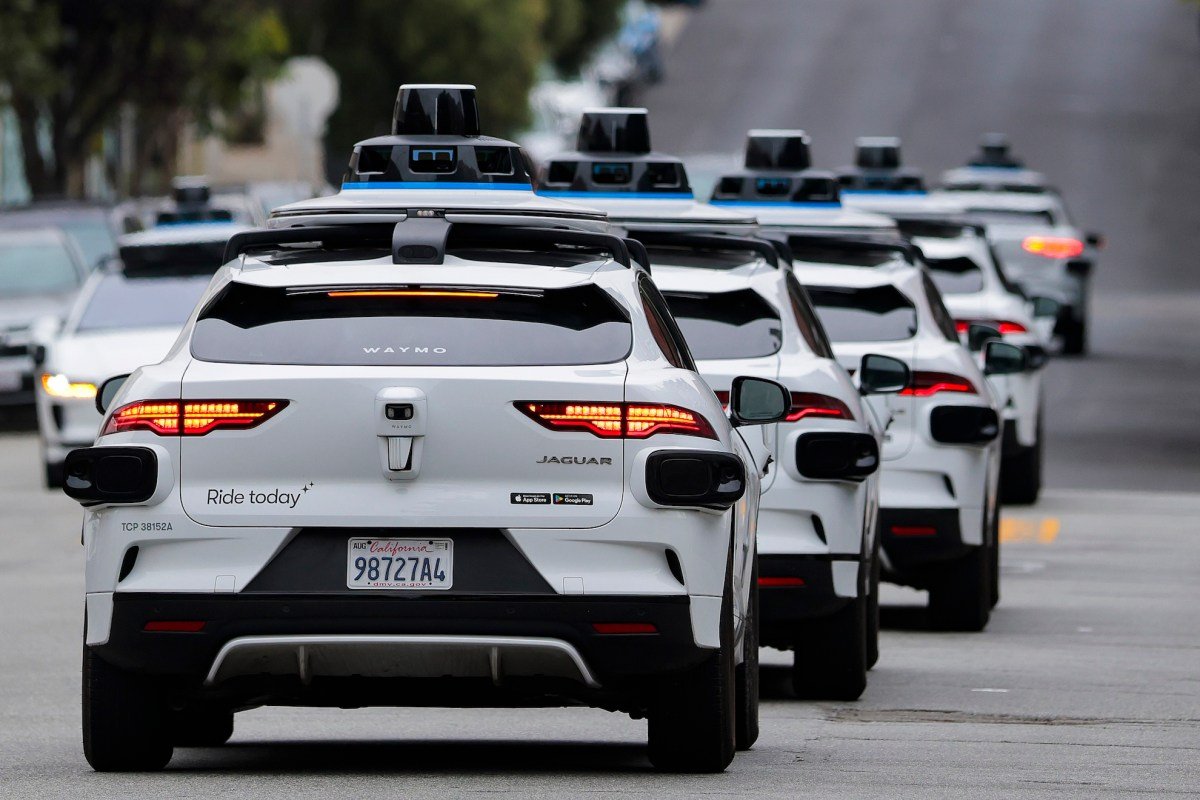

San Francisco’s burgeoning autonomous vehicle landscape faced a momentary disruption today as Waymo, Alphabet’s self-driving car company, temporarily paused its robotaxi service across the city. The one-hour suspension, attributed to a significant power outage affecting thousands of PG&E customers, has once again brought into sharp focus the operational resilience of driverless technology and the ongoing debate surrounding its regulation.
A City in Darkness: The Outage’s Impact
The incident unfolded around 12:30 PM PDT on July 18, 2026, when a widespread power outage left approximately 7,000 PG&E customers in San Francisco without electricity. In response, Waymo swiftly made “temporary adjustments” to its service. Customers attempting to hail a robotaxi were met with notifications stating that service was “temporarily paused” and “freeway routes are unavailable,” as evidenced by social media screenshots.
A spokesperson for the Alphabet-owned company initially stated, “We are making temporary adjustments to our service while we monitor local conditions. We know riders depend on us, and we will return to normal operations as soon as possible.” This cautious approach underscores the company’s commitment to safety and reliability, especially when external infrastructure is compromised.
Waymo’s Swift Response and Past Precedents
Further clarification from Waymo confirmed that the company “decided to pause service for approx. one hour to assess the scale of the power outage affecting a large portion of San Francisco and coordinate with local officials.” This proactive measure, while brief, highlights the complexities of integrating autonomous systems into dynamic urban environments.
This isn’t the first time Waymo’s operations have been impacted by city-wide disruptions. Previous incidents include a December blackout that saw several Waymo vehicles stall on city streets and a similar occurrence during a Fourth of July fireworks display near the Golden Gate Bridge, which led to traffic paralysis. These events serve as crucial case studies for understanding the vulnerabilities and necessary safeguards for autonomous fleets.
The Call for Stricter Autonomous Vehicle Regulations
The recurring nature of such incidents has not gone unnoticed by city leadership. San Francisco Mayor Daniel Lurie has been a vocal proponent for more robust state regulations, urging authorities to “adequately address how autonomous vehicles operate during major incidents, planned or not.” The Mayor’s call reflects a growing concern about public safety and the need for clear protocols when self-driving cars encounter unforeseen challenges like power failures, natural disasters, or large-scale public events.
As Waymo’s service in San Francisco has now fully resumed, the brief pause serves as a timely reminder of the intricate dance between cutting-edge technology, urban infrastructure, and regulatory oversight. The path to widespread autonomous vehicle adoption will undoubtedly involve continuous adaptation and collaboration between tech companies, city officials, and utility providers to ensure seamless and safe operation, even in the face of unexpected disruptions.
For more details, visit our website.
Source: Link