
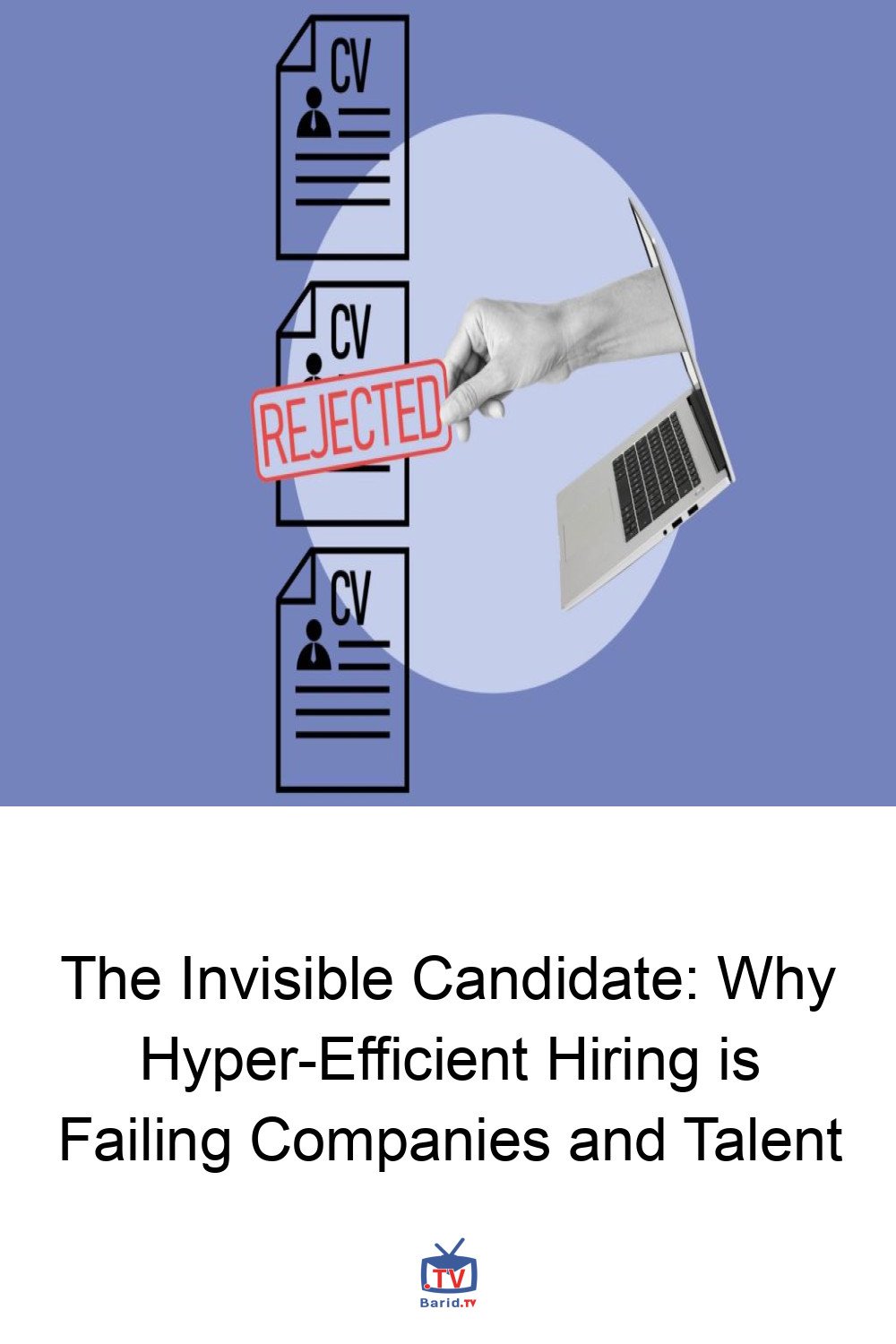
In the relentless pursuit of efficiency, modern hiring processes have inadvertently created a significant problem: the invisibility of the candidate. While companies strive to streamline recruitment, they often overlook the human element, leading to a disconnect that costs both talent and trust.
The Myth of the ATS Reject
A persistent myth in recruiting circles claims that 75% of resumes are automatically rejected by Applicant Tracking Systems (ATS) before a human ever sees them. This widely cited statistic, perpetuated by career coaches and online posts, has led job seekers to adopt often counterproductive strategies, like keyword stuffing or using invisible text to bypass algorithms. However, research suggests a different reality.
Interviews with 25 U.S. recruiters revealed that 92% of their systems do not automatically reject resumes based on content or formatting. The true gatekeeper isn’t a heartless algorithm, but an overwhelmed human recruiter. Faced with hundreds, sometimes thousands, of applications for a single role, recruiters often run out of time and stop reviewing once they’ve compiled a shortlist. This means a perfectly qualified candidate applying a few days after a job goes live might simply never be seen, not because of a technical rejection, but due to sheer volume.
Two Sides of the Invisibility Coin
The modern hiring landscape presents two distinct “invisibility problems,” and understanding them is crucial for meaningful improvement:
1. The Volume Challenge (Structural)
The sheer volume of applications, especially for entry-level or remote tech positions, is a structural issue that’s difficult for individual hiring managers to tackle. Roles attracting 400-600 applications, or even 2,000, mean recruiters spend mere seconds on initial reviews. This volume-driven screening, while efficient for the company, inherently makes many candidates invisible.
2. The Communication Breakdown (Controllable)
This is where companies have direct control, and where significant damage is being done. A recent Greenhouse study indicated that 46% of job seekers have lost trust in hiring processes over the past year, not due to rejection itself, but because of how they were treated. Generic confirmation emails, weeks of silence, or rejections sent before a posting even closes contribute to a profoundly negative candidate experience.
The cost of this poor communication is tangible: 26% of job seekers have declined job offers due to unclear expectations or inadequate communication during the process – not because of salary or the role itself. This erosion of trust is a long-term liability that’s hard to rebuild.
Rebalancing Automation and Human Touch
was designed to manage scale, not to replace human judgment entirely. While AI and ATS can certainly boost efficiency, saving teams roughly 20% of their work week, the critical question is how that saved time is utilized. LinkedIn’s research highlights a growing demand for “relationship development” skills in recruiters, underscoring that efficiency and genuine connection are not interchangeable.
Recruiting success, as SHRM consistently points out, lies in a strategic blend of automation and human oversight. When systems become overly reliant on keyword matching and rigid criteria, they risk filtering out precisely the candidates a hiring manager would value most. Experienced professionals with diverse backgrounds, those over 40 whose resumes might appear “overqualified,” or individuals in career transitions often find themselves silently sidelined because their unique experiences don’t fit a pre-programmed template.
The irony is stark: while companies optimize for speed, they inadvertently miss out on exceptional talent that doesn’t conform to a narrow digital pattern. By the time human nuance could make a difference, these valuable applications have often been discarded, lost in the pursuit of a flawed efficiency.
To truly optimize hiring, organizations must shift their focus from merely processing applications to genuinely engaging with potential talent, ensuring that efficiency doesn’t come at the cost of human connection and visibility.
For more details, visit our website.
Source: Link