




Amazon Navigates AI Investment Surge Amidst Q3 Earnings Miss
Amazon, the e-commerce and cloud computing giant, found itself under intense scrutiny after reporting third-quarter earnings and revenue that fell short of Wall Street’s expectations. The company’s shares experienced a significant dip in extended trading as investors reacted to the disappointing figures, particularly a ballooning negative free cash flow. This financial outflow, a staggering $42.4 billion over the trailing twelve months, is largely attributed to Amazon’s aggressive and costly investments in artificial intelligence infrastructure, signaling a strategic pivot with immediate financial implications.
The AI Investment Paradox: Cash Outflow vs. Future Growth
The core narrative of Amazon’s Q3 performance revolves around its substantial commitment to AI. While the company’s overall earnings per share came in at $1.89 against an estimated $1.96, and total revenue reached $201.94 billion compared to a $202.31 billion forecast, the most striking figure was the negative free cash flow. This $42.4 billion outflow marks the second consecutive quarter of negative cash flow, representing a dramatic 386% year-over-year swing. The primary driver? A massive increase in capital expenditures (capex), which surged to $77.3 billion for the quarter, far exceeding analysts’ estimates of $58.7 billion and a significant jump from $35.1 billion a year prior.
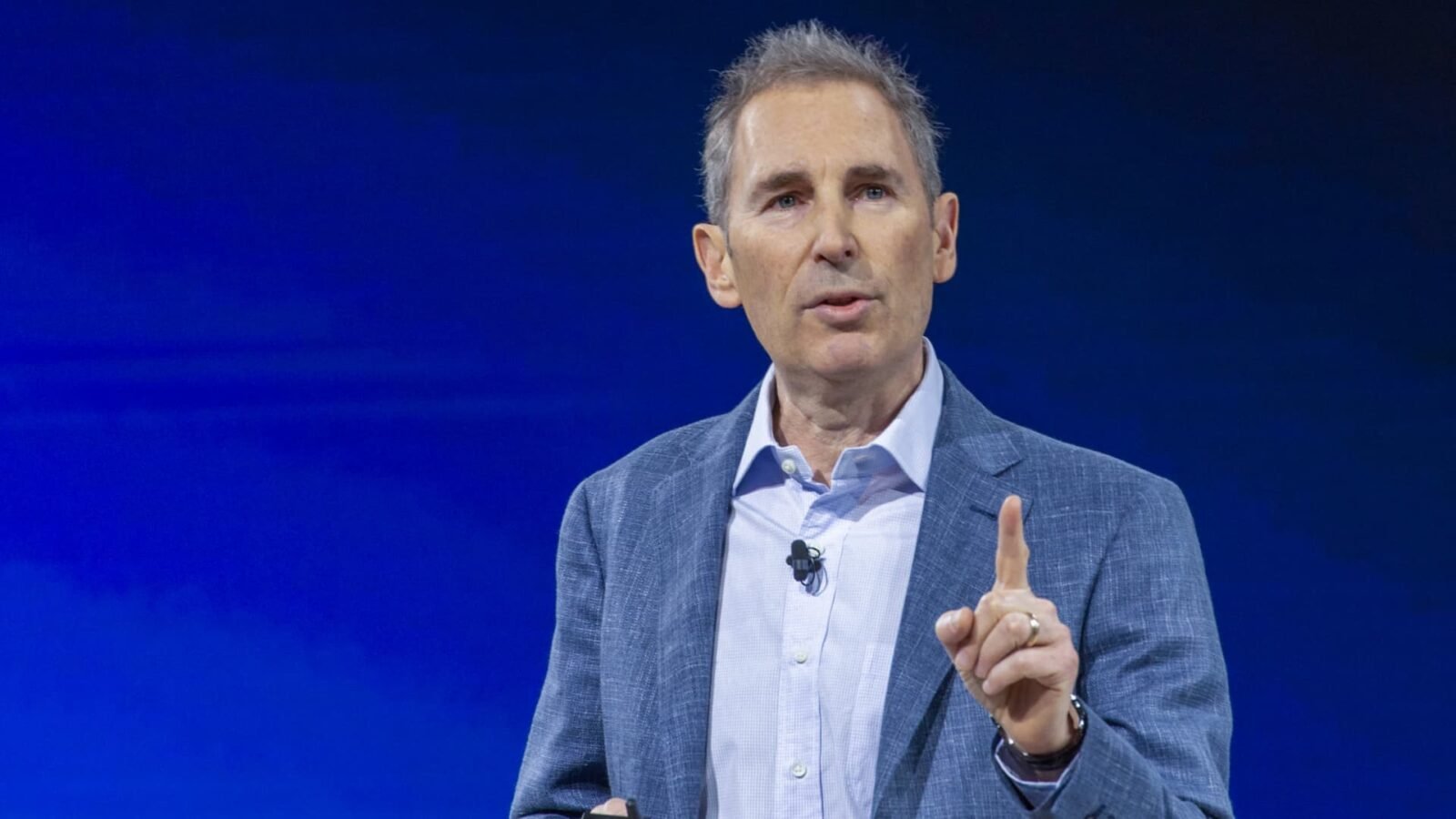
Despite this immediate financial hit, Amazon remains steadfast in its long-term vision. The company maintained its 2026 capital expenditure forecast at $220 billion, signaling an unwavering commitment to building out its AI capabilities. This stance contrasts with some peers, like Microsoft, which recently lowered its capex forecast, while Alphabet held steady. CEO Andy Jassy articulated a clear line of sight to attractive financial returns, indicating expectations to “spend meaningfully more in 2027” and beyond, underscoring the strategic importance of these investments.
AWS: A Beacon of Strength Amidst Broader Challenges
Amidst the broader financial misses, Amazon Web Services (AWS) emerged as a standout performer. The cloud segment’s revenue soared 39% year-over-year to $45.98 billion, surpassing the consensus forecast of $45.29 billion. This robust growth highlights AWS’s continued dominance and its critical role in Amazon’s future. Jassy emphasized the acceleration of AWS, projecting revenue growth rates of “over 40%” in the coming years and confidently stating that AWS is on track to become a $1 trillion revenue business within the next five to ten years.
Amazon is actively showcasing how its AI investments are bolstering AWS, pointing to the growing traction of its AI model marketplace, Bedrock, and its proprietary Trainium and Graviton AI chips. Jassy noted that the company’s chips business continues to grow at triple-digit percentages annually, with plans to make Trainium chips externally available by late 2027, further solidifying AWS’s position as a leader in AI infrastructure.
Retail and Advertising: Areas for Concern
While AWS shone brightly, Amazon’s traditional retail and advertising segments presented a more subdued picture. Online sales, still the company’s largest revenue unit, grew a modest 2% year-over-year to $68.47 billion, falling short of analysts’ projections and marking a slowdown from the nearly 10% growth seen a year ago. Similarly, advertising revenue, despite an 11% year-over-year increase to $19.64 billion, missed StreetAccount consensus estimates.
These segments were partly impacted by Amazon’s decision to shift its annual Prime Day sale forward in several countries, moving it out of the typical third-quarter reporting period. However, the slower growth rates underscore the ongoing challenges in the highly competitive e-commerce and digital advertising landscapes.
Looking Ahead: Q4 Guidance and Strategic Vision
Amazon’s guidance for the fourth quarter, typically its strongest due to the holiday shopping season, projected revenue between $240 billion and $247 billion. The midpoint of this forecast came in slightly below Wall Street’s expectations, suggesting a cautious outlook despite the seasonal boost.
Overall, Amazon’s Q3 results paint a picture of a company in transition. While the immediate financial metrics reflect the significant capital outlay required for its ambitious AI strategy, the strong performance of AWS and CEO Jassy’s confident long-term projections indicate a strategic commitment to future growth, even if it means navigating a period of increased spending and investor scrutiny.
For more details, visit our website.
Source: Link







Leave a comment