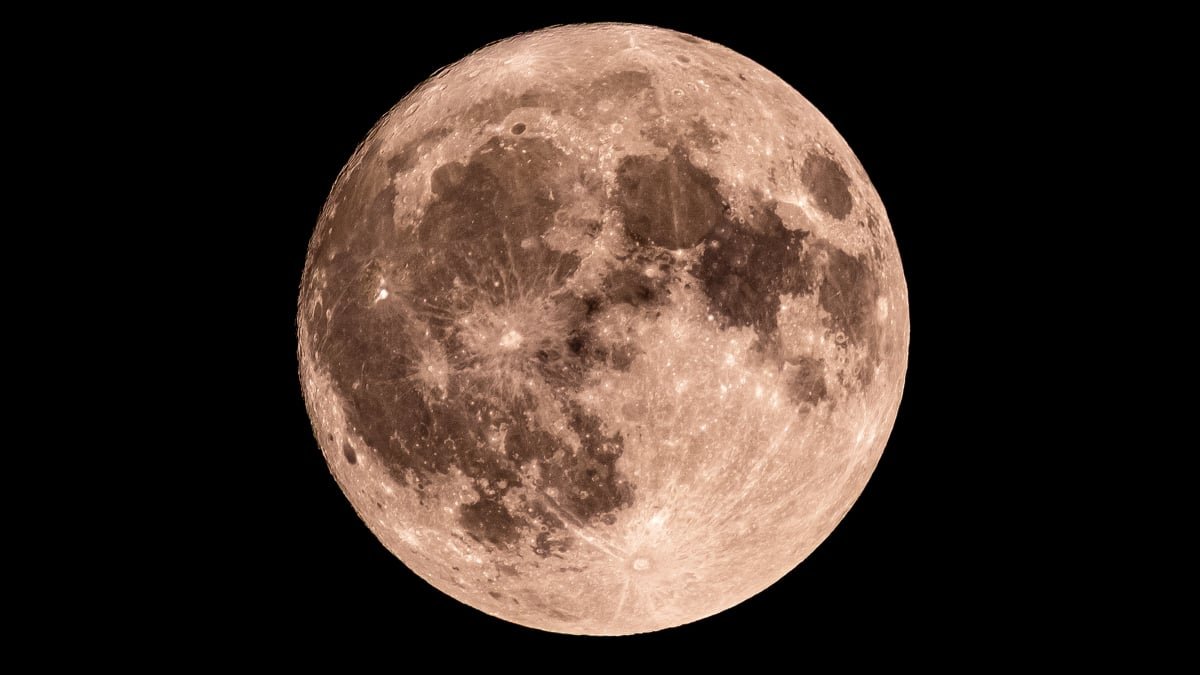

The celestial ballet above us is a constant source of wonder, with our Moon undergoing a mesmerizing transformation each night. This ever-changing spectacle is a direct result of the lunar cycle, a cosmic dance that dictates its appearance and visibility. As of July 5th, we find ourselves deep into this 29.5-day journey, specifically on day 20, drawing ever closer to the captivating Third Quarter phase.
Tonight’s Lunar Portrait: The Waning Gibbous
For those gazing skyward on Sunday, July 5th, NASA’s Daily Moon Guide confirms the Moon is gracefully positioned in its
Waning Gibbous phase. A substantial 75% of its luminous surface will be visible, offering a prime opportunity for observation.
What to Spot with Your Own Eyes:
- Mare Vaporum: A dark, smooth plain, once believed to be a sea.
- Aristarchus Plateau: A distinctive, bright geological feature.
- Tycho Crater: A prominent impact crater with a striking ray system.
Enhance Your View with Binoculars:
For a more detailed encounter, binoculars will bring additional wonders into focus:
- Mare Humorum:
Another ancient lunar sea, rich in history.
- Alphonsus Crater: A large impact crater with a central peak.
- Grimaldi Basin: A dark-floored basin, notable for its low reflectivity.
A Telescope’s Glimpse into History:
With the aid of a telescope, the lunar landscape truly comes alive, revealing even more intricate details and historical landmarks:
- All features visible with the naked eye and binoculars.
- Apollo 16 Landing Spot: Trace the footsteps of human exploration.
- Schiller Crater: An unusually elongated impact crater.
- Fra Mauro Highlands:
A region of significant geological interest, visited by Apollo 14.
Decoding the Lunar Cycle: Earth’s Constant Companion
The Moon’s apparent shape-shifting is a fundamental aspect of its lunar cycle
. According to NASA, our natural satellite completes one full orbit around Earth approximately every 29.5 days. During this journey, it progresses through eight distinct and recognized phases. While the same side of the Moon perpetually faces our planet, the amount of its surface illuminated by the Sun varies as it orbits. This dynamic interplay of light and shadow creates the familiar progression from slender crescents to quarter moons, culminating in the brilliant Full Moon, before receding once more.
The Eight Phases of the Moon: A Celestial Journey
Understanding these phases enriches our appreciation of the night sky:
- New Moon: Positioned between Earth and the Sun, the side facing us is unilluminated, rendering it invisible.
- Waxing Crescent: A delicate sliver of light emerges on the right side (for observers in the Northern Hemisphere).
- First Quarter: Half of the Moon’s face is illuminated on the right, appearing as a perfect half-Moon.
- Waxing Gibbous: More than half is lit, but it hasn’t yet reached its full brilliance.
- Full Moon: The entire lunar face is bathed in sunlight, presenting a fully illuminated disc.
- Waning Gibbous: The illumination begins to recede from the right side (Northern Hemisphere).
- Third Quarter (or Last Quarter): Another half-Moon, but now the left side is brightly lit.
- Waning Crescent: A thin arc of light remains on the left before the Moon once again becomes dark, completing the cycle.
Mark Your Calendars: The Next Full Moon
For those eagerly anticipating the next grand lunar display, the upcoming Full Moon is slated for July 29th. Prepare for another spectacular night under its radiant glow.
For more details, visit our website.
Source: Link