
The Hidden Dangers in Your Salad Bowl
The quest for fresh, healthy produce often leads us to the grocery store, yet a disquieting truth lingers: commercially produced greens aren’t always safe. While experts suggest the immediate threat of lettuce-borne cyclospora from this summer may be receding, with Taylor Farms de Mexico’s iceberg lettuce identified as a likely source, the broader issue of foodborne illnesses remains a persistent concern.
The Food and Drug Administration (FDA) consistently reports cluster outbreaks of cyclosporiasis and salmonellosis, with recent incidents potentially linked to common staples like parsley and cilantro. For consumers, this raises a fundamental question: if you’re not cultivating your own food, can you truly know its origins or what contaminants might be present?
Cultivating Control: The Rise of Indoor Hydroponics
In an era where food safety is paramount, taking control of your food source has become an increasingly attractive solution. Indoor gardening, particularly through hydroponic systems, offers a compelling alternative to relying solely on commercial supply chains. It provides a direct path to fresh, organic produce, empowering individuals and families to grow their own greens, herbs, and even vegetables right at home.
The Lettuce Grow Farmstand: A Case Study in Home Cultivation
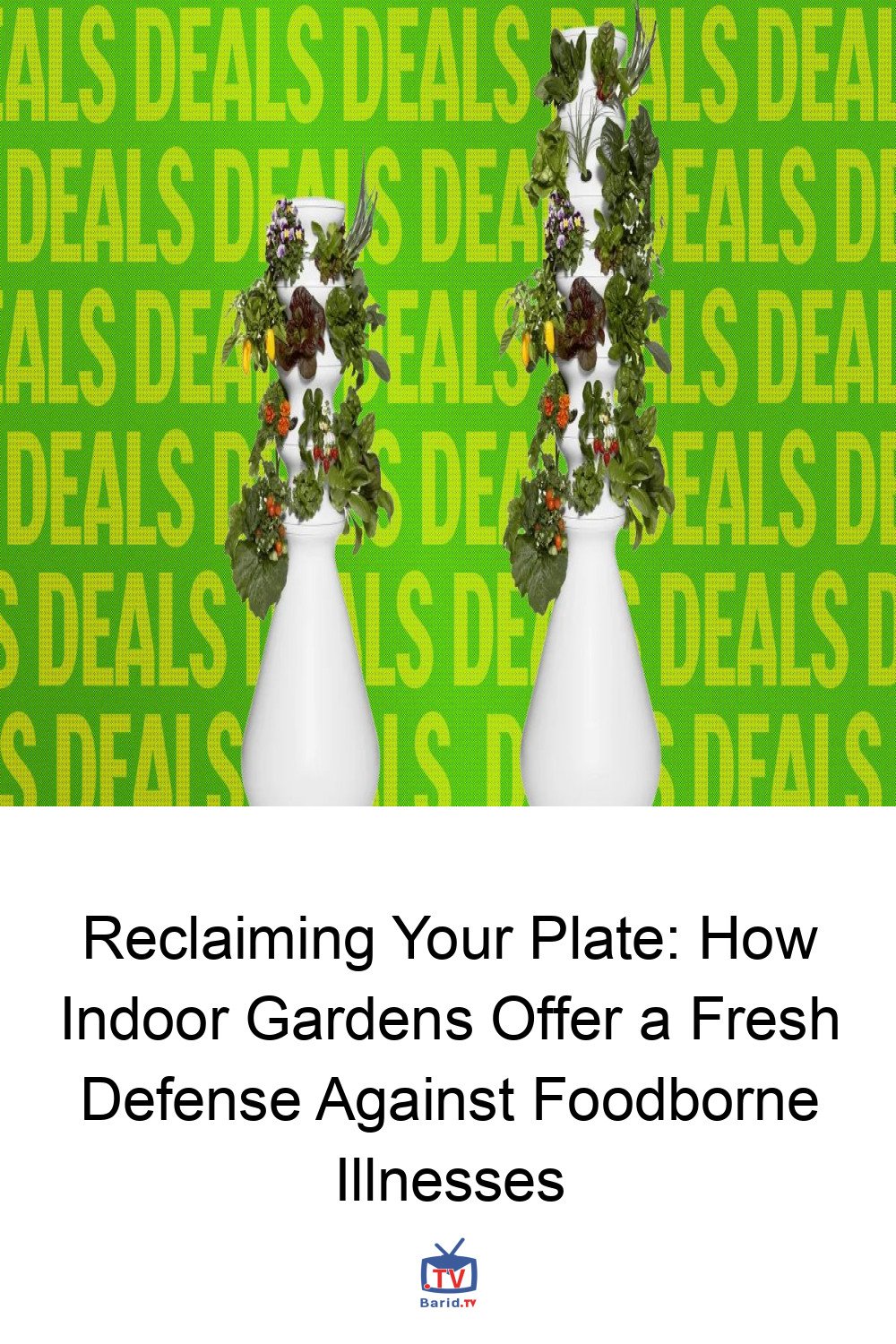
For nearly two years, one such innovative system, the Lettuce Grow Farmstand, has transformed a living room into a thriving organic garden. This vertical, hydroponic setup has proven capable of producing a consistent bounty of salad greens, herbs, and even larger vegetables like beans and zucchini, significantly reducing the need for grocery store purchases for a family of three.
in a full-size indoor garden like the Farmstand is a commitment, but one designed for long-term returns. Its water pump and LED lighting system operate with minimal energy consumption, ensuring that the environmental footprint and utility costs remain low. Each Farmstand typically comes equipped with an initial round of seedlings and sufficient nutrients to kickstart several growth cycles, streamlining the entry into home cultivation.
Addressing Common Concerns: Pests and Maintenance
New gardeners often worry about pest management, a valid concern in any growing environment. However, advancements in indoor gardening practices and product support have largely mitigated these issues. For instance, the recommendation to quarantine and treat new seedlings upon arrival has proven effective in preventing pest problems, ensuring a healthy and productive harvest.
Empowering a Healthier Future
The ability to grow your own food offers more than just fresh ingredients; it provides peace of mind. By embracing indoor gardening, consumers can bypass the uncertainties of commercial produce, ensuring that what lands on their plate is safe, nutritious, and cultivated with care. It’s a step towards greater self-sufficiency and a healthier, more transparent food future.
For more details, visit our website.
Source: Link