
“Not until we are lost do we begin to find ourselves.” – Henry David Thoreau
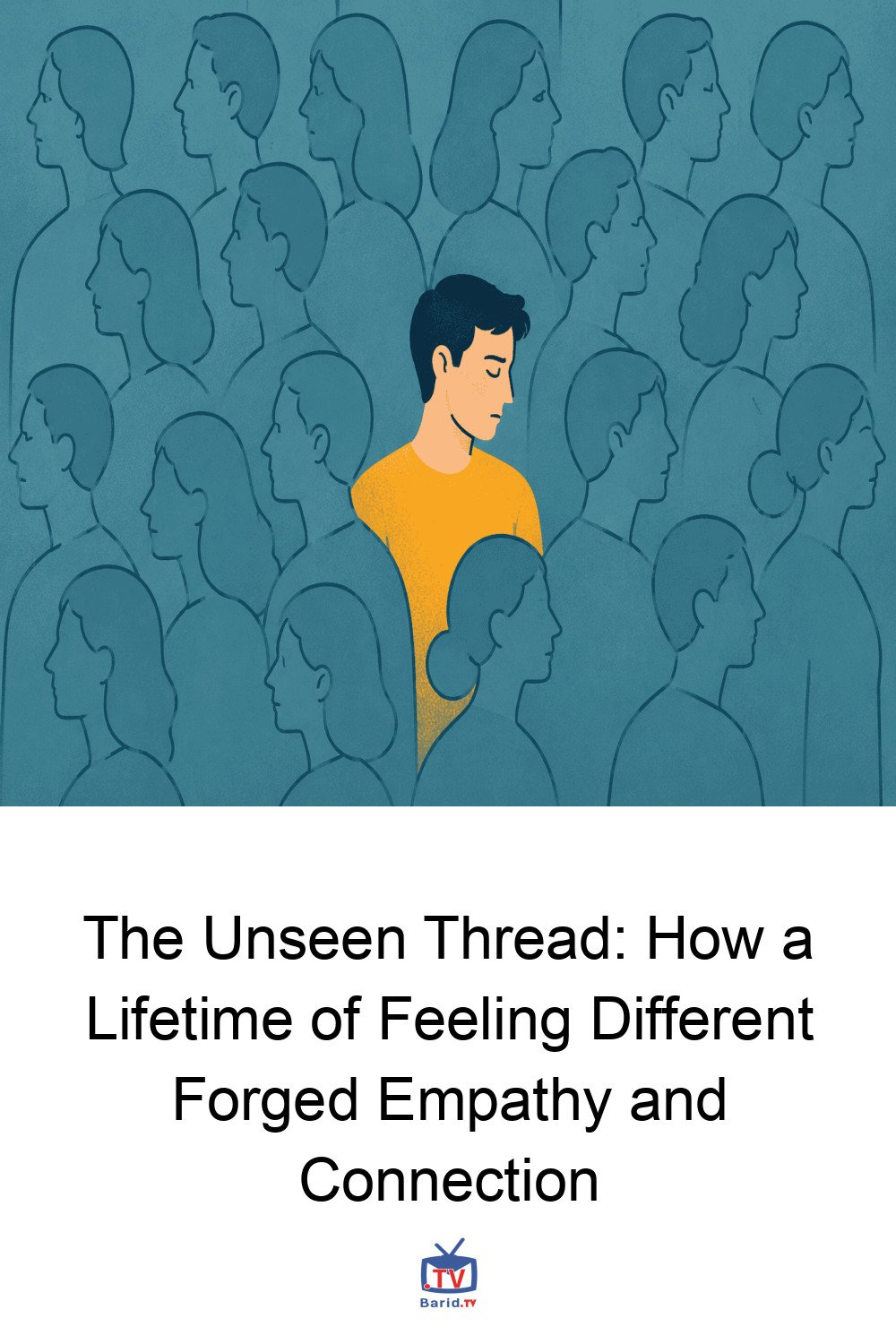
For much of my life, I’ve felt like an observer, perpetually standing just beyond the warmth of the inner circle. This pervasive sense of being an outsider, looking in, became a powerful, albeit unconscious, driver. It fueled a relentless pursuit of validation, a desire to earn my place through sheer effort and demonstrable excellence. I yearned to be the kind of individual whose presence was genuinely welcomed, whose absence was noted.
The Relentless Pursuit of Acceptance
This longing manifested in various forms. On the sports field, I pushed for spectacular plays, hoping to elicit roars of appreciation from the stands. With my bass guitar, I dreamt of performances so electrifying they would resonate deep within the audience. Professionally, I dedicated myself to becoming an exceptional educator, one capable of truly transforming lives. These aspirations, while deeply authentic – born from a genuine love for the game, the allure of music, and the profound satisfaction of teaching – were inextricably woven with a profound yearning for connection. Each ambition, as it materialized, was met with my full commitment. Yet, what I discovered within these achievements was an unexpected truth: the sense of belonging I so desperately sought could not be willed into existence from the outside.
A Moment of Unfiltered Truth: The Philadelphia Plunge
The weight of this unspoken quest accompanied me to Philadelphia in my early twenties, an unconscious passenger on my journey to graduate school. One frigid evening, a friend led me to a backyard party, a convivial gathering of close-knit individuals around a swimming pool. As conversations flowed effortlessly around me, I drifted from one small group to another, a silent seeker, desperately searching for an entry point. My efforts proved futile. After an hour or so, standing at the pool’s edge, an inexplicable impulse took hold. Without a second thought, I stepped into the deep end, fully clothed. The icy water enveloped me, holding me captive for a few long seconds. My friend’s embarrassment was palpable; I, however, felt a strange numbness. The silent drive home, my clothes clinging, offered no immediate answers.
That memory lingered for three decades, resurfacing periodically, a painful and perplexing enigma. Beneath its strangeness lay a deeper layer of embarrassment, one I lacked the courage to confront directly. This shame transcended the act itself, concealing a truth I had hidden even from myself: the raw intensity of my desire to belong that night, and the profound vulnerability that desire had exposed.
From Shame to Understanding: The Universal Need for Belonging
For years, I carried the burden of that night, mistakenly believing that the fundamental human need to be seen and valued was a personal weakness or character flaw. It took decades for the profound realization to dawn: the need itself was never the problem. A recent insight illuminated this further: for the vast majority of human history, our ancestors lived in small, interdependent bands of twenty to fifty individuals. Within such groups, one’s place was paramount, dictating survival, protection, and the well-being of one’s children. Compelling research also reveals that the brain processes the pain of social exclusion through the very same neural pathways activated by physical injury. My impulsive plunge, while undeniably peculiar, was an ancient, primal response to a deeply ingrained human imperative.
The Biology of Connection
Researchers now categorize the need to belong alongside fundamental physiological drives like hunger and thirst – universal human requirements, whether consciously acknowledged or not. This profound understanding eluded me that night in Philadelphia. Through years of painful introspection, I’ve come to terms with the fact that my yearning wasn’t shameful neediness; it was the raw, unadulterated loneliness of a young man lost in a crowd. In that pivotal moment, I believe I chose a rejection I could control over one I couldn’t. The cold water, at least, was honest. It made no pretense of acceptance, and if I was to be an outcast, I would embrace that reality fully.
Empathy Forged in Isolation
The humiliation I experienced, both at the party and in the subsequent decades of reflection, was, I now understand, an integral part of my journey toward becoming the person I was always meant to be. Because I intimately know the sting of feeling unseen and the shame it can bring, I am uniquely positioned to recognize and respond to that same struggle in others. Having lived so close to the ache of isolation, I cannot mistake it for something else, nor can I look past it when another soul is suffering. Thirty years have provided ample time for the intricate patterns of my life to coalesce into clarity. What I now see is that the very feeling I spent so long attempting to escape ultimately granted me an invaluable insight: in myriad ways, we all share the fundamental need for belonging.
Today, whether I enter a bustling party, a family gathering, or a professional environment, my gaze instinctively seeks out the person standing alone. The one whose laughter is a touch too eager for a joke that wasn’t quite that funny. The one tethered to their phone, finding solace in its screen rather than navigating the awkwardness of purposeless stillness. The one who arrived with a flicker of hope that tonight might be different, and who is already beginning to feel the familiar chill of disappointment.
For more details, visit our website.
Source: Link