

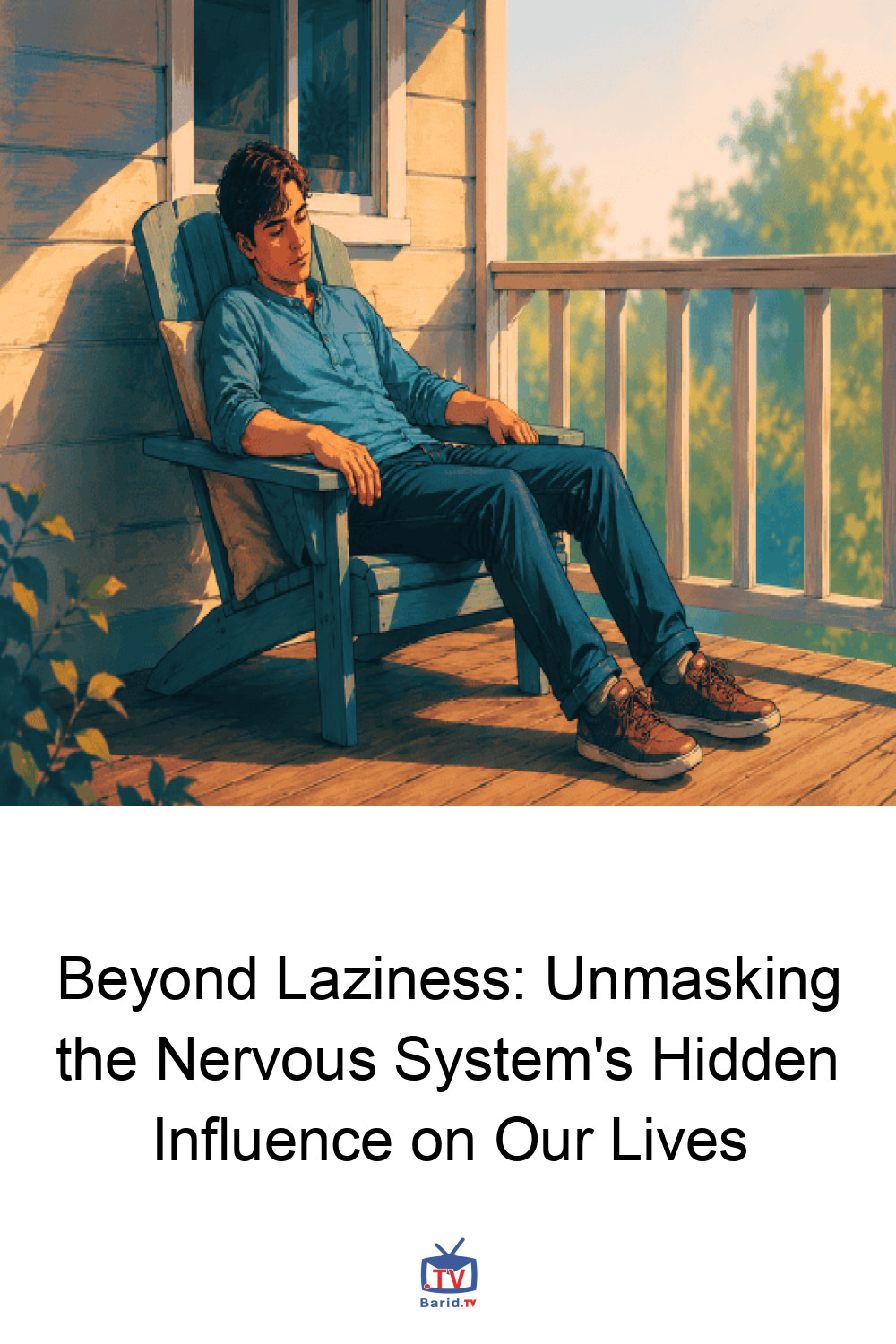
“The curious paradox is that when I accept myself just as I am, then I can change.” — Carl Rogers
I recall an evening, observing my sons engrossed in play. One wrestled with a collapsing Lego creation, his frustration mounting with each failed attempt. While the exact words he uttered have faded, the raw emotion I witnessed struck a profound chord within me. It was a frustration I knew intimately, a feeling that had shadowed much of my life: the fervent desire to achieve something, yet an inexplicable inability to maintain the inner steadiness required for consistent effort. For years, I, like many others, simply labeled this ‘laziness’.
Unpacking the Roots: A Childhood Shaped by Unpredictability
My formative years were marked by an unsettling unpredictability. My father’s heavy drinking cast a long shadow, creating an palpable tension that often preceded his very presence. This emotional landscape, though punctuated by moments of ordinary joy – summer football with friends, shared TV time with my brother, the comforting aroma of morning coffee – was anything but ordinary. This blend of normalcy and underlying instability left me confused for decades. I didn’t identify with “real trauma,” believing it belonged to others whose suffering seemed more overt. Yet, beneath the surface, my body was in a constant state of stress response, a reality I remained oblivious to.
The Adult Echoes: When Survival Patterns Persist
As I matured, the patterns of my youth began to manifest in new ways. I too turned to alcohol, followed by periods of drug use, chaotic decisions, and profound disorientation. There were times I appeared perfectly functional, even thriving under pressure, often outperforming peers in high-stakes situations. This paradox only deepened my confusion: why could I excel in crisis, yet struggle immensely with the mundane – folding laundry, answering emails, maintaining emotional presence, or simply adhering to daily routines? The quiet, repetitive tasks of everyday life felt inexplicably exhausting, a burden I carried with immense shame, particularly after becoming a father.
Parenthood brought a new lens to my self-perception. Moments of swift emotional reaction, overwhelming feelings, or sudden motivational collapse left me questioning: “What is fundamentally wrong with me?” For years, I attributed these struggles to a lack of discipline, convinced that sheer willpower was the missing ingredient.
The Neuroscience Revelation: From Blame to Understanding
Beyond Discipline: The Brain’s Adaptive Blueprint
My quest for answers eventually led me down a different path. Driven by a desperate need to understand why life felt harder for me than for others, I immersed myself in the study of stress, dopamine, motivation, and nervous system regulation. Slowly, the pieces began to connect, not as excuses, but as profound understanding.
I learned that the brain is an incredibly adaptive organ, particularly during childhood. When environments are characterized by repeated stress, unpredictability, emotional tension, overstimulation, or chaos, the nervous system reorganizes itself around these conditions. It learns to prioritize survival, often before it ever truly learns safety. Many adults, I now believe, mistakenly label themselves ‘lazy’ when they are, in fact, operating from a nervous system still wired for survival, even long after their external circumstances have stabilized.
These deeply ingrained survival patterns don’t simply vanish. They can subtly infiltrate relationships, parenthood, professional life, motivation, and even our capacity for rest. They manifest in a constant craving for noise, stimulation, food, alcohol, endless scrolling, conflict, or distraction – anything to avoid stillness. I still find myself falling into these patterns, especially in moments of quiet reflection.
A New Paradigm for Parenting and Self-Acceptance
The true transformation wasn’t about achieving some mythical state of perfect healing. Instead, it was about learning to halt the immediate judgment, to stop labeling every struggle as a character flaw. Now, I approach these moments with curiosity: “What is this reaction? Why does my body respond this way? What did my nervous system learn years ago that it still believes I need today?”
This fundamental shift has profoundly impacted my approach to parenting. Children are constantly learning from their experiences, not just our words, but the consistent emotional texture of their environment. I reflect on this often, no longer with guilt, but with a newfound sense of responsibility. And perhaps, that is the most significant difference of all.
Patrick Dahlstrom is the founder of Hope for Families, a neuroscience-informed platform focused on dopamine, motivation, emotional regulation, and early prevention in children and families.
For more details, visit our website.
Source: Link