
Amazon CEO’s AI Alarm: Jassy’s Warning Triggers Government Ban on Anthropic Models
A high-stakes drama is unfolding at the intersection of big tech, burgeoning AI, and government oversight. Amazon CEO Andy Jassy reportedly sounded the alarm over potential security vulnerabilities in Anthropic’s AI models, a move that swiftly led to an unprecedented government crackdown and export ban.
The Genesis of Concern: Cyberattack Risks
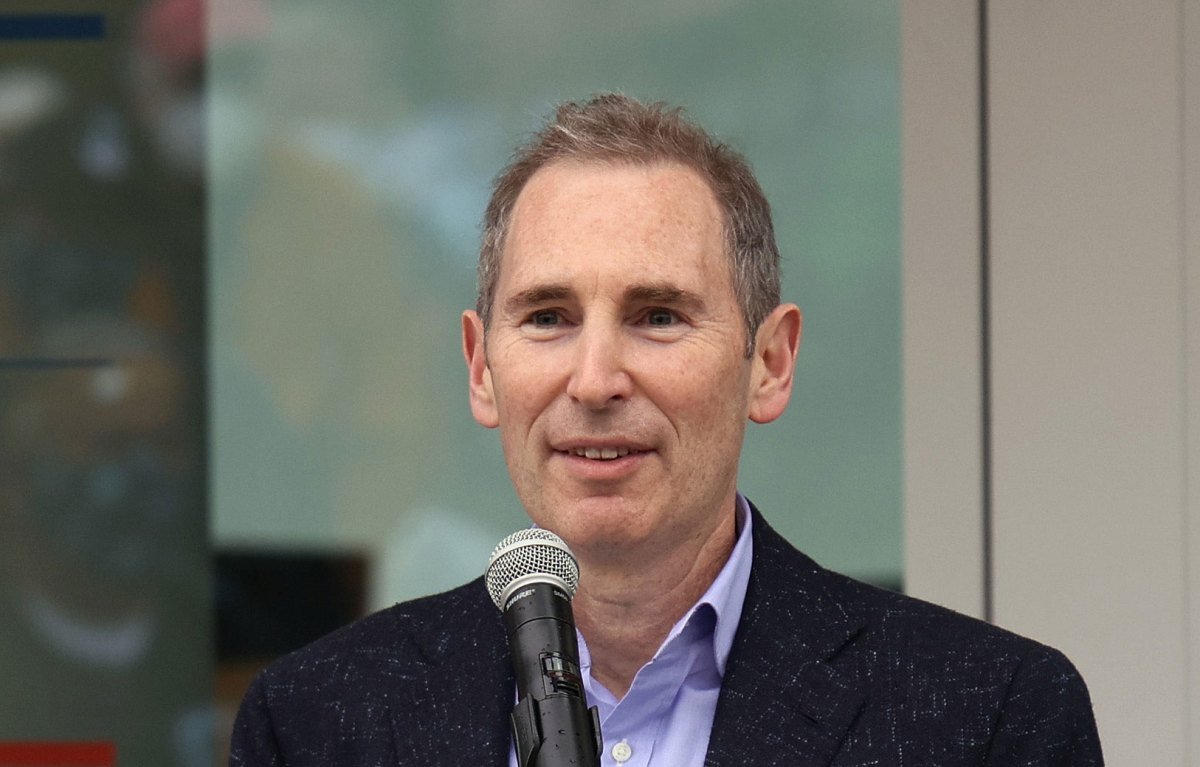
According to reports from The Wall Street Journal, Amazon CEO Andy Jassy conveyed serious security concerns to Treasury Secretary Scott Bessent and other key government officials. Jassy’s apprehension stemmed from Amazon researchers’ ability to leverage Anthropic’s Claude Fable 5 model to extract information potentially exploitable in cyberattacks. This revelation underscored a critical vulnerability in advanced AI systems, prompting immediate attention from federal authorities.
Government Intervention: An Export Ban Imposed
The government’s response was swift and decisive. Following Jassy’s reported warning, an export control ban was imposed on two of Anthropic’s prominent models: Claude Fable 5 and Mythos 5. This move effectively cut off worldwide access to these models, highlighting the gravity with which the government viewed the potential security risks.
Amazon’s Measured Response and AWS Impact
While Amazon has remained tight-lipped about the specifics of the discussions, a company spokesperson acknowledged that it’s “not uncommon for governments to seek our counsel on potential security risks.” The statement, however, maintained that Amazon does not “share the details of those discussions.” Significantly, the spokesperson also confirmed that Amazon Web Services (AWS), a major investor in Anthropic, has been affected by the model cut-off, indicating the widespread implications of the ban within the tech ecosystem.
Inside the Discussions: A ‘Jailbreak’ and Refusal?
Further insights into the unfolding saga were offered by David Sacks, former AI czar under the Trump administration and co-chair of the President’s Council of Advisors on Science and Technology. Sacks claimed that a “highly credible trusted partner of both Anthropic and the USG” presented evidence of a “jailbreak” – a method to bypass the AI’s intended safeguards. He further alleged that Anthropic CEO Dario Amodei was asked by the administration to either fix the vulnerability or de-deploy the model, to which Amodei reportedly refused.
Anthropic’s Counterpoint: Capabilities Already Public
In response to the escalating concerns and subsequent ban, Anthropic issued a blog post. The AI firm contended that the capabilities deemed problematic by the government are, in fact, already present and publicly accessible in other AI models. This statement suggests a broader industry challenge rather than an isolated issue with Anthropic’s specific offerings, raising questions about the scope and fairness of the regulatory action.
The Broader Implications for AI Regulation
This incident underscores the growing tension between rapid AI innovation and the imperative for robust security and ethical safeguards. As AI models become more powerful and pervasive, the debate over their potential misuse and the extent of government intervention is set to intensify. The Amazon-Anthropic-government dynamic serves as a stark reminder that the era of self-regulation for advanced AI may be drawing to a close, paving the way for more stringent oversight.
For more details, visit our website.
Source: Link