
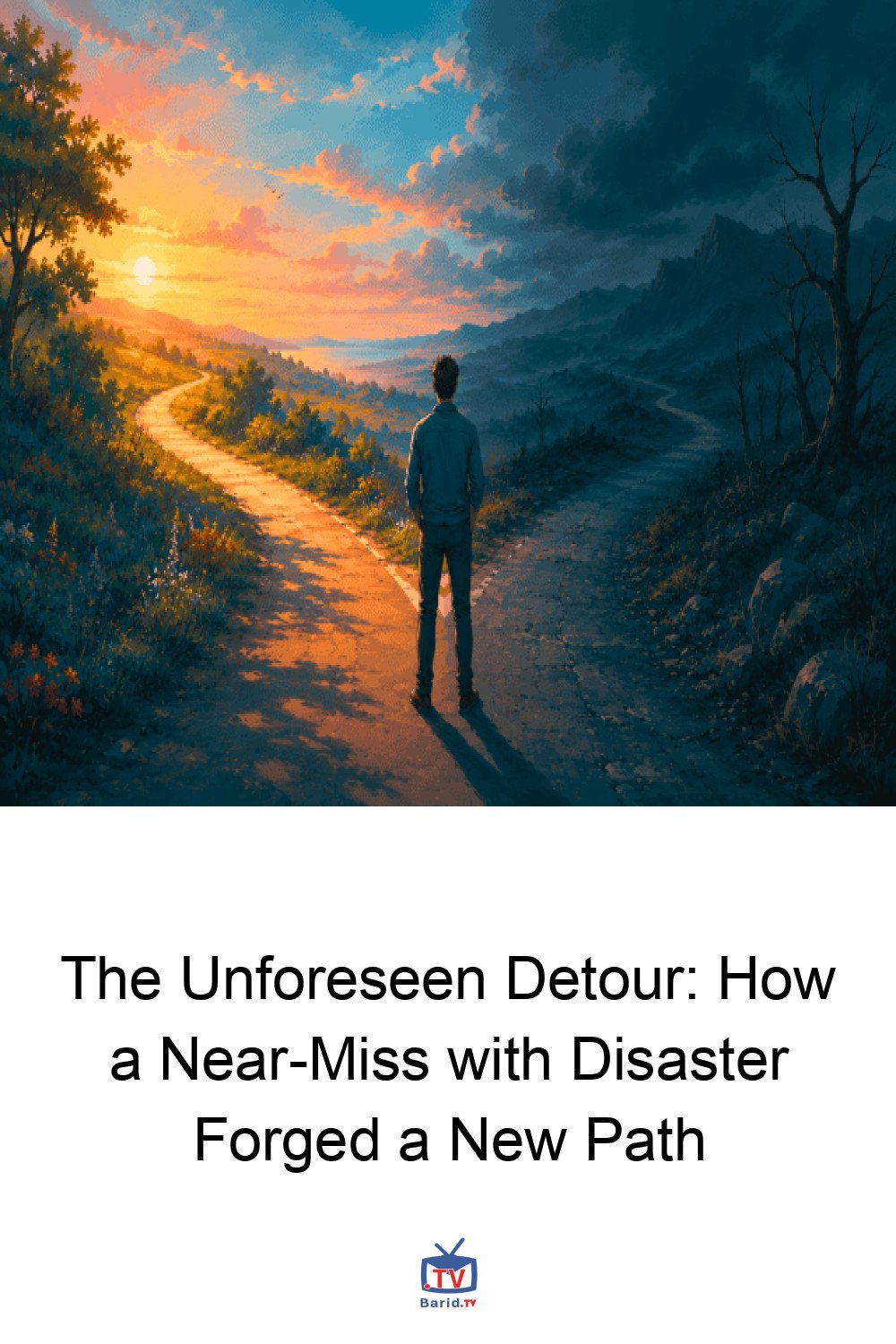
“Only when we realize that our time is limited do we begin to appreciate the value of every single day.” Elisabeth Kübler-Ross’s profound words resonated with me long after a Christmas holiday in Sri Lanka took an unimaginable turn. What began as an anticipated eco-tour in December 2003 swiftly transformed into a harrowing encounter with mortality, ultimately reshaping the very fabric of my existence.
An Ill-Fated Beginning: Sickness on Christmas Eve
My journey to Sri Lanka was meant to be a festive escape, a long-awaited adventure across the island’s diverse landscapes. Yet, as the flight touched down on Christmas Eve, an insidious discomfort began to brew. What I initially dismissed as typical travel-induced malaise soon escalated into a searing, persistent pain in my lower back. By the time I reached my first hotel, the idyllic anticipation had dissolved into a stark realization: something was gravely wrong.
A doctor’s visit confirmed a severe kidney infection, confining me to a darkened bungalow on Christmas Day. The sounds of joyful holidaymakers outside only amplified my isolation and discomfort. The following morning, a note under my door offered a reprieve: the hotel manager, aware of my condition, had arranged for me to stay behind while the tour commenced. But the thought of missing out, of succumbing to illness when adventure beckoned, was unbearable. Against better judgment, and armed with strong medication, I made the fateful decision to join the tour.
There was no premonition, no whisper of the monumental significance this seemingly ordinary choice held. It was simply a desire not to be left behind, a stubborn refusal to let illness dictate my holiday. Little did I know, this decision would be the thin line between life and an unimaginable fate.
The Unfolding Catastrophe: News from Afar
As our tour ventured inland, the initial days passed without incident. It wasn’t until the second day that an unsettling anomaly appeared. A television screen flickered with foreign news footage – images of destruction, surging water, and widespread confusion. The word “tsunami” was uttered, accompanied by a vague mention of Thailand. Our guide offered reassurances, but a growing unease permeated the group.
Slowly, fragments of information began to trickle through. Only a handful of us possessed mobile phones, and they buzzed with increasingly frantic messages. Friends and family back home were reporting us as “missing.” The confusion was profound; how could we be missing when we were right here, traveling through Sri Lanka?
Then, a call to a friend in the UK shattered the illusion of safety. Her tearful voice, repeating “Thank God… thank God,” painted a chilling picture. The hotel we had so recently departed, the very bungalow where I had spent Christmas Day, had been engulfed by the devastating 2004 Indian Ocean tsunami. The scale of the tragedy was still emerging, but the terrifying truth was undeniable: we had been in the direct path of annihilation, and by a twist of fate—my inconvenient illness—we were spared.
There was no dramatic escape, no heroic struggle. Just a quiet, profound understanding that our lives had hung by the slenderest of threads. The immediate relief of confirming our safety with loved ones was immense, yet it was quickly followed by a deep, sobering realization of what could have been.
A New Lens: Life After the Brink
The remainder of our trip was irrevocably altered. As a group, we felt compelled to offer what little assistance we could to the affected communities. It felt insignificant against the backdrop of such immense devastation, but the act of trying held its own importance.
Returning home, I was unprepared for the outpouring of concern. Messages, calls, and the sheer number of people who had genuinely feared for my life were overwhelming. Acquaintances I hadn’t spoken to in years had followed the news, desperate for confirmation of our safety. It was an emotional homecoming, not just for the trauma averted, but for the profound revelation of how deeply I was cared for.
This experience didn’t just highlight the fragility of life; it illuminated the interconnectedness of human compassion. Being, even briefly, on the other side of loss—being someone people thought they might have lost—shifted my perspective in a way nothing else could. It wasn’t a sudden epiphany, but a gradual, persistent turning.
From Survival to Service: A Life Reimagined
Over time, this shift became the compass of my life. My priorities realigned; what truly mattered, where my energy was directed, and what constituted genuine importance became crystal clear. I found myself drawn to humanitarian work, a path I had never seriously considered before.
This calling eventually led me back to Southeast Asia, where I spent years volunteering and collaborating with communities in Thailand, Cambodia, and Vietnam. One particularly poignant experience involved an invitation to live and work in a Buddhist monastery, supporting blind students. These weren’t grand, instantaneous decisions, but rather a series of quiet, deliberate steps, each one a testament to the profound transformation sparked by that fateful Christmas in Sri Lanka.
Looking back, the true turning point wasn’t the tsunami itself, but the inconvenient illness I resisted, the discomfort I tried to push through. It was the seemingly insignificant choice to prioritize adventure over rest that, paradoxically, saved my life and set me on an entirely new, deeply meaningful trajectory. It was a reminder that sometimes, the greatest blessings arrive in the most unexpected and unwelcome disguises.
For more details, visit our website.
Source: Link