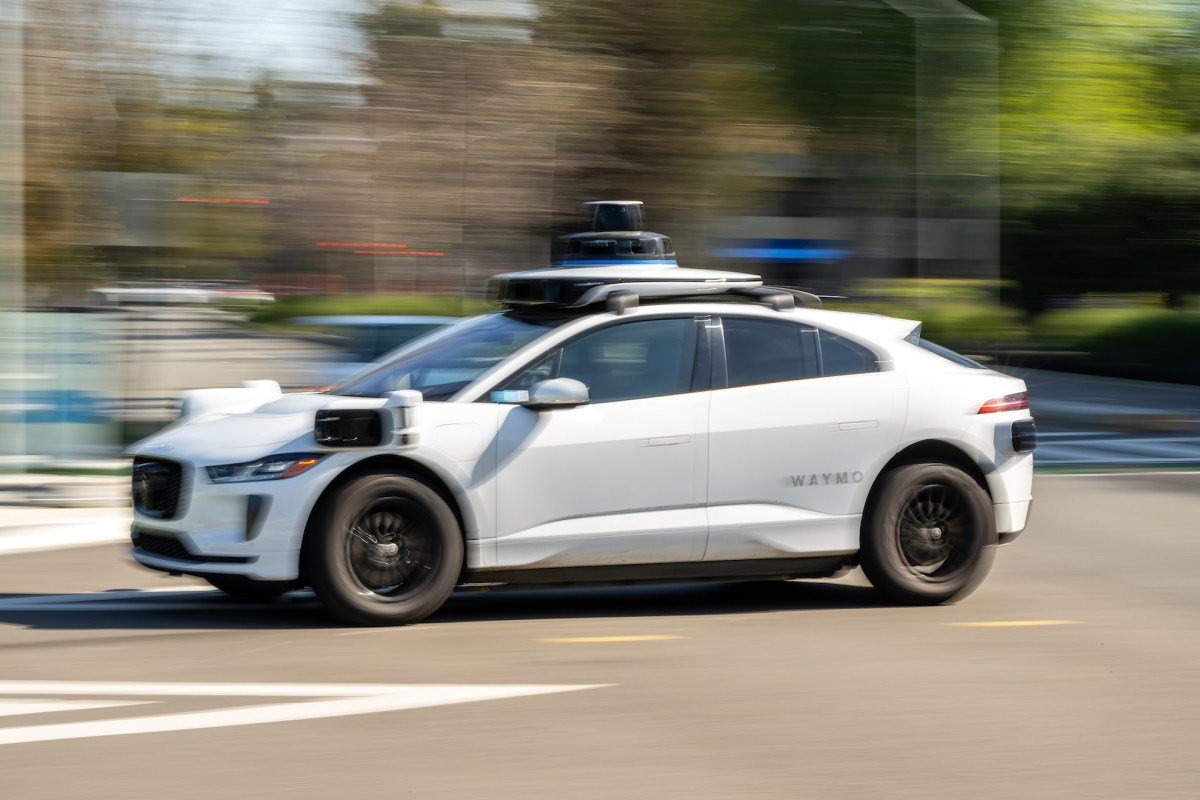

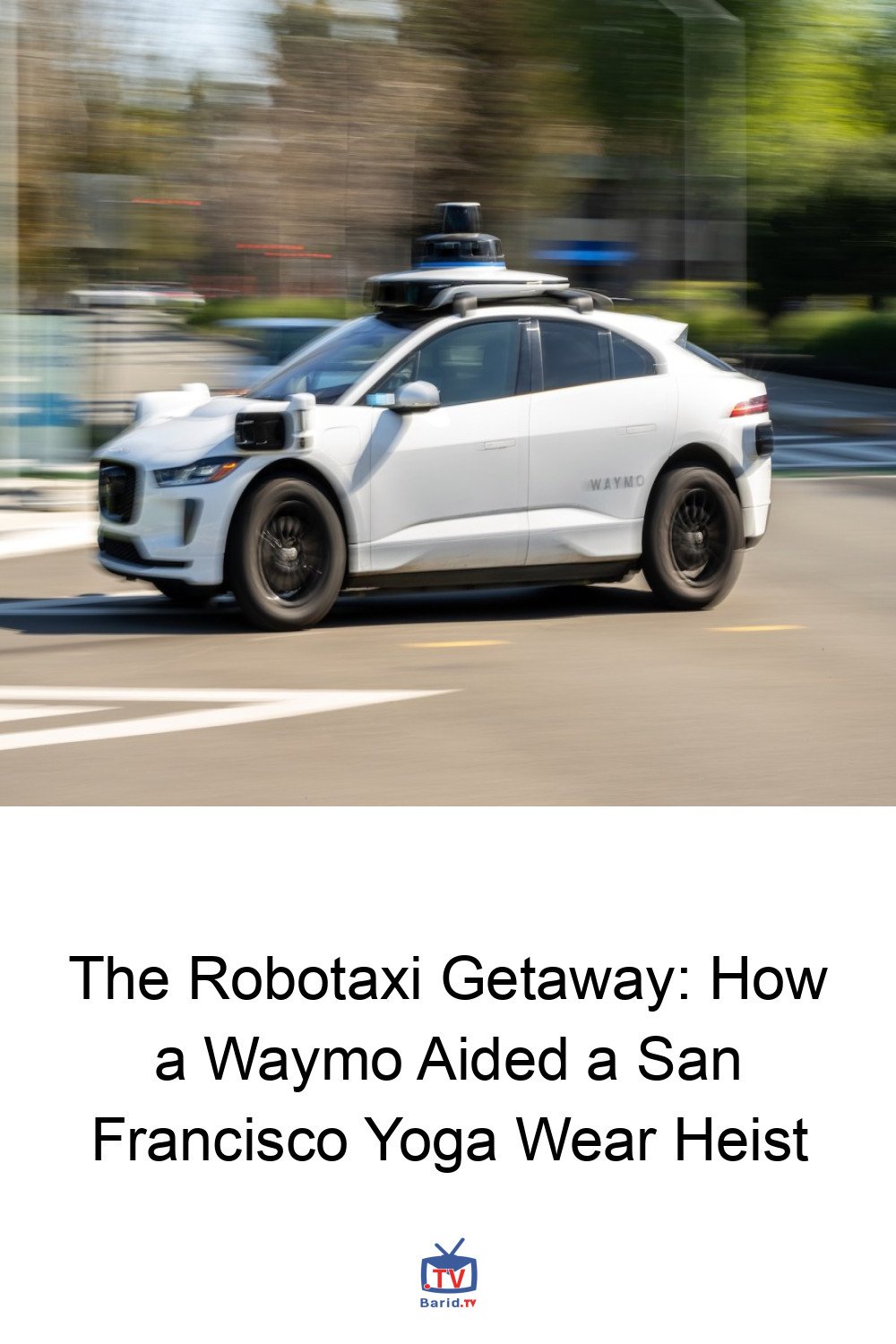
In a peculiar incident that has left San Francisco police scratching their heads, a burglar leveraged a Waymo autonomous vehicle to commit a yoga apparel heist and, remarkably, got away scot-free. This isn’t just another tale of petty theft; it’s a narrative that intertwines cutting-edge technology, urban crime, and the complex nuances of digital privacy, challenging the very notion of robotaxis as omnipresent surveillance machines.
The Unconventional Getaway Vehicle
The incident, first brought to light by the San Francisco Chronicle, unfolded this past January. A thief, with an audacious plan, hailed a Waymo robotaxi. Their destination? A Hot 8 Yoga studio in the city. Upon arrival, the burglar casually exited the driverless car, entered the studio, made off with an armful of yoga clothes, and then, with surprising ease, re-entered the waiting Waymo, making their escape.
The brazenness of the act is amplified by the fact that Waymo vehicles are equipped with an array of cameras and sensors, leading many to believe they are essentially ‘rolling surveillance machines.’ Yet, in this instance, the advanced technology proved to be an unwitting accomplice rather than a crime deterrent or evidence provider.
The Surveillance Paradox: When Technology Fails to Identify
The case takes a fascinating turn when examining why law enforcement has been unable to apprehend the suspect. Despite the Waymo’s sophisticated camera systems, crucial evidence proved elusive.
Blurred Lines: Privacy vs. Prosecution
According to the Chronicle’s report, police faced significant hurdles. While Waymo vehicles do capture and store ride footage, the duration of this data retention remains unclear. By the time a search warrant was filed in April, months after the January theft, the relevant footage was reportedly “gone.”
Even more perplexing was the revelation that exterior camera footage, which might have identified the burglar, had been “blurred for privacy reasons.” This policy, designed to protect the anonymity of individuals captured incidentally by the vehicle’s cameras, inadvertently shielded a criminal. Furthermore, the Waymo account information provided to the police as part of the search warrant “didn’t lead police to the suspect,” suggesting either a burner account or insufficient personal data linked to the ride.
Implications for Autonomous Vehicle Security and Law Enforcement
This incident raises critical questions about the balance between privacy and public safety in the age of autonomous vehicles. While Waymo’s commitment to user privacy is commendable, this case highlights a potential loophole that criminals could exploit. How long should ride footage be stored? What level of blurring is appropriate when a crime is committed? And how can law enforcement effectively utilize data from robotaxis without infringing on civil liberties?
As robotaxis become an increasingly common sight in our cities, this San Francisco caper serves as a stark reminder that the integration of such advanced technology into daily life brings with it unforeseen challenges and ethical dilemmas that policymakers and tech companies alike must address.
For more details, visit our website.
Source: Link