

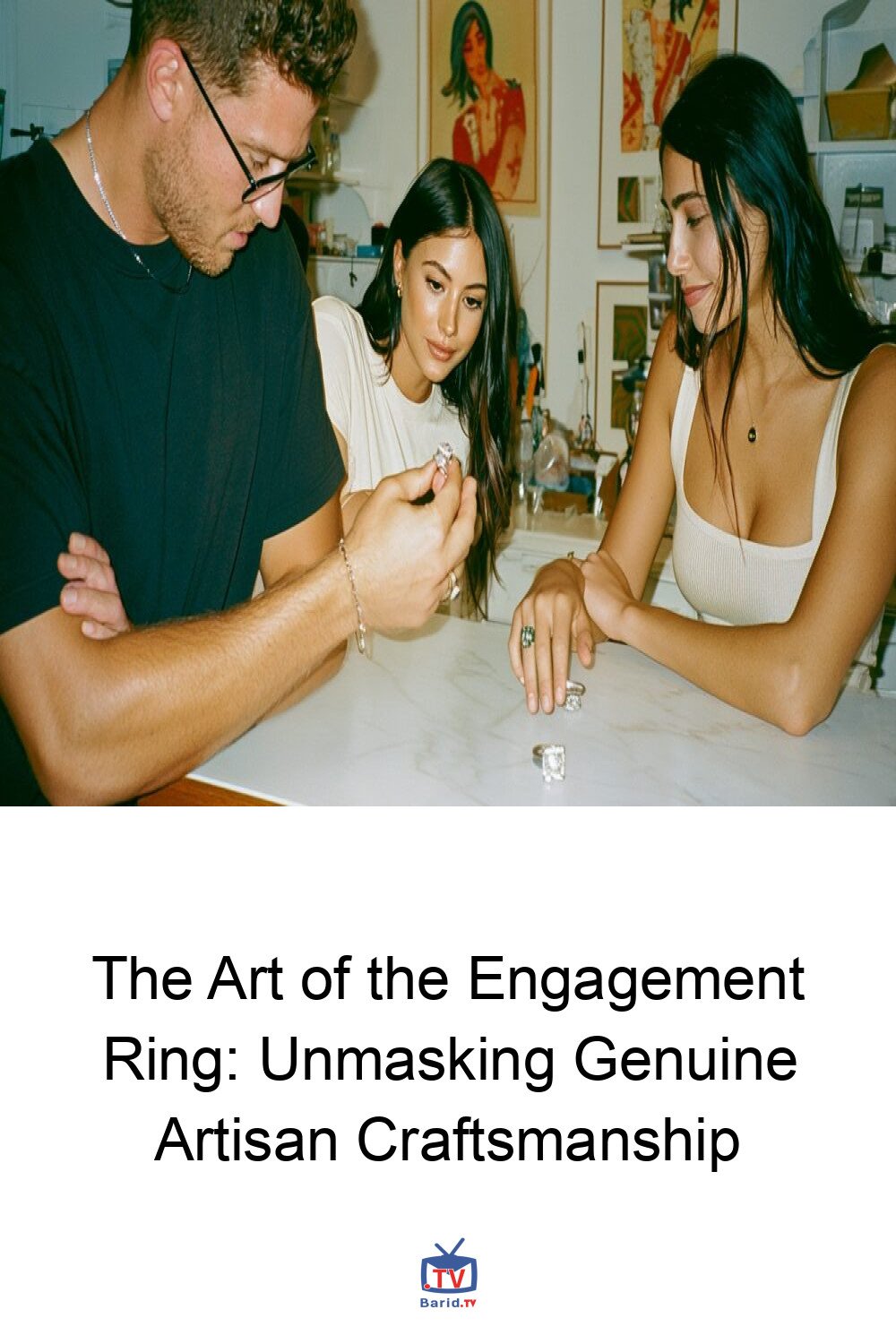
Beyond the Buzzword: Finding True Artisan Engagement Rings
In a market saturated with claims of “handcrafted” and “handmade,” discerning the genuine article from a clever marketing ploy can feel like a daunting task, especially when it comes to a purchase as significant as an engagement ring. While many brands may technically “hand-set” a stone into a mass-produced band, true artisan jewelry goes far deeper, embodying a philosophy of meticulous creation where human touch and expertise guide every meaningful decision. This guide aims to equip you with the knowledge to identify authentic independent jewelers, ensuring your symbol of love is not just beautiful, but genuinely unique and built to last.
What Defines a Truly Artisan Jewelry Brand?
A genuine artisan jewelry brand is characterized by the profound involvement of a human hand throughout the creation process. This isn’t merely about a final polish or a stone setting; it encompasses the design, the shaping of metal, often in-house casting, and the individual finishing of each piece. Unlike factory lines churning out identical castings, an artisan jeweler imbues each ring with individual attention, making decisions that prioritize durability, aesthetics, and a unique character that mass production simply cannot replicate.
Why Artisan Craftsmanship Matters Most for Engagement Rings
An engagement ring is more than just an accessory; it’s a daily companion, a testament to enduring love, and as such, it demands exceptional resilience. Rings forged in independent, hands-on studios are typically constructed with longevity in mind. This often translates to heavier, more substantial metal where it counts, and settings meticulously shaped by someone who understands the long-term wear and tear on prongs, not just a CAD file optimized for rapid casting. Moreover, an artisan ring carries a compelling narrative—a traceable origin linked to a specific studio, a named maker, and often, ethically sourced materials like recycled gold. This story adds an invaluable layer of meaning, resonating deeply with today’s conscious consumers.
The Distinct Advantages of Choosing a Handmade Studio
Unrivaled Character and Individuality
Hand-finished pieces inherently possess subtle variations that are impossible to replicate through mass production. These unique nuances are not imperfections but rather hallmarks of authenticity, contributing to a ring’s one-of-a-kind charm.
Enhanced Material Transparency
Smaller, independent studios typically maintain direct relationships with their suppliers, offering a clearer, more transparent understanding of the origin and ethical sourcing of their metals and gemstones, bypassing complex supplier layers.
Superior Repair and Resizing Support
When a brand crafts its rings in-house, it possesses an intimate knowledge of its construction. This expertise translates into faster, more accurate resizing and repair services, ensuring your cherished piece remains in pristine condition for decades.
Greater Design Flexibility
The human element in an artisan studio allows for greater adaptability. Custom requests—be it a unique stone shape or a wider band—are often more feasible and seamlessly integrated into the design process.
Thoughtful, Quality-Driven Production
Handmade engagement rings undergo a more rigorous, individualized quality control process. Each piece receives dedicated attention, minimizing flaws and ensuring exceptional craftsmanship.
Essential Considerations Before Your Purchase
Verify the Workshop’s Location
Directly inquire whether the rings are crafted in-house or outsourced to a third-party factory. A transparent studio will readily provide this information.
Scrutinize Metal Sourcing
Ask about the origin of their metals. Many smaller studios proudly utilize recycled gold and silver from certified refiners, a practice worth specifically inquiring about.
Demand Stone Origin and Ethical Practices
For diamonds, inquire about conflict-free sourcing. For colored gemstones, ask for traceability. These are standard questions for any brand claiming artisan credentials.
Understand Turnaround Times
Genuine handmade pieces require time. Be wary of brands promising next-day shipping on fully custom designs, as this often indicates factory production.
Review Resizing and Warranty Policies
A confident artisan stands behind their work. Look for clear, comprehensive resize and repair terms, indicative of a maker who understands and trusts their own craftsmanship.
Smart Shopping Strategies for Handmade Engagement Rings
Begin your search by delving into the “about” page and studio photographs. Authentic workshops possess a distinct visual identity, far removed from generic stock photography. If a brand offers made-to-order pieces, don’t hesitate to request in-progress photos. Critically compare the ring’s price against the raw material cost; if a “handmade” 14K gold ring is priced below the value of the gold itself, the claim of artisan labor is likely unfounded.
Common Pitfalls to Avoid
Never assume “handcrafted” or “handmade” automatically implies a piece built from scratch; always scrutinize the language used. Do not overlook questions regarding metal purity and stone certification, regardless of how “artisanal” a brand’s marketing may appear. Finally, distinguish between a vast customization catalog and genuine handmade production; many brands offer numerous “custom” combinations assembled from pre-fabricated factory components.
Expert Insight: The Power of Specifics
Seasoned jewelers operating small studios consistently emphasize one key indicator: a maker’s willingness to discuss specifics. Ask about the bench jeweler who will work on your ring, the duration of the casting-to-finishing process, and the precise origin of the metal. Brands with nothing to conceal will provide prompt, detailed answers. Those that hesitate or deflect are often reselling factory stock. The most reliable signals come from brands that openly showcase their process—through behind-the-scenes studio content, named goldsmiths, and transparent statements about their craft.
For more details, visit our website.
Source: Link