



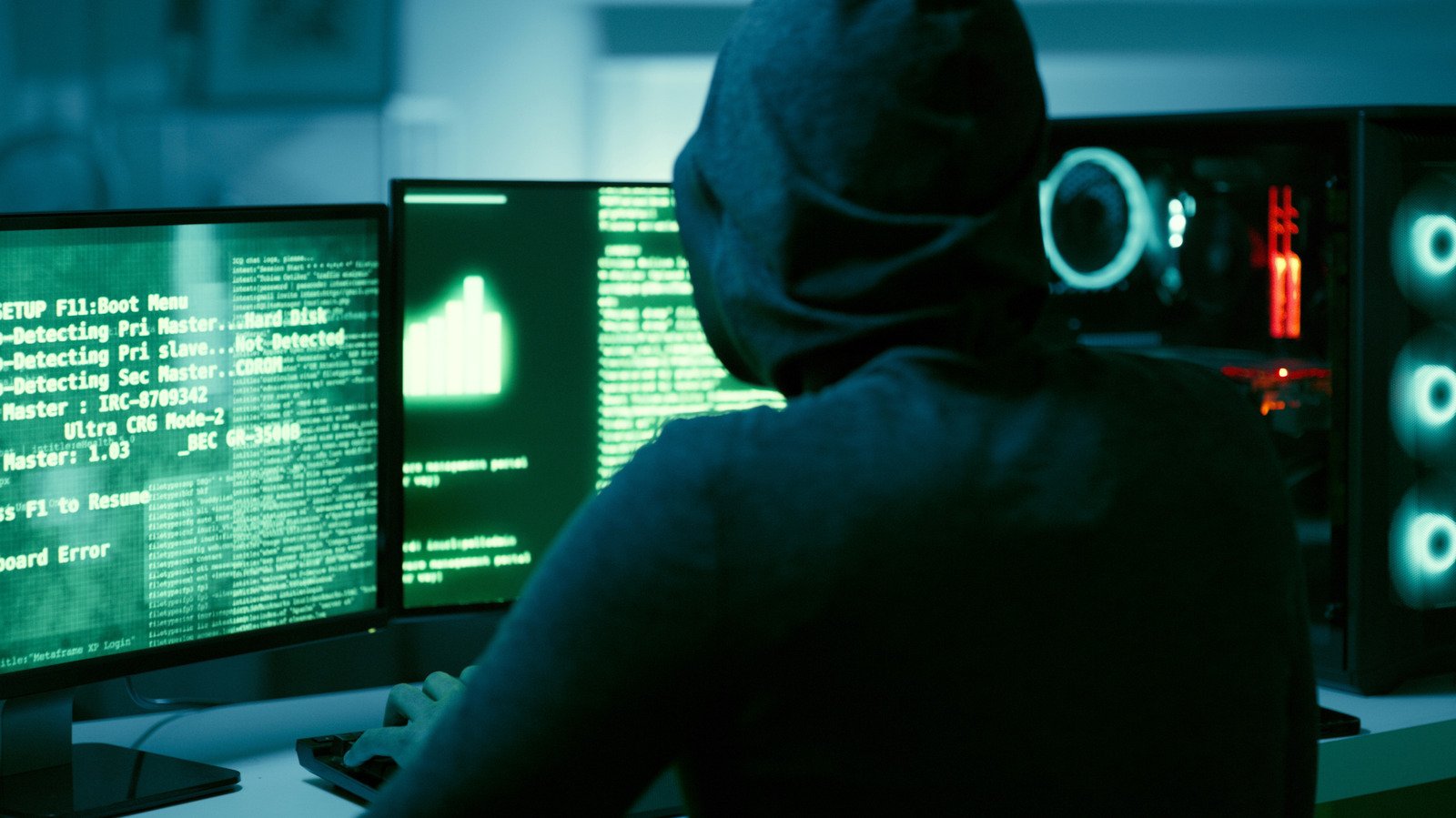

Unprecedented Exposure: 3.6 Billion Records Found in Unsecured Databases
In a stark reminder of the ever-present dangers lurking in the digital realm, cybersecurity researchers have uncovered two massive, unsecured databases exposing an astonishing 3.6 billion records. This colossal trove of compromised data includes everything from usernames and passwords to national identity numbers and highly sensitive personal documents, underscoring the critical need for robust online safety measures.
The Alarming Scale of the Breach
The alarming discovery was made by independent security researchers, with Jeremiah Fowler of Black Hills Information Security leading the charge on one of the databases. Fowler’s findings alone revealed approximately 2 billion login credentials, meticulously cataloged and “associated with virtually every type of online service imaginable.” This includes hundreds of millions of email accounts, over 100 million social media profiles, and tens of millions of e-commerce accounts. Specific figures cited are chilling: more than 114 million Google-linked accounts, 88 million Facebook accounts, nearly 33 million X (formerly Twitter) accounts, almost 42 million Roblox accounts, and 36.6 million Amazon accounts. While some overlap between services or users is possible, the sheer volume is staggering.
Even more concerning, this database contained thousands of folders brimming with plaintext credentials and account details, organized by country, including the US, UK, France, and Germany. Fowler also identified around 400,000 documents seemingly harvested by advanced malware. These documents were categorized into folders like “applications,” “cookies,” “edge,” “important files,” and “operating systems,” alongside .txt files detailing “system,” “process,” “clipboard,” and “passwords.” As Fowler ominously noted to Wired, “If you had that, you own that person,” highlighting the potential for comprehensive identity theft and digital takeover.
A Glimpse into the Gray Market: China-Focused Data
Simultaneously, Greg Pollock, Director of Research at UpGuard, unearthed a second database containing over 1.6 billion documents, primarily concerning individuals and businesses in China. This cache included at least 840 million distinct national ID numbers, 300 million phone numbers, approximately 11 million student enrollment records (many belonging to minors), and 7.8 million business registrations. Pollock discovered this database on the public internet, seemingly part of a “gray market framework,” and noted it had been updated just a week before his discovery in October.
Both databases, now reportedly removed, were aggregations of data from multiple sources. The larger database combined information from infostealer malware, capable of siphoning all login credentials from a single device, with other illicitly obtained data. The China-focused database, as Pollock detailed in a blog post, was a mosaic of records from disparate authorities: ID registration from the Ministry of Public Security, payment app data from Ant Group, student enrollment from the education system, and business registrations from market regulators. “No single lawful holder could legally possess all of them,” Pollock asserted, concluding that “What this server represents is the assembly of that stolen material into a working product.”
Navigating the Perilous Digital Landscape
In an era where data breaches are unfortunately commonplace – with many individuals receiving multiple breach notifications annually – it’s increasingly prudent to assume that some of your private data may already be exposed. The rapid advancement of artificial intelligence further complicates matters, empowering attackers to more efficiently identify system vulnerabilities, infiltrate servers, and collate vast amounts of disparate information into such dangerous databases.
Fortifying Your Digital Defenses
While the scale of these breaches can feel overwhelming, individuals are not powerless. Proactive measures are essential to safeguard your digital life:
- Strong, Unique Passwords: This remains the bedrock of online security. Every service should have a distinct, complex password.
- Password Managers: Utilize these tools to securely generate, store, and manage your myriad passwords without needing to remember them all.
- Multi-Factor Authentication (MFA): Enable MFA wherever possible. This adds an extra layer of security, typically requiring a code from your phone in addition to your password.
- Passkeys: Embrace passkeys as a more secure, phishing-resistant alternative to traditional passwords where available.
- Virtual Private Networks (VPNs): A good VPN encrypts your internet connection, protecting your data from interception, especially on public Wi-Fi.
- Information Prudence: Be judicious about what personal information you share online and with which services. Less data shared means less data to potentially compromise.
- Vigilance Against Social Engineering: Stay alert for phishing emails, suspicious links, and other social engineering tactics designed to trick you into revealing sensitive information.
- Data Removal Services: Consider using reputable data removal services to help scrub your personal information from data broker sites.
The discovery of these 3.6 billion exposed records serves as a powerful call to action. In an increasingly interconnected and vulnerable world, personal cybersecurity is no longer an option, but a fundamental necessity.
For more details, visit our website.
Source: Link






Leave a comment