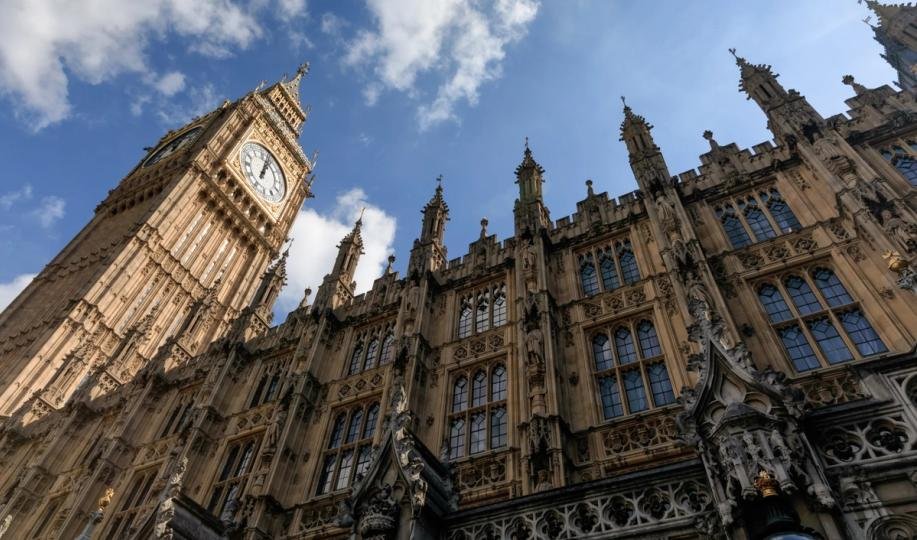

In a significant move that could reshape the future of digital finance in the United Kingdom, a powerful House of Lords committee has urged the Bank of England (BOE) to reconsider its proposed stringent restrictions on stablecoins. The cross-party Financial Services Regulation Committee argues that the central bank’s ‘overly conservative’ approach risks stifling innovation and making the UK uncompetitive in the burgeoning global stablecoin market.
A Regulatory Tightrope Walk for Stablecoins
Stablecoins, digital tokens pegged to the value of traditional assets like the British pound or US dollar, have emerged as a critical component of the cryptocurrency ecosystem. As central banks worldwide grapple with integrating these assets into existing financial frameworks, the Bank of England had previously stood out for its notably cautious stance.
The Bank’s Initial Proposals: A Cause for Concern
The BOE’s initial proposals included strict holding limits: a mere £20,000 for individual consumers and £10 million for businesses. Furthermore, stablecoin issuers would be required to hold a substantial 40% of their backing assets in unremunerated central bank deposits. These measures, while intended to safeguard financial stability, were widely perceived by industry figures as excessively stern, potentially hindering the growth of a nascent market.
House of Lords Steps In: A Call for Measured Oversight
The House of Lords Financial Services Regulation Committee, in its “Stablecoins: waiting for regulation” report, delivered a clear message: the Bank of England should adopt a more nuanced approach. The committee specifically questioned the necessity of pre-emptive holding limits.
“Rather than pre-emptively impose holding limits, the Bank should consider monitoring the growth of the market and imposing holding limits only if the financial stability risks clearly warrant it,” the report stated.
The Lords also voiced strong reservations about the requirement for unremunerated central bank deposits, warning that such a rule “could have a significant impact on the business viability of stablecoin issuers in the U.K.” Critics argued that these restrictions could place the UK at a disadvantage compared to other jurisdictions embracing more flexible regulatory models.
BOE Acknowledges ‘Overly Conservative’ Stance
In a promising development for the stablecoin sector, the Bank of England appears to be heeding the calls for reconsideration. Sarah Breeden, the BOE’s Deputy Governor for Financial Stability, recently admitted that the initial proposals were “overly conservative.”
Speaking to the Financial Times last month, Breeden confirmed that the central bank is “looking very hard at whether there are different ways we can manage what we think is an important risk as stablecoins come into play.” This acknowledgment signals a potential shift towards a more pragmatic and less restrictive regulatory framework, balancing innovation with necessary safeguards.
What Lies Ahead for UK Stablecoins?
The intervention by the House of Lords and the subsequent softening of the Bank of England’s position mark a crucial turning point for stablecoin regulation in the UK. This dialogue underscores the ongoing challenge of crafting effective digital asset policies that protect consumers and financial stability without stifling technological advancement. As the BOE re-evaluates its approach, the UK’s ambition to become a global hub for crypto innovation will depend heavily on its ability to strike this delicate balance.
For more details, visit our website.
Source: Link