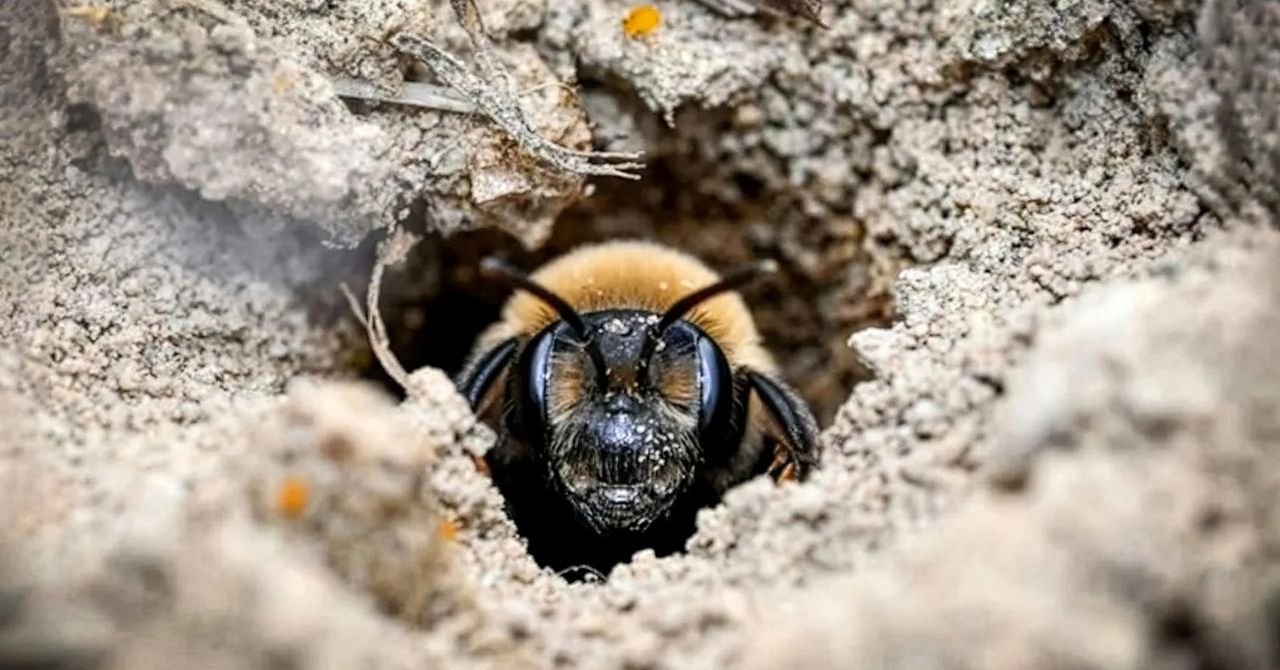

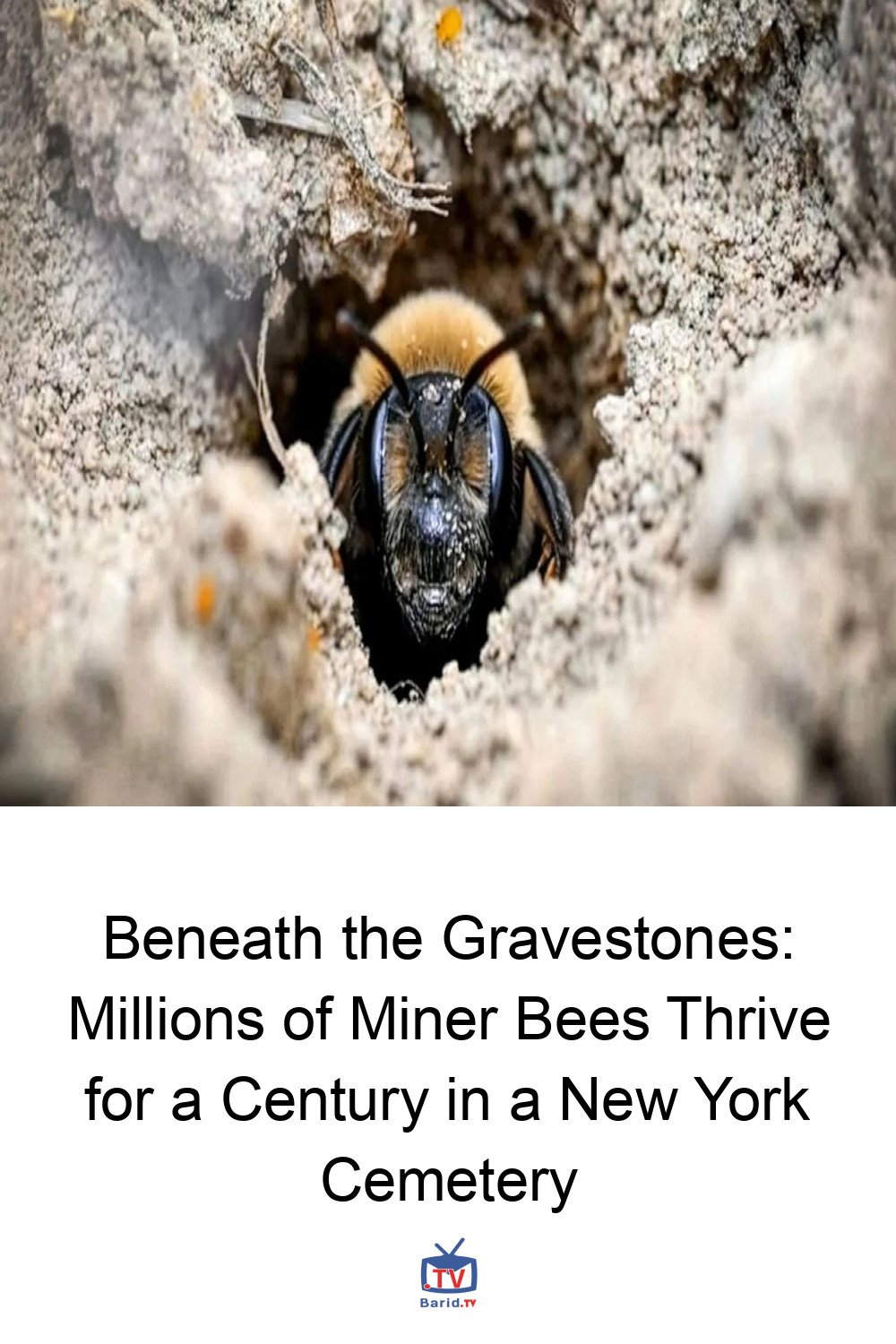
In a discovery that redefines our understanding of urban biodiversity, a vast, ancient colony of subterranean bees—estimated at a staggering 5.5 million individuals—has been found thriving beneath the tranquil grounds of East Lawn Cemetery in Ithaca, New York. This remarkable aggregation, documented by a Cornell University research team in the journal
Apidologie, represents one of the largest ever recorded for its species, Andrena regularis, and highlights the unexpected role historic cemeteries can play as vital ecological refuges.
A Serendipitous Discovery
The journey to this extraordinary find began in the spring of 2022, not with a deliberate expedition, but with the keen eye of Rachel Fordyce, then a laboratory technician in Cornell University’s entomology department. During her routine walk to work, Fordyce noticed an unusual abundance of insects, prompting her to collect specimens. These were then brought to the attention of entomologist Bryan Danforth, whose subsequent analysis confirmed them to be Andrena regularis, commonly known as the mining or miner bee.
Unlike their more famous cousins, the social honey bees, miner bees lead a largely solitary life, constructing intricate tunnel networks deep within the earth. Historical records reveal that this particular species has been an unseen resident of the East Lawn Cemetery, established in 1878, since at least the early 1900s, quietly contributing to the local ecosystem for over a century.
Counting the Colony: A Scientific Endeavor
To quantify the immense scale of this hidden metropolis, scientists deployed 10 specialized traps across the cemetery between late March and mid-May 2023. These ingenious devices, covering less than a square meter of soil each, gently guided emerging insects into glass containers. The census yielded over 3,000 specimens from 16 different species, including various bees, beetles, and flies, but with an overwhelming dominance of Andrena regularis.
Through careful extrapolation from the average density observed in the traps, researchers estimated the total population to range from 3 million to 8 million, settling on an average of 5.5 million. This colossal figure is equivalent to the bee population found in more more than 200 conventional domestic bee hives, underscoring the sheer magnitude of this subterranean society.
Life Cycle and Ecological Dance
The study also unveiled previously unrecorded insights into the biology of this under-researched insect. The traps revealed a fascinating reproductive strategy: male miner bees emerge from the ground a few days earlier than females during the first warm days of April. This temporal advantage maximizes their mating opportunities as females subsequently surface to dig their nests and provision cells with pollen and nectar for their offspring.
A unique characteristic of Andrena regularis is its ability to overwinter underground as an adult. This adaptation allows them to become active exceptionally early in the spring, achieving perfect synchronicity with the crucial flowering period of apple trees in Cornell University’s nearby orchards, making them indispensable pollinators for the region’s agriculture.
Furthermore, the monitoring uncovered complex ecological interactions, including a parasitic relationship with Nomada imbricata bees. These “cuckoo bees” lay their eggs within the nests of Andrena regularis, effectively hijacking the host’s resources at the expense of the original larvae—a stark reminder of nature’s intricate web of survival.
Cemeteries: Unexpected Sanctuaries for Biodiversity
This remarkable discovery serves as a powerful testament to the critical need for protecting wild bee nesting sites, especially given that 75 percent of wild bee species are solitary and live underground. Old city cemeteries, often overlooked green spaces, provide an ideal habitat: undisturbed sandy soils perfect for digging, a notable absence of pesticides, and an environment largely shielded from the drastic alterations typical of intensive agriculture or rapid housing development.
A Call to Action: Protecting Our Pollinators
To safeguard these invaluable populations from accidental destruction due to construction or roadworks, the study’s authors have launched a global citizen science initiative. This project encourages individuals worldwide to report the presence of underground bee aggregations, contributing to a vital survey effort. By identifying and protecting these crucial pollinator habitats, we can work collectively to prevent habitat fragmentation from jeopardizing their survival, ensuring the continued health of our ecosystems and food sources.
This story originally appeared on WIRED Italia and has been translated from Italian.
For more details, visit our website.
Source: Link