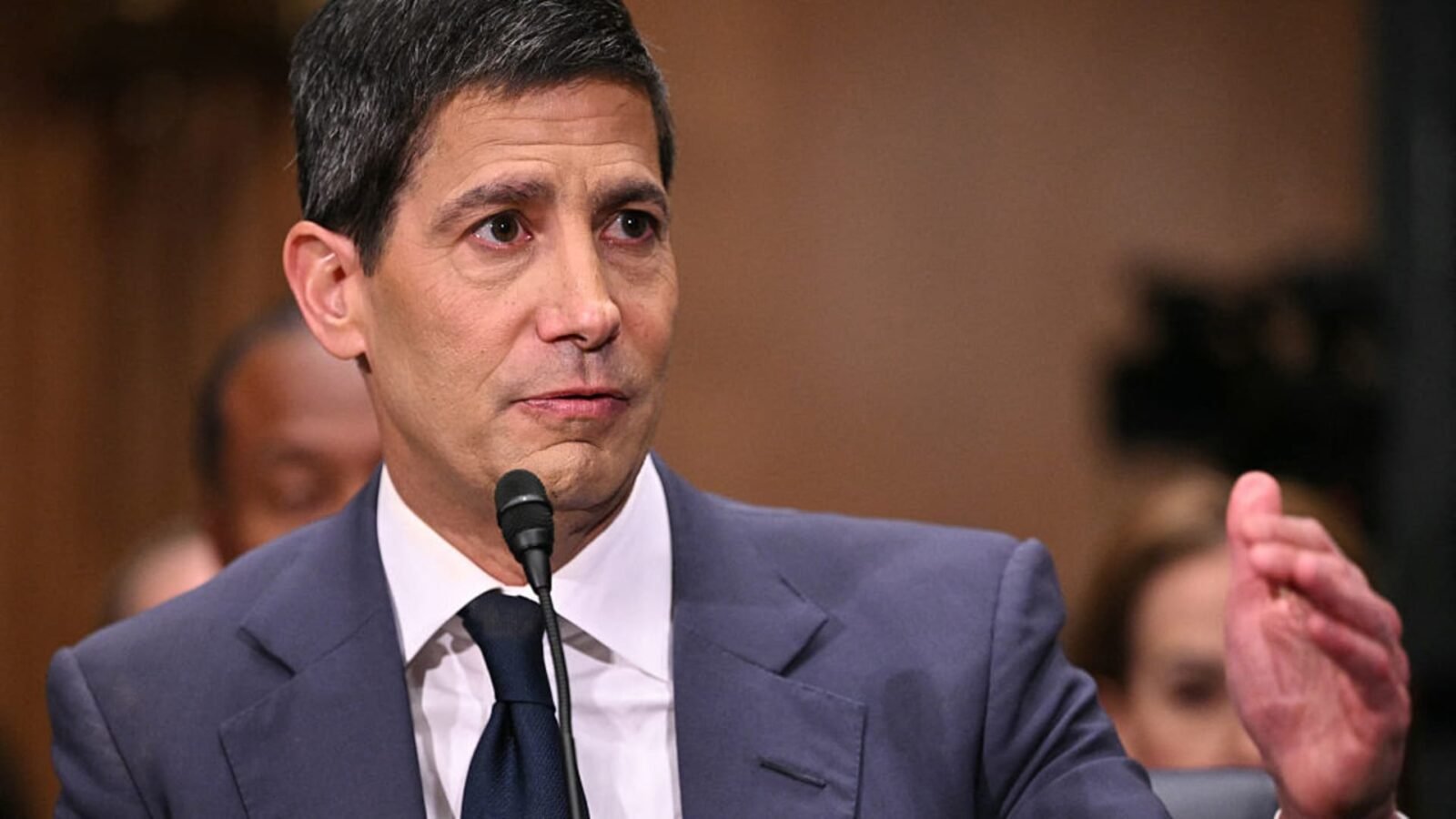

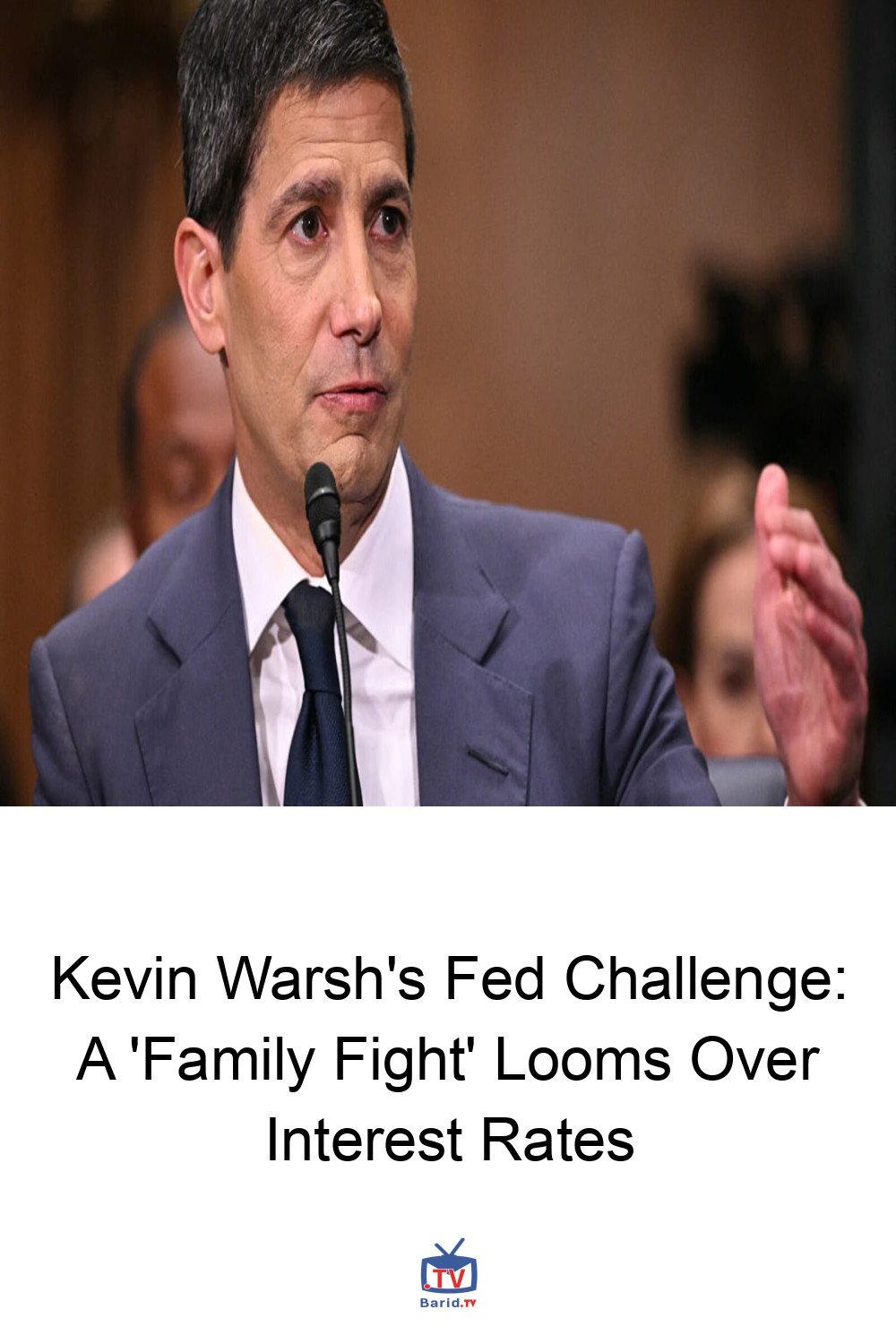
The corridors of power in Washington D.C. are abuzz with anticipation as Kevin Warsh steps into the formidable role of Federal Reserve Chair. Known for his outspoken views and a history of challenging the status quo, Warsh is expected to ignite a significant “family fight” within the central bank, particularly concerning the contentious issue of interest rate cuts.
A Fiery Start: Warsh’s Battle for Rate Cuts
If Warsh is indeed “itching for a good family fight” over monetary policy, as he once famously quipped, he is poised to get one. His long-held conviction that interest rates should be lower will immediately put him at odds with a Federal Open Market Committee (FOMC) that is currently grappling with surging inflation and rising Treasury yields. Far from considering easing, many officials are stressing the imperative to maintain flexibility for potential rate hikes.
A History of Dissent
Observers who have followed Warsh’s career, from his previous tenure as a Fed governor to his prominent public disagreements with Fed policy, anticipate a robust defense of his arguments for rate reductions. However, the economic landscape has shifted dramatically since his earlier days, presenting a far more challenging audience for his proposals.
“I saw him in action. He does base his decisions on his view of the economy, and even his arguments for why he would favor rate decreases in general were based on his read of what’s happening structurally in the economy,” remarked Loretta Mester, former Cleveland Fed President, who served alongside Warsh. “I just don’t think right now he can make those arguments in a credible way, because we have an inflation problem.”
The Inflationary Reality Check
Indeed, the specter of surging inflation stands as Warsh’s immediate and most formidable policy hurdle. While he has previously aligned with the Trump administration’s stance, suggesting that current price surges are temporary and will dissipate with geopolitical stability and increased productivity, these arguments now face intense scrutiny. Inflation levels are at multi-year highs, making a credible case for rate cuts exceedingly difficult.
Warsh’s “family fight” remarks, made during his Senate confirmation hearing, along with other critical comments about the Fed, are privately seen by central bank observers as potential liabilities that could complicate his efforts to build consensus.
Navigating the FOMC’s Divisions
The Fed’s rate-setting arm, the FOMC, is already exhibiting signs of internal discord. At its most recent meeting in late April, three members voted against the policy statement, specifically objecting to a sentence that investors interpreted as hinting at future rate cuts. This dissent, however, could paradoxically offer Warsh an early opportunity to stamp his authority.
By persuading the remaining 11 FOMC voters to remove such “forward guidance,” Warsh could align the committee around a common objective: preserving optionality for future monetary moves. This would not only reflect his stated disdain for prescriptive forward guidance but also allow him to frame the shift as a move towards a more agnostic communications framework, rather than an explicit tightening signal.
“You get plenty of contrarian thinking in there. Kevin Warsh is a very fortunate man in his experience. Family fights generally lead to constructive outcomes,” noted Lou Crandall, chief economist at Wrightson ICAP. “On the one hand, he can present this as not a tightening signal, just a shift to more agnostic communications framework. There is a PR element that would be helpful to him. He doesn’t have to say that the committee forced his hand in his first meeting to go to an effectively more restrictive stance.”
The Presidential Expectation
Yet, Warsh’s challenges extend beyond the internal dynamics of the Fed. President Donald Trump, who nominated Warsh, explicitly stated his expectation for lower interest rates. Should Warsh fail to deliver on this, it could precipitate a relationship mirroring the perpetual clash between Trump and former Chair Jerome Powell, marked by personal attacks and an unprecedented level of discord between the administration and the central bank.
What Lies Ahead for the New Fed Chair?
The question remains: will Warsh find himself in a position where he must publicly dissent from the committee’s decision, perhaps stating in a post-meeting news conference that he argued for cuts but failed to sway his colleagues? Those familiar with the inner workings of the FOMC suggest this scenario is unlikely, primarily because the Fed operates on a principle of collective decision-making and public unity, making such open disagreement from the Chair highly unusual and potentially damaging to the institution’s credibility.
Kevin Warsh’s tenure as Federal Reserve Chair promises to be anything but quiet. He steps into a role fraught with economic challenges and political pressures, where his conviction for lower rates will be tested against the formidable tide of inflation and a committee largely inclined towards a more cautious, if not hawkish, stance. The “family fight” he anticipated is not just looming; it’s already underway.
For more details, visit our website.
Source: Link