
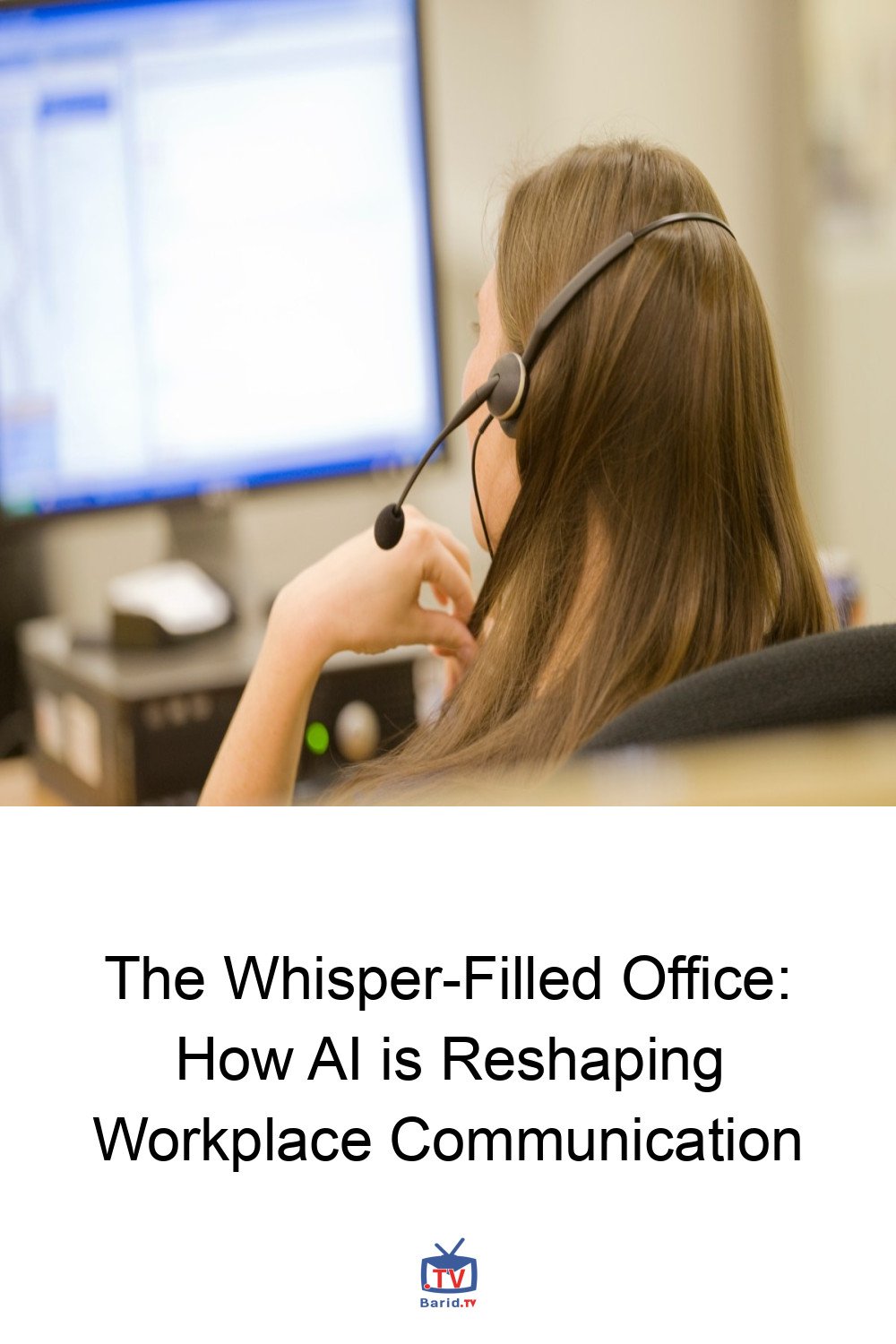
The modern office, once a hub of keyboard clatter and hushed phone calls, is on the cusp of a profound transformation. As artificial intelligence seamlessly integrates into our daily workflows, a new soundscape is emerging: the “whisper-filled office.” This shift, driven by the burgeoning popularity of dictation apps and advanced AI tools, promises to redefine workplace etiquette and productivity.
The Rise of Voice-Activated Workflows
A recent feature in the Wall Street Journal highlighted the growing adoption of dictation applications like Wispr. These tools, now increasingly sophisticated and often linked with “vibe coding” technologies, are enabling professionals to communicate with their computers more naturally than ever before. The implications for traditional office setups are significant, prompting a re-evaluation of how we interact with technology and, crucially, with each other.
From Keyboard to Conversation: A New Office Dynamic
The transition is already palpable in the startup ecosystem. One venture capitalist noted that visiting contemporary startup offices now feels akin to stepping into a high-end call center. Edward Kim, co-founder of Gusto, envisions a future where offices resonate “more like a sales floor,” a prospect that might send shivers down the spines of those accustomed to quieter environments. Kim himself admits to typing only when absolutely necessary, yet acknowledges the inherent “awkwardness” of constant dictation in a shared space.
Navigating the New Etiquette
The personal sphere also reflects this evolving dynamic. AI entrepreneur Mollie Amkraut Mueller shared how her husband grew accustomed to her new habit of whispering to her computer during late-night work sessions, leading to a spatial separation or one partner retreating to a dedicated office. These anecdotes underscore the immediate challenges in adapting to a voice-first work environment.
The Future is Conversational
Despite the initial adjustments, Wispr founder Tanay Kothari remains optimistic, asserting that this new mode of interaction will eventually become “normal,” much like the widespread acceptance of spending hours engrossed in our smartphones. As AI continues to refine its understanding and response capabilities, the friction points are expected to diminish, paving the way for a more intuitive and conversational interface with our digital tools.
The whisper-filled office isn’t just a futuristic concept; it’s a rapidly approaching reality. Businesses and individuals alike must prepare to navigate this new landscape, balancing the efficiency gains of voice technology with the need to maintain a productive and harmonious shared workspace.
For more details, visit our website.
Source: Link