
Global oil markets are experiencing significant volatility, with Brent crude surging past $103 per barrel, fueled by escalating geopolitical tensions in the Middle East. The latest spike follows stern warnings from Israeli Prime Minister Benjamin Netanyahu regarding the ongoing conflict with Iran and a definitive rejection from former U.S. President Donald Trump of Iran’s latest peace overtures.
Geopolitical Storm Brews, Oil Prices React
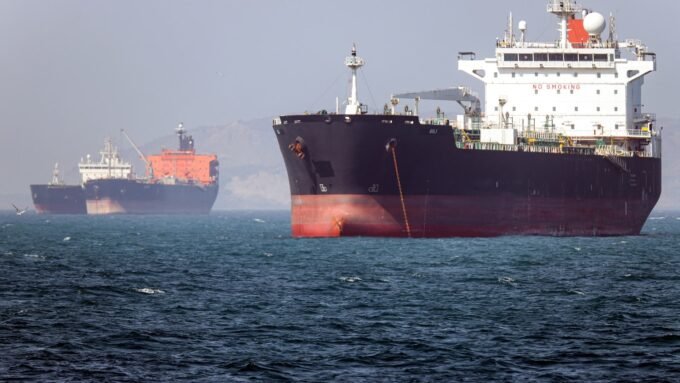
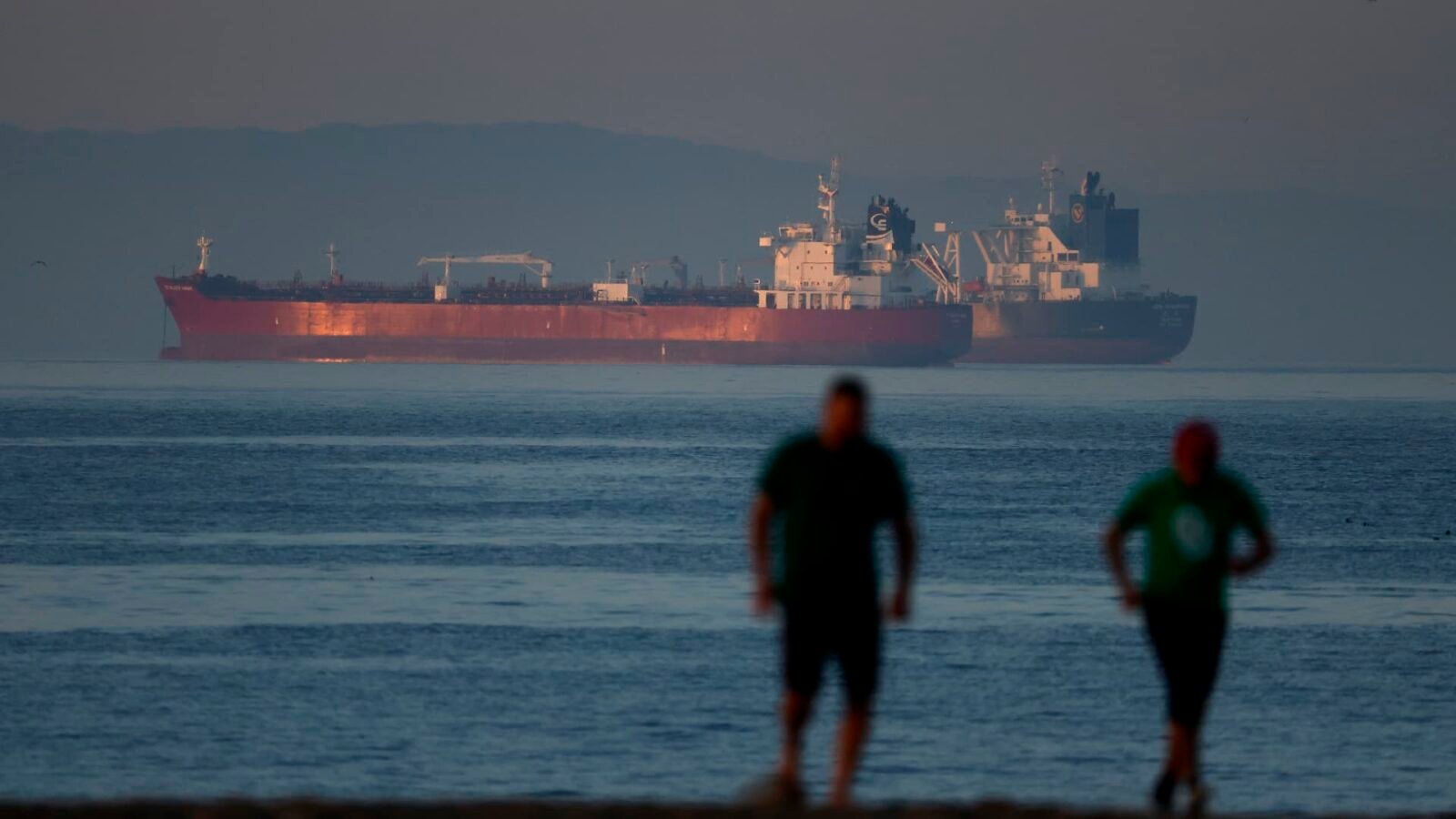
The energy sector remains on edge as the specter of a prolonged and intensified conflict looms. Israeli Prime Prime Minister Benjamin Netanyahu declared on Sunday that the confrontation with Iran was “not over,” a statement that immediately sent ripples through global commodity markets. This declaration, coupled with the successful but high-risk navigation of the Strait of Hormuz by the Liberia-flagged crude oil tanker Shenlong Suezmax on March 11, 2026, underscores the precarious state of energy supply routes.
Adding to the instability, former U.S. President Donald Trump publicly dismissed Iran’s counterproposal to de-escalate the conflict with the U.S. and Israel. “I have just read the response from Iran’s so-called ‘Representatives.’ I don’t like it — TOTALLY UNACCEPTABLE!” Trump stated, signaling a hardening of positions that leaves little room for immediate diplomatic breakthroughs.
The market‘s reaction was swift and pronounced. U.S. West Texas Intermediate (WTI) futures for June delivery climbed over 2% to $97.88 per barrel, while the international benchmark, Brent crude futures for July delivery, similarly rose more than 2% to $103.93. Both WTI and Brent have seen an approximate 40% increase since the U.S. and Israeli-led conflict against Iran commenced on February 28.
Netanyahu’s Unyielding Stance: “You Go In, and You Take It Out”
In an interview on CBS’s “60 Minutes,” Netanyahu outlined Israel’s non-negotiable demands for Iran. “There’s still nuclear material, enriched uranium that has to be taken out of Iran,” he asserted. He further emphasized the need to dismantle enrichment sites, cease support for proxies, and halt ballistic missile production. When pressed on the method for removing nuclear material, Netanyahu’s response was stark: “You go in, and you take it out.” This aggressive posture suggests a potential for direct action, further heightening regional risks.
Expert Outlook: Upside Risks and Looming “Demand Destruction”
analysts are closely monitoring the situation. Citi’s latest oil report highlights that prices could climb even higher if a deal between Iran and the U.S. remains elusive. While high inventories, strategic petroleum reserve releases, and weaker demand in developing economies have offered some cushion, Citi maintains that risks to oil prices are firmly tilted to the upside.
The Strait of Hormuz: A Critical Chokepoint
A key concern remains Iran’s significant control over the timing and terms of any potential agreement to reopen the critical Strait of Hormuz energy route. Citi analysts project a deal for reopening the Strait around “end-May” but caution that “risks skewed towards this timeline being pushed out and/or a partial reopening, which means disruptions for longer.” Any prolonged disruption in this vital waterway would have severe global implications.
Echoes of 2020: The Specter of Demand Destruction
Felipe Elink Schuurman, CEO and co-founder of Sparta Commodities, drew a sobering parallel between current oil market dynamics and the 2020 coronavirus pandemic. He noted that the current supply loss, approximately 9 million barrels per day, mirrors the demand destruction seen in 2020. “So, the market will have to adjust, and we will have to get to that level of demand destruction,” Schuurman told CNBC.
Schuurman warned of a grim future where “richer countries are going to pay up,” potentially seeing regular product prices, if not crude, hit $200. He concluded with a stark forecast: “You are going to end up in a scenario where poorer countries are going to have a humanitarian crisis, Europe is going to have an economic crisis and the U.S., a political one.” The confluence of geopolitical strife and economic pressures paints a challenging picture for the global energy landscape.
For more details, visit our website.
Source: Link