
Spirit Airlines Grounds All Flights, Marking the End of an Era for Discount Travel
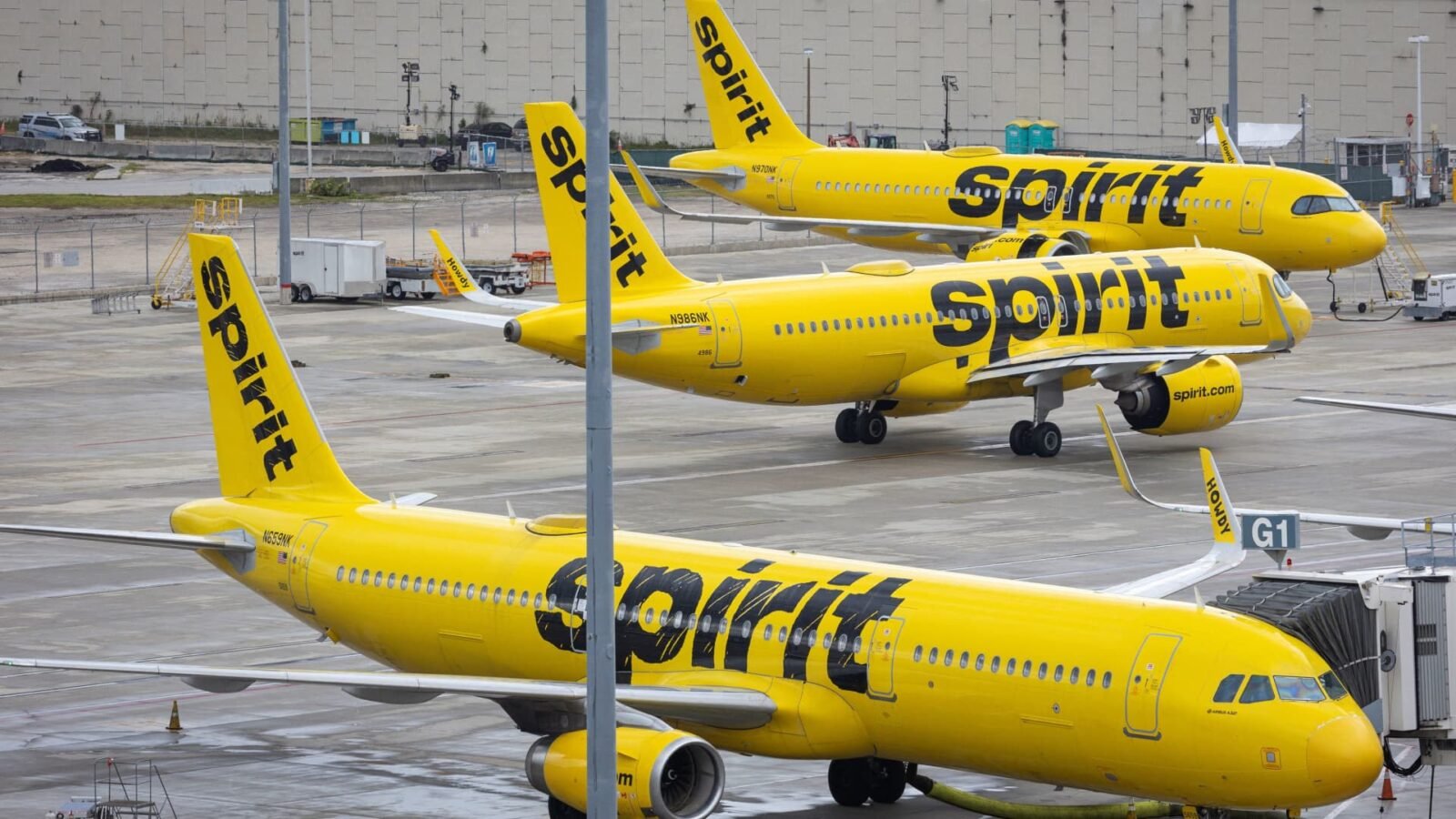
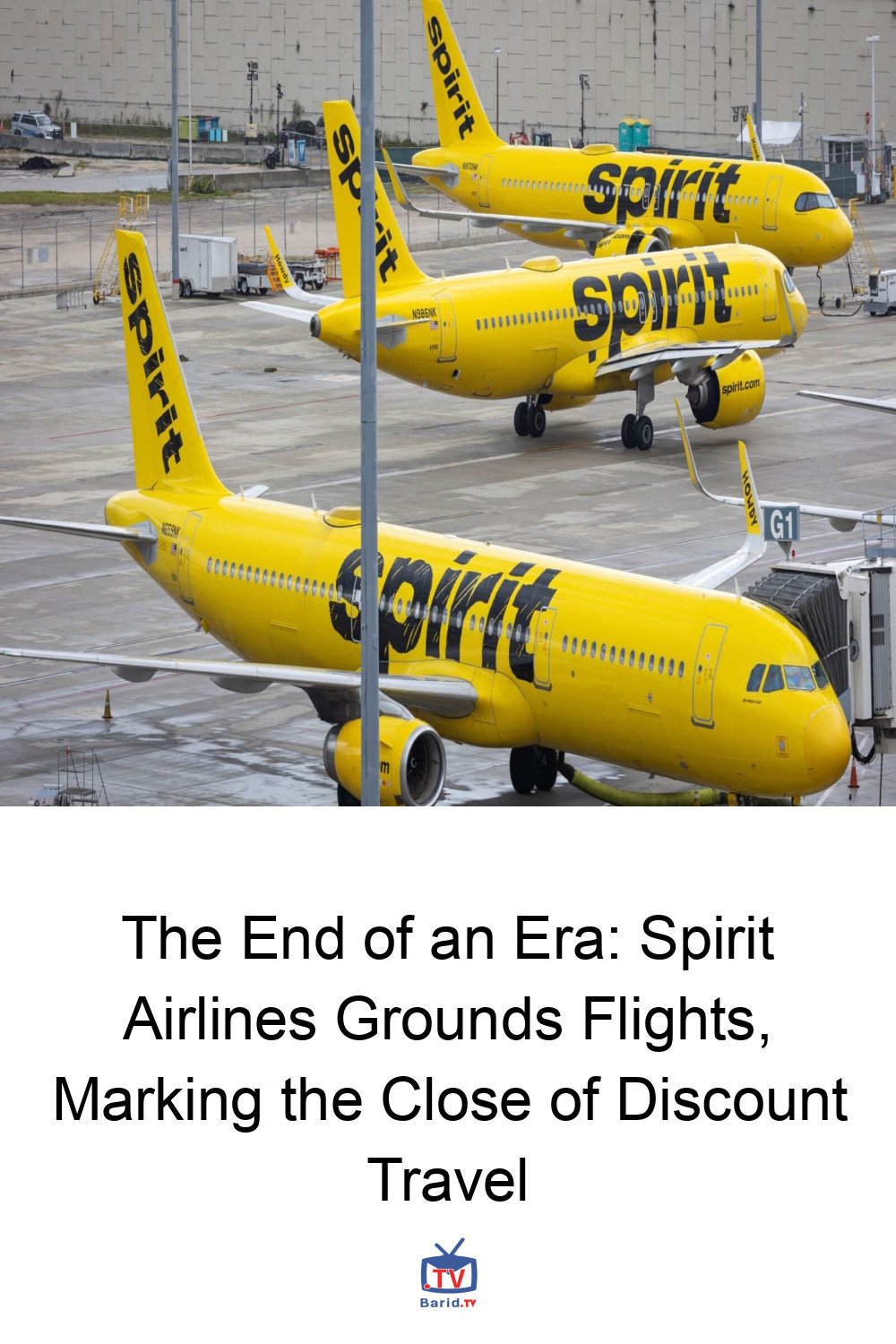
In a dramatic turn of events, Spirit Airlines, the iconic budget carrier known for its distinctive yellow planes and ultra-low fares, has officially ceased all operations. The airline’s abrupt shutdown, effective Saturday morning, follows its failure to secure a crucial eleventh-hour bailout deal with bondholders and the Trump administration, signaling the close of a significant chapter in affordable air travel.
A Lifeline Lost: The Struggle for Survival
Sources close to the matter revealed to CNBC that Spirit’s demise was sealed after intensive negotiations for a financial lifeline collapsed. This marks the carrier’s second bankruptcy filing in less than a year, a testament to its prolonged battle against a confluence of challenges. A sudden and sustained surge in jet fuel prices, exacerbated by geopolitical tensions in the Middle East, proved to be the final, insurmountable hurdle.
The news was delivered starkly to passengers attempting to access the airline’s services: “We regret to inform you that all Spirit Airlines flights have been canceled, effective immediately.”
Decades of Discount: Spirit’s Pioneering Legacy
For over three decades, Spirit Airlines carved out a unique niche in the American aviation landscape. While often the subject of jokes for its “no-frills” service and extensive fee structure, it undeniably pioneered discount air travel in the U.S., making flights accessible and affordable for millions. Its bright yellow aircraft became synonymous with budget-conscious journeys, keeping competitors on their toes with aggressively low fares.
Spirit’s CEO, Dave Davis, acknowledged this legacy in the shutdown announcement: “For more than 30 years, Spirit Airlines has played a pioneering role in making travel more accessible and bringing people together while driving affordability across the industry.” He also extended gratitude to the Trump administration, particularly Commerce Secretary Howard Lutnick, for their efforts to avert the collapse.
A Cascade of Challenges: Why Spirit Failed
The airline’s shuttering is the culmination of years of struggle for the South Florida-based carrier. A failed merger attempt, evolving consumer preferences, intense market competition, and escalating operational costs have plagued Spirit. The recent spike in jet fuel prices, which reportedly doubled in some regions following the U.S. and Israeli actions against Iran on February 28, delivered a fatal blow.
“The sudden and sustained rise in fuel prices in recent weeks ultimately has left us with no alternative but to pursue an orderly wind-down of the Company,” Davis stated. “Sustaining the business required hundreds of millions of additional dollars of liquidity that Spirit simply does not have and could not procure. This is tremendously disappointing and not the outcome any of us wanted.”
The financial strain was evident in bankruptcy court proceedings, where Spirit’s lawyer, Marshall Huebner, warned on April 23 that the airline’s cash “is not going to last for very much longer.”
Impact and Aftermath: What Happens Next?
The immediate consequence of Spirit’s shutdown is the loss of approximately 17,000 direct and indirect jobs. Passengers who purchased flights via credit or debit card are assured automatic refunds. (Further details on next steps are expected.)
The final Spirit Airlines flight, NK1833 from Detroit to Dallas Fort Worth International Airport, touched down shortly after midnight local time, concluding a journey that had transported over 50,000 people in its last day of operation.
Industry experts anticipate that Spirit’s absence could lead to higher airfares in some markets, particularly those where the carrier had a significant presence, despite its recent service reductions. Other airlines are likely to expand their routes and capacity at airports previously served by Spirit to fill the void.
The Bailout That Wasn’t
Last month, the Trump administration had reportedly offered a $500 million loan, which could have granted the government up to a 90% stake in Spirit. However, negotiations with bondholders this week failed to materialize into a viable agreement. Opposition to the deal had also emerged, with figures like Transportation Secretary Sean Duffy expressing skepticism: “What we don’t want to do is put good money after bad, and there’s been a lot of money thrown at Spirit, and they haven’t found their way into profitability.”
As the aviation industry adjusts to this significant shift, the grounding of Spirit Airlines serves as a stark reminder of the volatile economic pressures and competitive landscape facing even the most established players in the travel sector.
For more details, visit our website.
Source: Link