
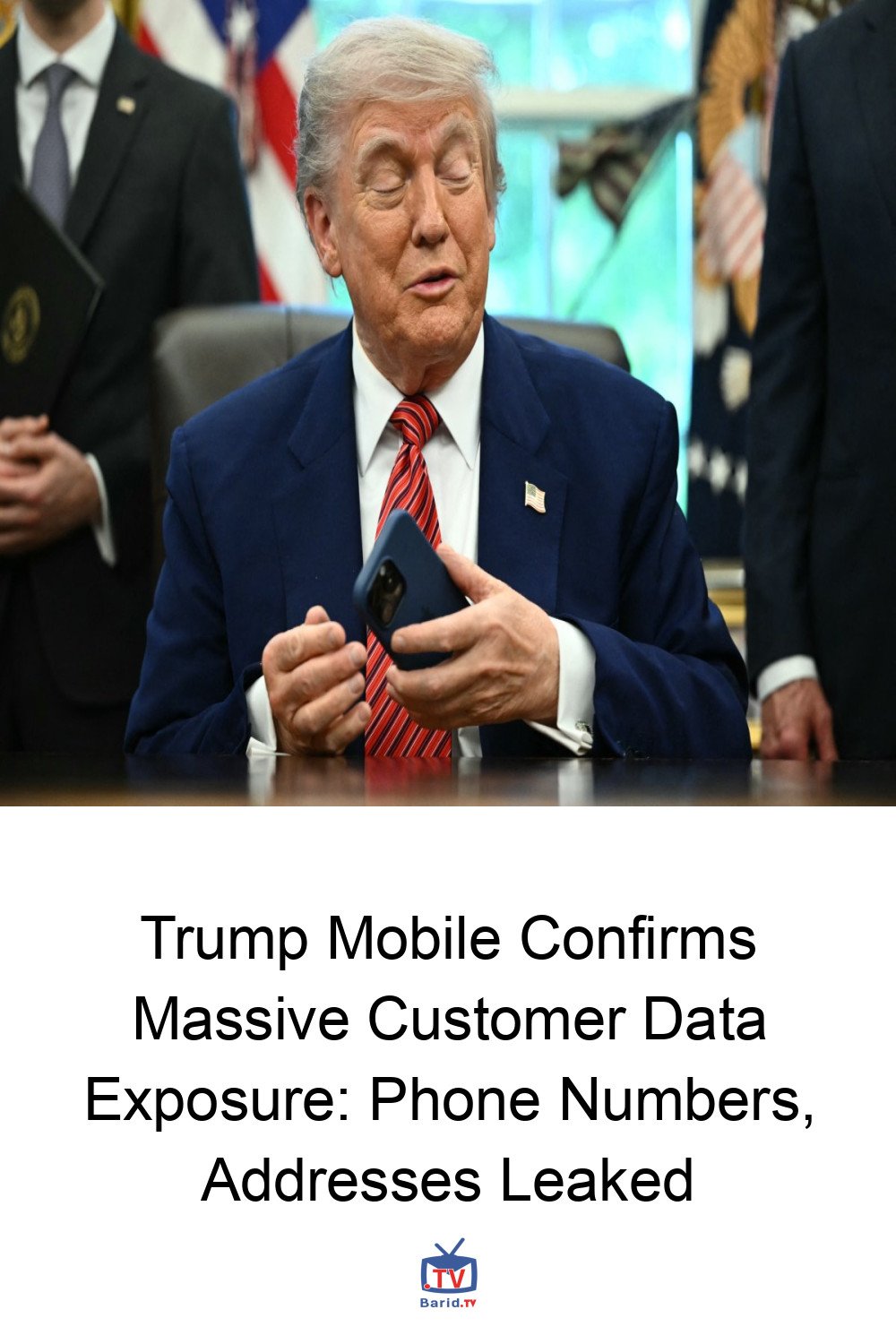
In a significant cybersecurity incident, Trump Mobile, the telecommunications provider associated with Donald Trump, has officially confirmed that a substantial amount of its customers’ personal data was openly accessible on the internet. This exposure included sensitive details such as full names, email addresses, mailing addresses, cell phone numbers, and unique order identifiers, raising serious privacy concerns for its user base.
Third-Party Platform Identified as the Source
Chris Walker, a spokesperson for Trump Mobile, disclosed to TechCrunch that the company is actively investigating the scope and nature of the exposure. Walker clarified that while personal data was indeed compromised, there is currently no evidence to suggest that customer content or financial information was leaked. Crucially, the company asserts that its core network, systems, and infrastructure were not breached. Instead, the vulnerability is attributed to a third-party platform provider that supports “certain Trump Mobile operations.” The specific name of this provider has not been released.
Discovery by YouTubers and Researchers
The admission from Trump Mobile follows earlier reports this week detailing the public accessibility of customer data. The issue came to light after two prominent YouTubers, Coffeezilla and penguinz0, who had purchased Trump Mobile phones, were alerted by a cybersecurity researcher about their personal information being exposed online. Both the researcher and the YouTubers reportedly attempted to notify Trump Mobile of the vulnerability prior to the company’s public acknowledgment, but their initial efforts were unsuccessful.
Company Response and Next Steps
As the investigation continues, Trump Mobile is now evaluating its legal obligations and ethical responsibilities regarding customer notification. Walker stated that the company is assessing whether it needs to formally inform affected customers about the exposure of their personal data. This incident underscores the critical importance of robust data security measures, especially when relying on third-party vendors for operational support, and highlights the ongoing challenges companies face in protecting sensitive user information in the digital age.
For more details, visit our website.
Source: Link