
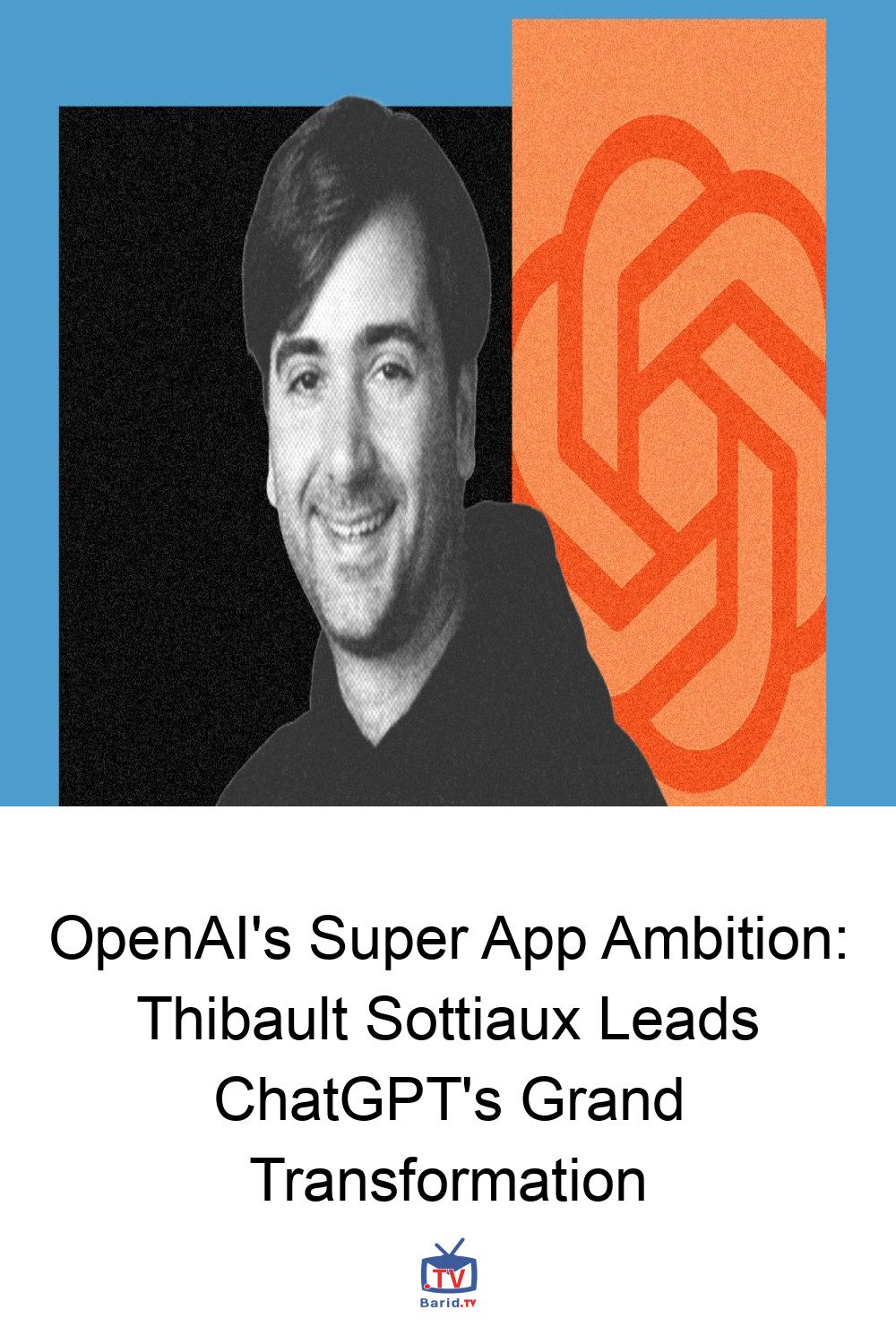
OpenAI, the trailblazing force behind ChatGPT, is embarking on its most ambitious transformation yet: evolving its ubiquitous chatbot from a simple conversational interface into a sophisticated, personalized AI agent. This audacious project, internally and publicly dubbed a “super app,” aims to seamlessly integrate artificial intelligence into every facet of users’ personal and professional lives. At the heart of this monumental undertaking is Thibault Sottiaux, the engineering leader now wielding significant influence over OpenAI’s future.
The Dawn of the AI Super App
The concept of a “super app” is not entirely new, often associated with Asian platforms like WeChat, which bundle diverse functionalities from messaging to payments and shopping into a single ecosystem. However, OpenAI’s vision for ChatGPT transcends these existing models, aiming for something far more profound: an AI that deeply understands and proactively assists its users.
Last month, Sottiaux was appointed OpenAI’s head of core products, a role that places him in charge of both ChatGPT and Codex, with the ultimate goal of merging these powerful entities into the forthcoming super app. This strategic move underscores the company’s commitment to creating an all-in-one platform designed to anticipate needs and deliver information precisely when it’s most relevant.
“It’s incredibly exciting and mildly terrifying at the same time,” Sottiaux remarked in a recent interview, acknowledging the immense scope and potential impact of the project. His aspiration is clear: to build the “world’s best personal agent that deeply understands what humans care about,” promising a “delightfully proactive” ChatGPT within the next year.
Thibault Sottiaux: The Visionary at the Helm
From DeepMind to OpenAI’s Core
Sottiaux’s journey to the forefront of OpenAI’s product strategy is rooted in a deep technical background. Hailing from Belgium, he pursued applied mathematics before joining Google’s London offices in 2015. There, he contributed to Google Maps before transitioning to Google DeepMind, where he played a pivotal role in developing the infrastructure and tools that powered groundbreaking projects like AlphaGo, the AI that famously defeated a human Go champion in 2016.
The launch of ChatGPT in 2022 served as a powerful catalyst for Sottiaux. Inspired by its potential, he relocated to San Francisco, driven by a desire to contribute to OpenAI’s mission. “This is something that we had been sitting on at DeepMind for almost two years, and we were just not doing it,” he explained, highlighting the urgency he felt to bring such transformative AI to the world.
The Rise of Codex and New Challenges
Joining OpenAI in 2024, Sottiaux initially focused on creating tools for the company’s internal researchers, a role reminiscent of his work at DeepMind. Within months, however, he spearheaded the development of Codex, OpenAI’s AI coding tool. Codex rapidly gained popularity, becoming one of OpenAI’s fastest-growing revenue streams and earning Sottiaux a minor celebrity status within the developer community, where he was known for personally addressing bug reports and even resetting token limits for eager engineers.
Now, his mandate has expanded dramatically. While leading Codex meant catering to the needs of developers and AI researchers, his new role as head of core products tasks him with revamping a consumer product with nearly a billion weekly active users. This shift requires a profound understanding of the average person’s needs and desires from AI, moving beyond the specialized demands of the engineering world.
Engineering the Future: How the Super App Works
The Power of Codex Under the Hood
At its core, OpenAI’s super app is envisioned as a digital assistant with advanced memory capabilities. Imagine an AI that not only makes dinner reservations but also proactively reminds you to avoid specific allergens or dishes that previously caused discomfort. It could automate work tasks, such as filing expense reports well before their deadlines, seamlessly integrating into daily routines.
Sottiaux reveals that the super app will largely be powered by Codex, leveraging its robust capabilities, which are already demonstrating strong growth even among non-technical users. The agent will perform complex actions—writing software code, executing API calls, or browsing the web—all invisibly to the user. The interaction remains intuitive: users simply articulate their requests in natural language, and the AI handles the intricate execution.
Strategic Consolidation and Growth
The path to realizing this super app vision has involved strategic consolidation within OpenAI. The company has already shuttered several stand-alone products, including its video app Sora and an AI platform for scientists. This move, which saw some executives depart, has simultaneously amplified Sottiaux’s influence, with his project gaining additional resources. He now reports directly to Greg Brockman, who oversees all of OpenAI’s product teams during Fidji Simo’s medical leave.
Sottiaux emphasizes that building the super app primarily involves transforming Codex into a versatile, general-purpose agent and then integrating that system into ChatGPT. While the core team remains relatively small (his Codex team was around 40 people just two months prior), the strategic focus and resource allocation underscore the company’s commitment to this singular, ambitious goal. This isn’t OpenAI’s first foray into ambitious projects, but it certainly marks one of its most significant bets on the future of AI interaction.
The Stakes: IPO, Competition, and AI Dominance
OpenAI’s aggressive pursuit of the super app concept is not merely a technological endeavor; it’s a critical business strategy. The company aims to revitalize its growth as it navigates a competitive landscape, races towards a potential IPO, and fends off intense competition from industry giants like Google and innovative players such as Anthropic.
The bet is clear: by creating a single, personalized AI assistant capable of managing virtually everything, OpenAI believes it can re-establish itself as the undisputed leader across consumer, enterprise, and the broader artificial intelligence arena. The success of the super app could redefine how humanity interacts with AI, cementing OpenAI’s position at the vanguard of this technological revolution.
For more details, visit our website.
Source: Link