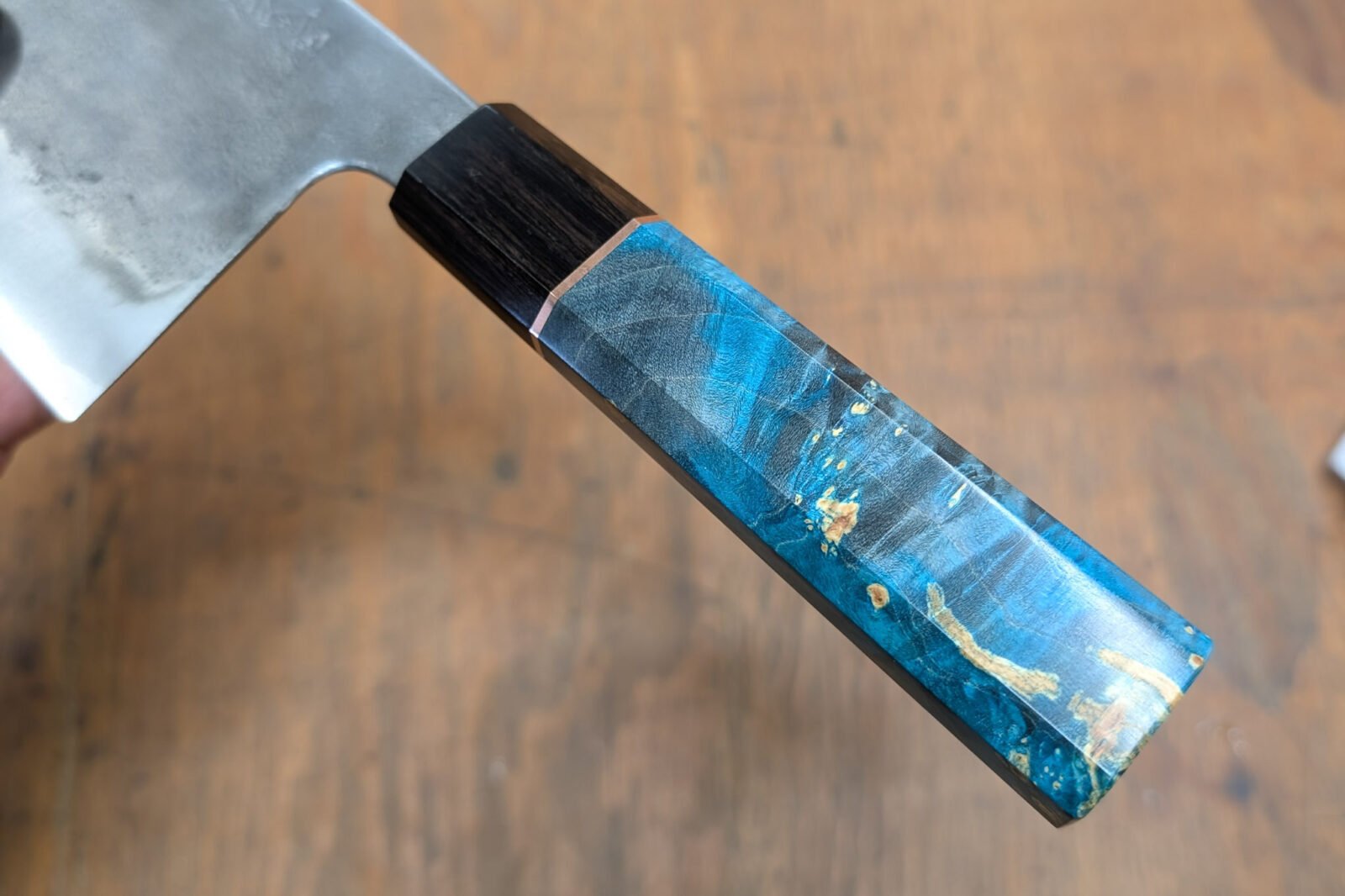

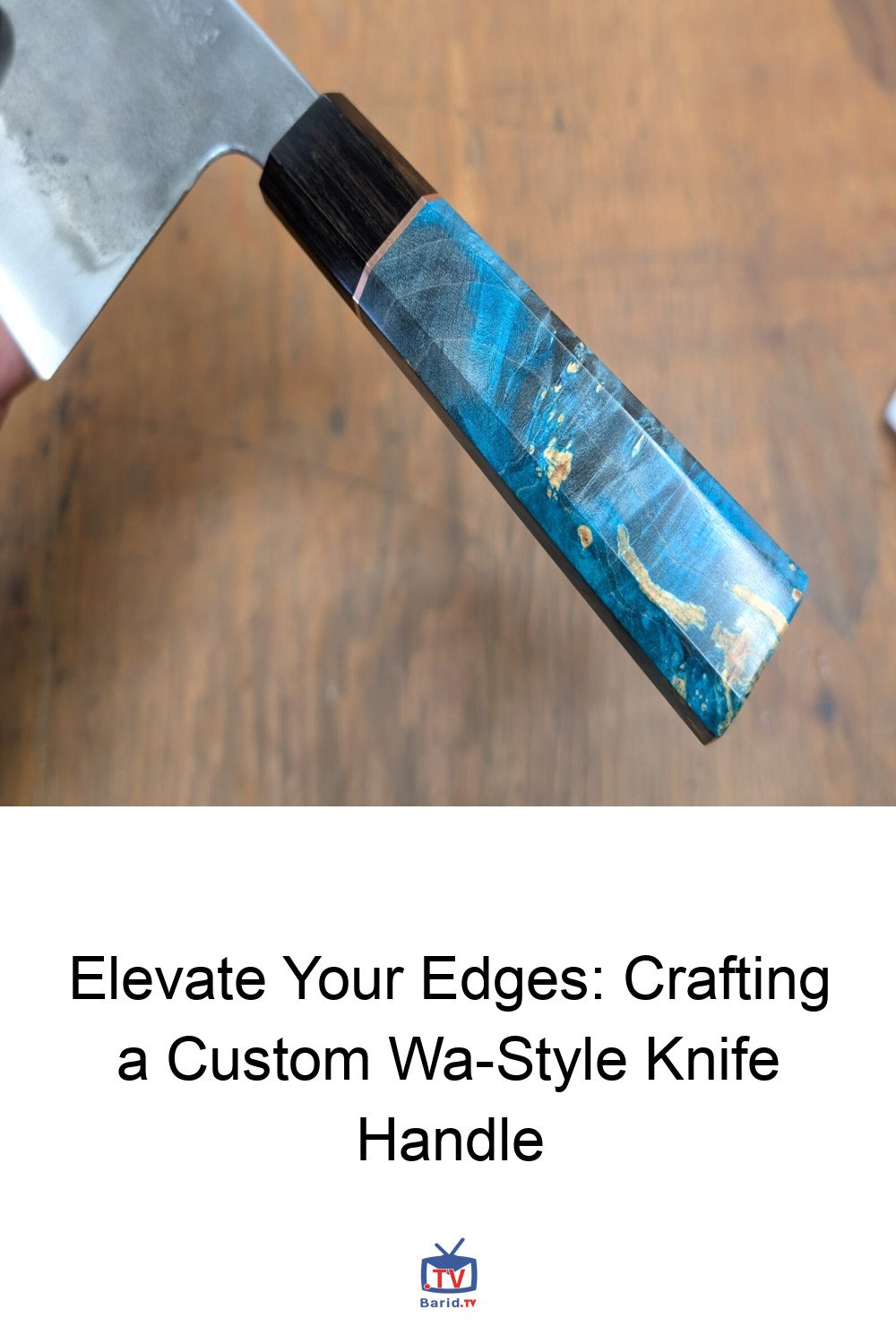
For any culinary enthusiast or seasoned artisan, a knife is more than just a tool – it’s an extension of the hand, a partner in precision. But what if your trusted blade feels… ordinary? What if you could infuse it with a touch of Japanese elegance and superior ergonomics? Enter the Wa-style octagonal knife handle. This project, straight from the pages of Make: Magazine, isn’t just about replacement; it’s about transformation, offering a beautiful upgrade that can redefine your knife’s balance and aesthetic appeal.
Beyond the Blade: Why a Wa-Style Handle?
The traditional Japanese Wa-style handle is renowned for its distinctive octagonal shape, which provides an exceptional grip and comfort, reducing fatigue during prolonged use. Whether you’re looking to breathe new life into an old, worn-out handle or seeking the perfect complement for a new, custom blade, crafting your own Wa-style handle is a deeply satisfying endeavor. It’s a chance to personalize your tool, making it truly yours, both in form and function.
Your Crafting Journey: What to Expect
This engaging project is designed to be accessible yet rewarding. Expect to dedicate approximately 3–4 hours to its completion. With a moderate difficulty
rating, it’s perfect for makers with some basic woodworking experience, but even ambitious beginners will find success with careful attention. The material cost is surprisingly low, ranging from just
$10–$50, making it an affordable way to achieve a high-end custom look.
Our comprehensive tutorial guides you through the creation of a three-piece handle, typically featuring two different types of wood for a striking visual contrast. However, the true beauty of this method lies in its versatility. You’ll learn a fundamental construction technique that can be adapted with various materials, colors, and layouts, allowing for truly unique results that reflect your personal style. Imagine exotic hardwoods, contrasting veneers, or even incorporating resin elements – the possibilities are endless!
Expert Insights from a Master Craftsman
Drawing on the invaluable experience of an artisan who has crafted over a thousand such handles – for both revered Japanese blades and bespoke creations – this guide is packed with insider tips and tricks. These aren’t just steps; they’re insights honed over countless hours, designed to help you avoid common pitfalls and achieve a professional-grade finish that truly stands out.
The Six Essential Steps to Your Custom Handle
Ready to embark on this rewarding journey? Here’s a glimpse into the methodical process that will lead you to a stunning, custom Wa-style handle:
1. Sand Flat Faces
Precision begins with preparation. Ensuring your wood pieces have perfectly flat and smooth mating surfaces is crucial for a strong, seamless glue-up. This initial sanding sets the foundation for the entire project.
2. Measure and Mark
Accuracy is key. Carefully measuring and marking your wood blanks for the tang slot and overall handle dimensions will ensure a perfect fit for your blade and the desired octagonal shape.
3. Drill Holes
Creating the cavity for the knife tang requires careful drilling. This step demands precision to ensure the blade sits securely and straight within the handle, providing optimal balance.
4. Glue-Up
This is where your individual wood pieces become one. A meticulous glue-up, often involving multiple clamps, is essential for a robust and durable handle that will withstand years of use.
5. Fit Up the Blade
The moment of truth! Carefully fitting the blade into the newly formed handle ensures a snug, secure connection. This step often involves fine-tuning and adjustments to achieve the perfect balance and alignment.
6. Shaping
The transformation culminates in shaping. Using various tools, you’ll meticulously carve and sand the handle to its iconic octagonal form, refining its contours until it feels perfectly balanced and comfortable in your hand. This is where the artistry truly comes to life.
Crafting a Wa-style knife handle is more than just a DIY project; it’s an opportunity to connect with traditional craftsmanship, enhance a vital tool, and create something truly beautiful and functional. So gather your materials, sharpen your focus, and prepare to elevate your edges!
For more details, visit our website.
Source: Link