
Introduction to Agricultural Practices
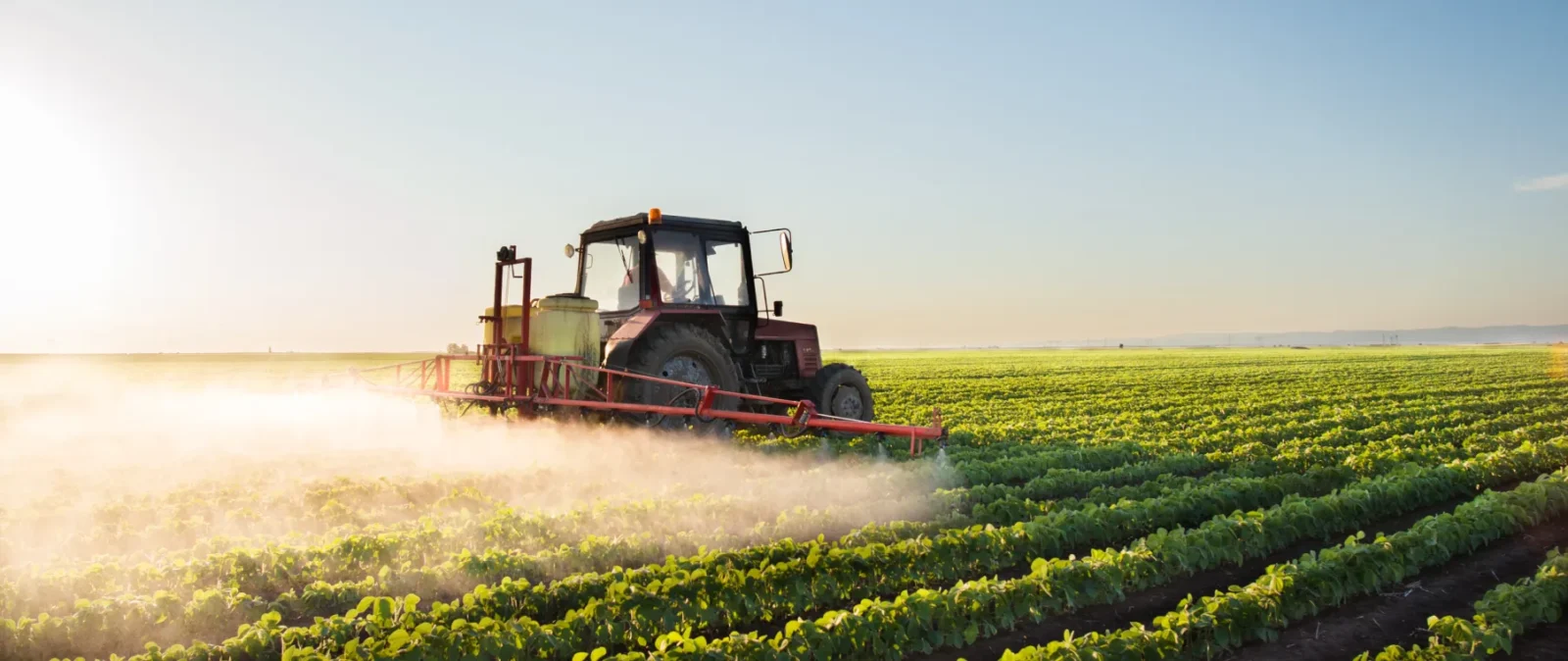
Agriculture is the practice of cultivating the soil, planting, raising, and harvesting both food and non-food crops, as well as livestock production. The term ‘agricultural’ refers to anything that is related to, used in, or concerned with agriculture. The United States Department of Agriculture (USDA) offers various forms of assistance, including grants, loans, and pandemic relief, to farmers, ranchers, agricultural producers, researchers, and other stakeholders in the agricultural sector.
Types of Agricultural Practices
- Organic farming: This method of farming avoids the use of synthetic fertilizers and pesticides, instead relying on natural methods to control pests and diseases.
- Conventional farming: This method of farming uses synthetic fertilizers and pesticides to control pests and diseases.
- Hydroponic farming: This method of farming uses nutrient-rich solutions rather than soil to grow crops.
- Aquaponic farming: This method of farming combines hydroponic farming with fish or other aquatic animal farming.
The Role of Agricultural Science in Modern Farming
Agricultural science plays a vital role in modern farming, as it provides farmers and ranchers with the knowledge and tools they need to improve crop yields and reduce the environmental impact of their operations. The study of agricultural science can help farmers and ranchers to better understand the complex relationships between the soil, plants, animals, and the environment, and to develop more sustainable and efficient farming practices.
Careers in Agricultural Science
- Agricultural researcher: Agricultural researchers conduct experiments and gather data to better understand the effects of different farming practices on the environment and on crop yields.
- Agricultural consultant: Agricultural consultants work with farmers and ranchers to help them develop more efficient and sustainable farming practices.
- Farm manager: Farm managers oversee the daily operations of farms and ranches, including planting, harvesting, and livestock production.
- Agricultural educator: Agricultural educators teach students about agricultural science and practices, and help to promote sustainable and efficient farming practices.
Challenges Facing the Agricultural Sector
The agricultural sector faces a number of challenges, including climate change, soil erosion, and water scarcity. Climate change is affecting crop yields and the distribution of plants and animals, while soil erosion and water scarcity are reducing the availability of arable land and water for farming. Additionally, the agricultural sector is facing increasing pressure to produce more food with fewer resources, while also reducing its environmental impact.
Solutions to the Challenges Facing the Agricultural Sector
- Sustainable farming practices: Sustainable farming practices, such as organic farming and permaculture, can help to reduce the environmental impact of farming and improve crop yields.
- Crop rotation and intercropping: Crop rotation and intercropping can help to improve soil health and reduce the need for synthetic fertilizers and pesticides.
- Water conservation: Water conservation practices, such as drip irrigation and mulching, can help to reduce water waste and improve crop yields.
- Climate-smart agriculture: Climate-smart agriculture involves using practices and technologies that help farmers and ranchers to adapt to the changing climate, such as using drought-tolerant crop varieties and improving soil health.
Conclusion
In conclusion, agricultural practices play a vital role in modern society, providing food, fiber, and other essential products. The study of agricultural science can help farmers and ranchers to develop more sustainable and efficient farming practices, and to improve crop yields and reduce the environmental impact of their operations. However, the agricultural sector faces a number of challenges, including climate change, soil erosion, and water scarcity. By adopting sustainable farming practices, conserving water, and using climate-smart agriculture, farmers and ranchers can help to address these challenges and ensure a sustainable food future.
FAQ
- Q: What is agricultural science?
- A: Agricultural science is the study of the relationships between the soil, plants, animals, and the environment, and the development of practices and technologies that can improve crop yields and reduce the environmental impact of farming.
- Q: What are the benefits of sustainable farming practices?
- A: Sustainable farming practices can help to improve crop yields, reduce the environmental impact of farming, and promote more efficient use of resources.
- Q: How can farmers and ranchers adapt to climate change?
- A: Farmers and ranchers can adapt to climate change by using climate-smart agriculture practices, such as using drought-tolerant crop varieties and improving soil health.