
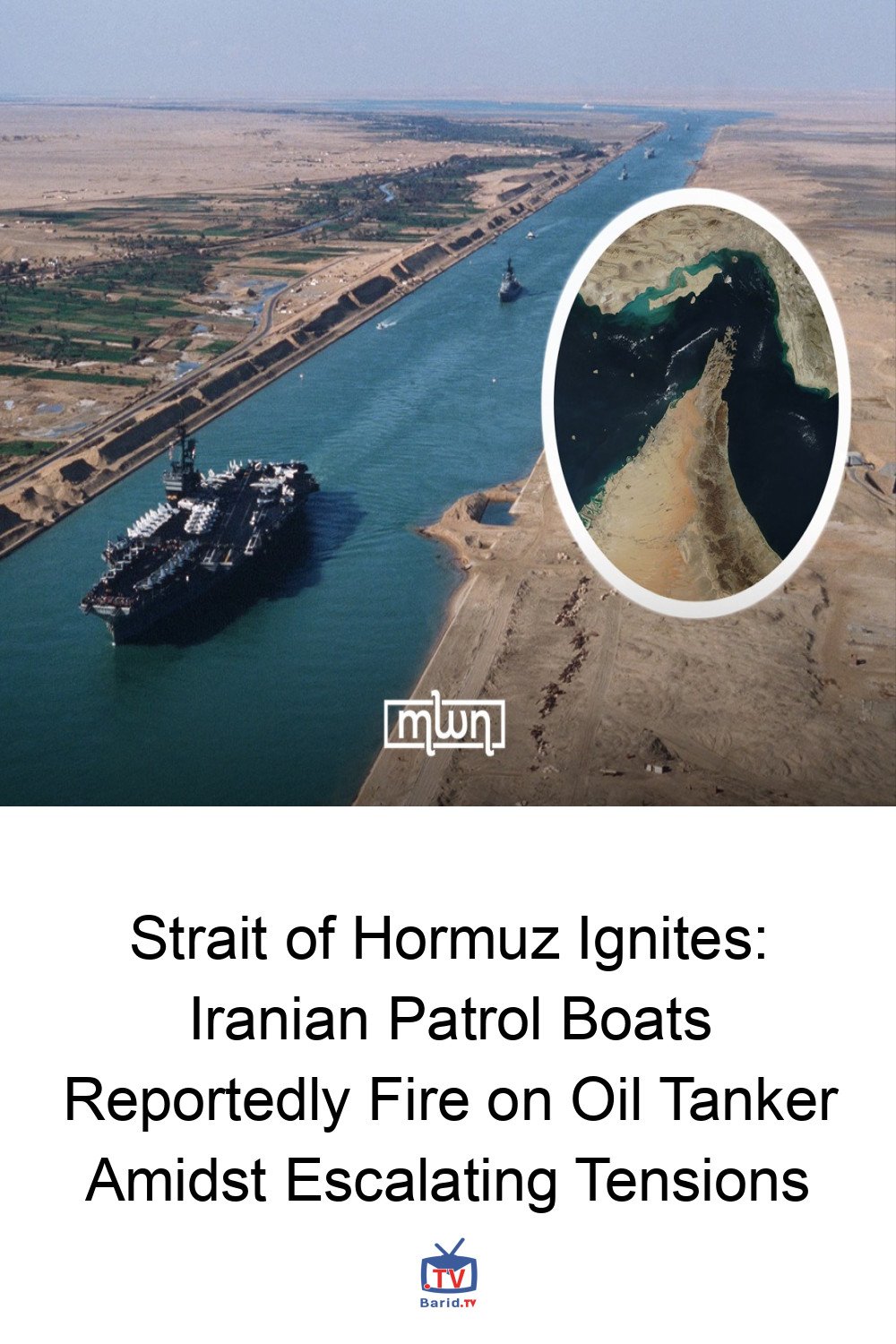
Strait of Hormuz Ignites: Iranian Patrol Boats Reportedly Fire on Oil Tanker Amidst Escalating Tensions
A critical global artery has once again become a flashpoint. Early Saturday, Iranian patrol boats reportedly opened fire on an oil tanker navigating the Strait of Hormuz, an incident that immediately sent ripples through international shipping and global markets. This aggressive act comes just days after Iran had signaled a willingness to keep the vital waterway open, only to reverse course and declare “strict control” in response to an ongoing US blockade of its ports.
Shots Fired: A Maritime Incident Unfolds
The United Kingdom Maritime Trade Operations (UKMTO) confirmed the alarming development, reporting that Iranian gunboats targeted the tanker as it traversed the narrow strait. While initial reports did not confirm major damage or injuries, the UKMTO swiftly issued a warning, urging all vessels in the area to maintain heightened vigilance and report any unusual activity. The incident marks a significant escalation in an already volatile region, challenging the fragile peace that governs one of the world’s most indispensable oil transit routes.
The Geopolitical Chessboard: US Blockade and Iranian Response
The attack is inextricably linked to the broader geopolitical standoff between Iran and the United States. Just prior to this incident, Iranian officials had indicated a commitment to keeping the Strait of Hormuz open for international shipping. However, today’s announcement of “strict control” directly counters that stance, appearing to be a retaliatory measure against the persistent US enforcement of a maritime blockade on Iranian ports. This blockade, as reaffirmed by US Central Command (CENTCOM), aims to prevent ships from entering or exiting Iranian coastal areas, a policy that former President Donald Trump had vowed to continue unless a comprehensive agreement with Iran was reached.
The US has consistently accused Iran of destabilizing regional security, while Tehran vehemently pushes back against what it perceives as unwarranted sanctions and military pressure. This latest confrontation underscores the dangerous dance between the two nations, with the Strait of Hormuz often serving as the stage for their escalating tensions.
Global Repercussions: Oil Markets and Shipping Routes
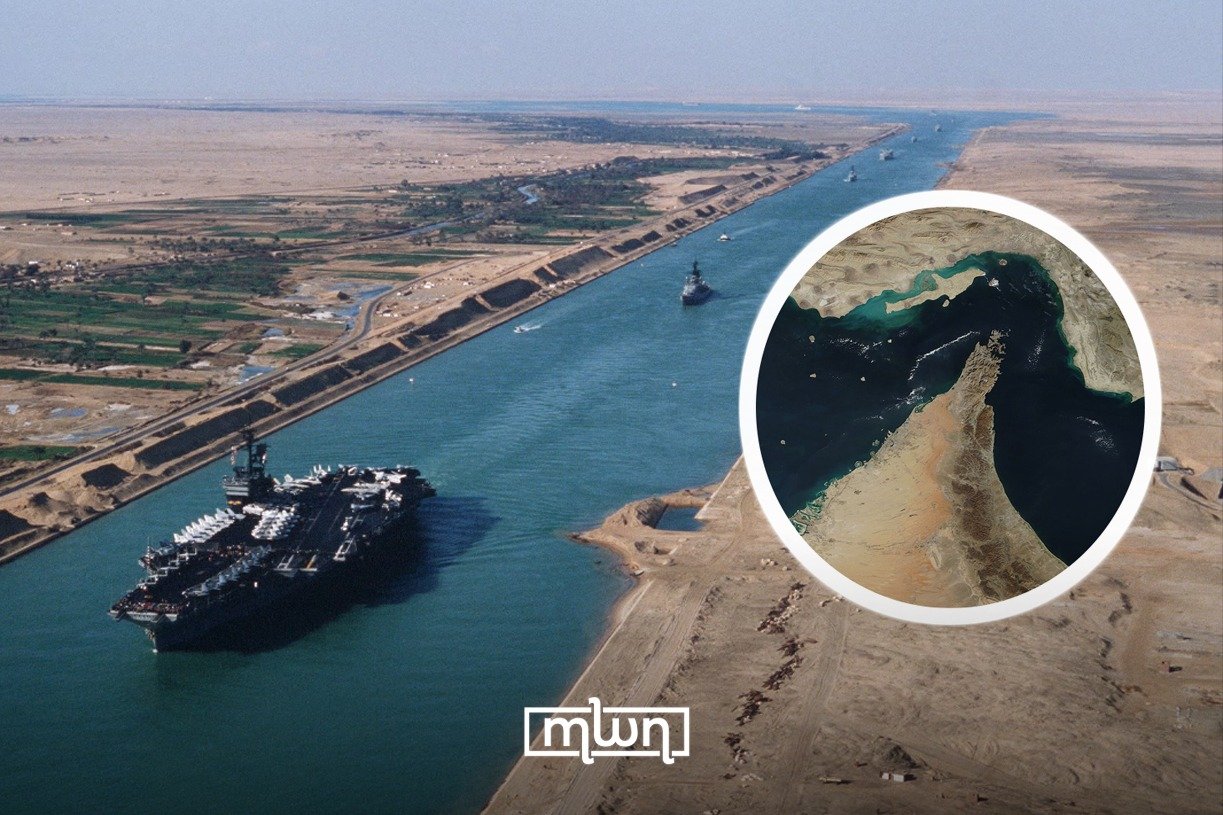
The Strait of Hormuz is not merely a waterway; it is a linchpin of global energy supply, connecting major oil producers in the Gulf to international markets. Any disruption, even a perceived threat, can trigger immediate and significant fluctuations in global oil prices and trade. Following Saturday’s reported attack, shipping companies are now on high alert. Reports indicate some vessels have already slowed or altered their routes as a precautionary measure, while others are holding back, awaiting clearer security assurances before venturing into the strait.
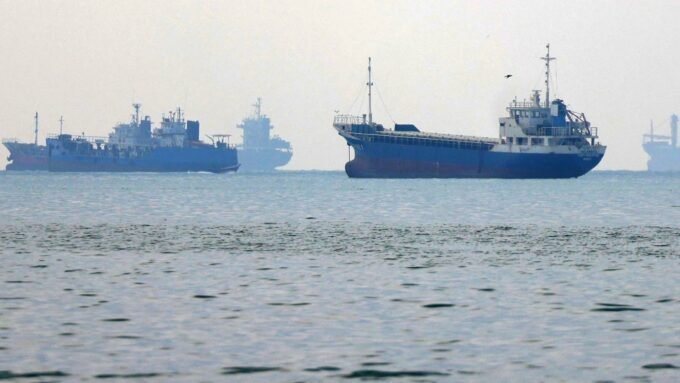
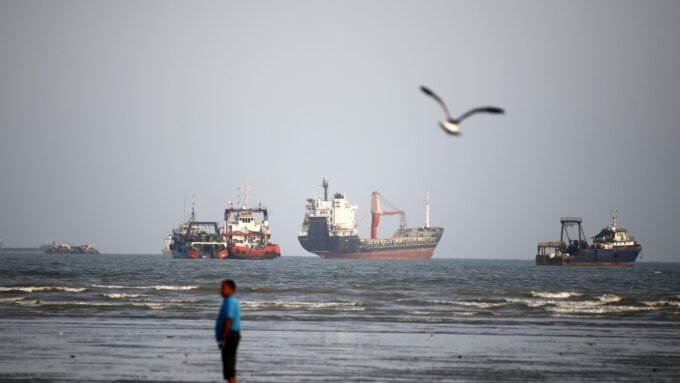
Adding to the uncertainty, merchant vessels have reportedly received radio messages from the Iranian navy, explicitly declaring the Strait of Hormuz shut once more. Satellite imagery from the region paints a stark picture: long queues of oil tankers and cargo ships are visible, idling near the entrance of the waterway, a testament to the immediate impact of these heightened tensions.
An Uncertain Future for the Strait of Hormuz
As of now, Iranian authorities have offered no official response regarding the reported attack. This silence only fuels speculation and anxiety among the international community. The incident serves as a stark reminder of the Strait of Hormuz’s critical role in global stability and the potential for rapid escalation in a region already fraught with complex political and military rivalries. The world watches closely to see how this latest chapter in the US-Iran saga will unfold, and what it means for the future of maritime freedom and global commerce.
For more details, visit our website.
Source: Link