
The World’s Most Critical Oil Chokepoint: A Current Snapshot
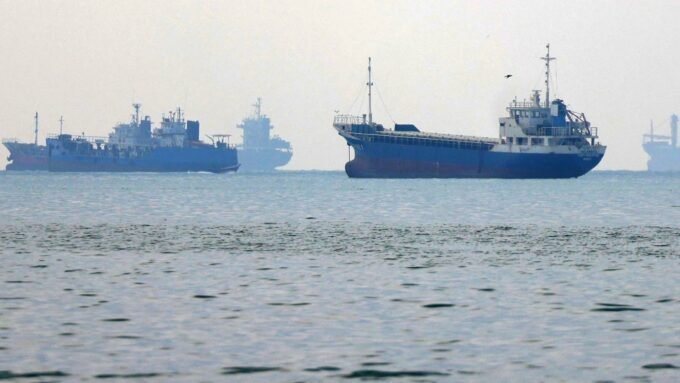
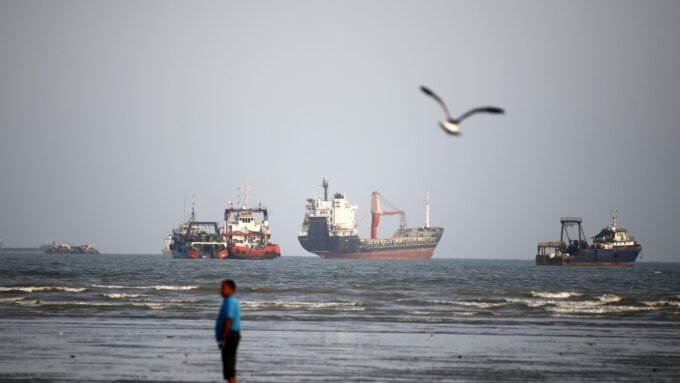
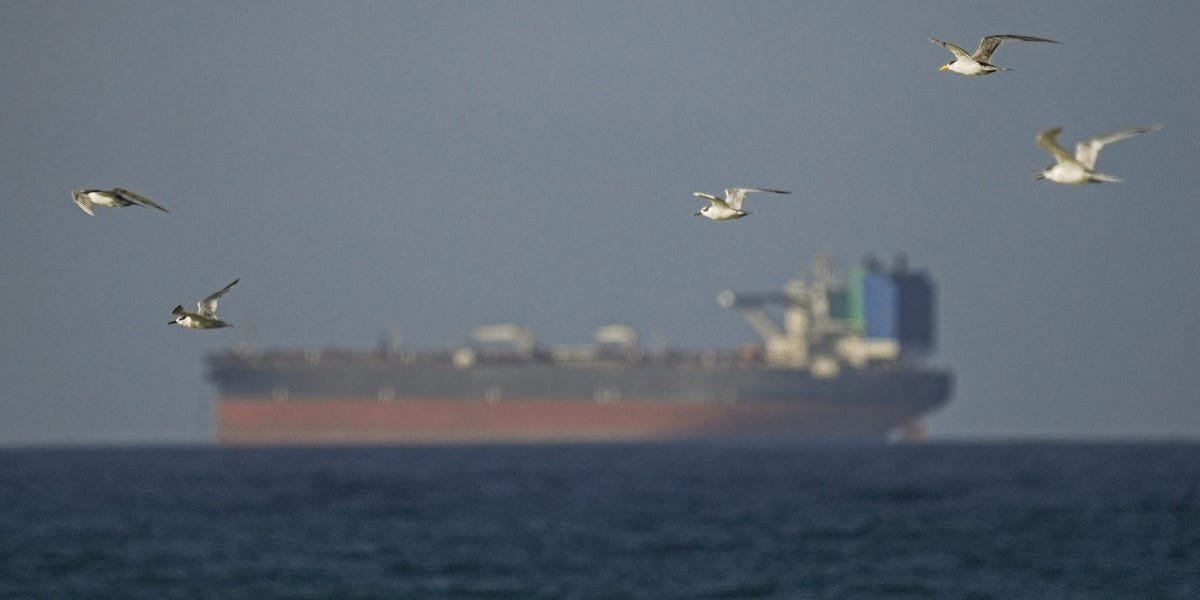
The Strait of Hormuz, a narrow waterway connecting the Persian Gulf to the open ocean, remains one of the most strategically vital maritime passages on Earth. For decades, its status has been a barometer of regional stability and global energy security. Despite periods of heightened geopolitical tension, commercial vessels are currently navigating this crucial artery, presenting a picture of what ‘completely open’ looks like for the global shipping industry – at least for now.
Unpacking the Strait’s Indispensable Role
Approximately one-fifth of the world’s total oil consumption, and a significant portion of its liquefied natural gas (LNG), transits through the Strait of Hormuz daily. This makes it an indispensable conduit for energy supplies reaching markets across Asia, Europe, and North America. Any disruption, even a minor one, sends ripples through global commodity markets, impacting everything from fuel prices to international trade agreements. The sheer volume and value of goods passing through underscore its unparalleled economic importance.
Navigating a Complex Geopolitical Landscape
The phrase “completely open for now” inherently acknowledges the complex geopolitical environment surrounding the Strait. Bordered by Iran to the north and Oman and the United Arab Emirates to the south, the waterway has frequently been at the nexus of international disputes, particularly involving Iran and Western powers. Past incidents, including vessel seizures and attacks on tankers, have highlighted the fragility of its ‘open’ status and the constant need for vigilance by international naval forces.
Current Operations: A Picture of Routine Passage
Today, the daily rhythm of commercial shipping largely proceeds without major incident. Tankers, container ships, and other cargo vessels adhere to established international maritime laws and designated shipping lanes, typically under the watchful eyes of various naval presences, including those from the U.S. and its allies. This routine passage, while seemingly mundane, is a testament to ongoing diplomatic efforts and the deterrent effect of international security operations aimed at ensuring freedom of navigation. For the shipping industry, ‘completely open’ signifies predictable transit times, manageable insurance premiums, and the uninterrupted flow of critical resources.
The Ever-Present ‘For Now’
However, the qualifier “for now” is crucial. The region remains susceptible to shifts in geopolitical dynamics, and the delicate balance that ensures the Strait’s openness can change rapidly. Analysts and industry stakeholders continuously monitor political developments, military postures, and diplomatic exchanges to anticipate potential impacts on this vital maritime corridor. While the current situation offers a degree of reassurance, the inherent volatility of the Middle East dictates that the world’s most important oil chokepoint will always be under close scrutiny.
For more details, visit our website.
Source: Link