
The Paradox of Peace: How Embracing My Breakdown Led to True Freedom
In a world constantly urging us to ‘stay strong’ and ‘keep it together,’ the idea of intentionally letting oneself fall apart seems counterintuitive. Yet, for many, the relentless pursuit of composure can become its own form of prison. This was a truth I discovered not through careful planning, but through an unexpected unraveling that ultimately set me free.
When Life Unravels: The Illusion of Control
I had meticulously orchestrated a significant life transition. Ten days. That was the self-imposed deadline to pack my entire existence into an SUV, moving from Toronto to Florida. It felt intentional, a conscious shedding of the old to embrace a clean slate. I believed I had ‘done the work’ – cultivated mindfulness, practiced gratitude, and built a robust emotional toolkit. What I hadn’t anticipated was the universe’s plan to dismantle everything else simultaneously.
During those ten days, a cascade of challenges hit: thousands in unexpected car repairs, a painful rift with a close friend, the heart-wrenching decision to rehome my beloved rescue dog of three years, and the profound grief of leaving a place that had offered deep solitude and stability. All this while preparing to move to a new country with a new partner. It was an overwhelming symphony of change, layered onto an already tight deadline. Despite my arsenal of self-help strategies, I felt myself spiraling, utterly convinced I was failing.
The Futility of Forced Composure
Every morning, I doubled down on my practices. Journaling, extended meditation, more breathwork, gym sessions – I clung to the belief that these tools would anchor me. “Stay grounded, stay present, stay grateful,” I chanted internally. But the anxiety persisted, a constant urge to cry that I fiercely suppressed. I felt overwhelmed, embarrassed by my raw emotions, and plagued by the thought, “I should be able to handle this better.” This self-judgment became an additional, crushing weight.
Years spent building resilience, mindfulness, and self-awareness seemed to vanish in the face of this onslaught. I was spiraling, not in spite of my tools, but perhaps because of how I was using them. The harder I tried to pull myself together, the deeper I sank into distress.
The Breakthrough: A Flood of Unfiltered Emotion
The breaking point arrived unexpectedly in a storage unit. My partner and I were wrestling with boxes, including cherished mementos of my late father that I wasn’t ready to release. Suddenly, the dam broke. There was no internal dialogue, no breathwork, no search for perspective. Just tears. A torrent of raw, unapologetic grief and exhaustion poured out, right there amidst the boxes, in front of my partner. For the first time in weeks, I stopped trying to be composed.
And in that moment, something profound shifted. Not the external circumstances, but my internal landscape. I wasn’t struggling because I was emotional; I was struggling because I believed I shouldn’t
be. I had unconsciously begun to judge my feelings: sadness meant I wasn’t healed, overwhelm meant I wasn’t grounded, being triggered felt like a personal failure. My definition of peace had become synonymous with constant regulation – a calm, steady state regardless of external chaos. This belief, I realized, was quietly sabotaging me.
Redefining Peace: The Power of Allowing
Standing in that storage unit, a new truth dawned: peace isn’t something we maintain by holding ourselves rigidly together. It’s something we return to after we’ve allowed ourselves to fully feel. My emotions weren’t the enemy; my resistance to them was. I had been wielding powerful tools like breathwork, meditation, and journaling, but with the wrong intention – using them to control my experience rather than to facilitate the natural movement of feelings through my body.
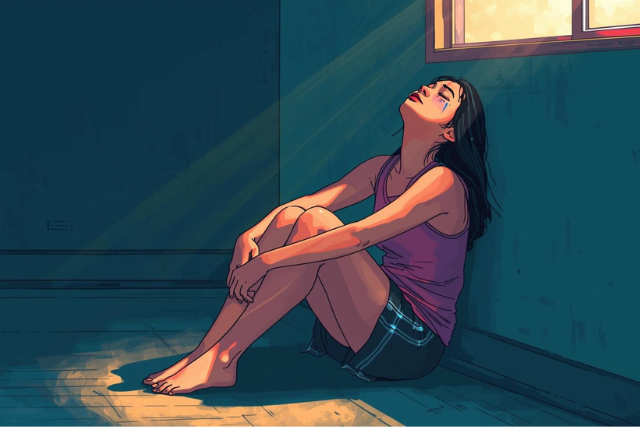
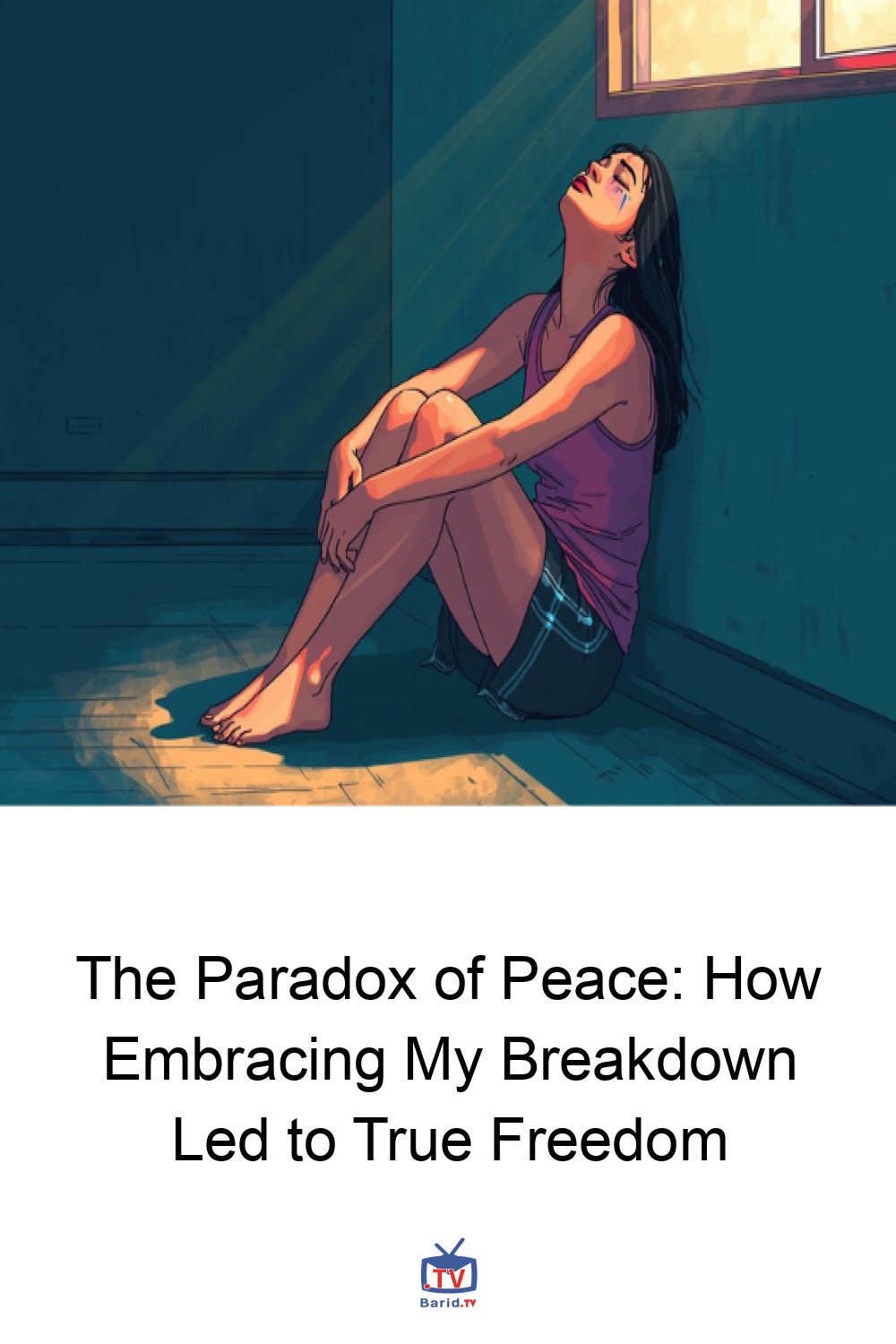
The sheer energy expended on this self-management became apparent only when I stopped. Back in my condo, I asked my partner for space. I didn’t need advice; I needed to let everything I had been holding spill out. Lying on my bed, I cried, I shook, I spoke aloud the grief, guilt, fear, and pressure I had so desperately tried to contain. It was a visceral, purifying release.
Finding Freedom in Vulnerability
This experience taught me that true strength isn’t about never falling apart, but about having the courage to let yourself do so. It’s about understanding that our emotions are messengers, not flaws. When we allow them to move through us, they lose their power to paralyze. The tools of mindfulness and self-care are invaluable, but their true purpose is to create space for acceptance, not to build walls against our authentic experience.
Embracing vulnerability, even in the messiest moments, is the ultimate act of self-love. It’s in these moments of surrender that we discover a deeper, more resilient peace – a peace that doesn’t demand constant composure, but flourishes in the freedom of simply being human.
For more details, visit our website.
Source: Link