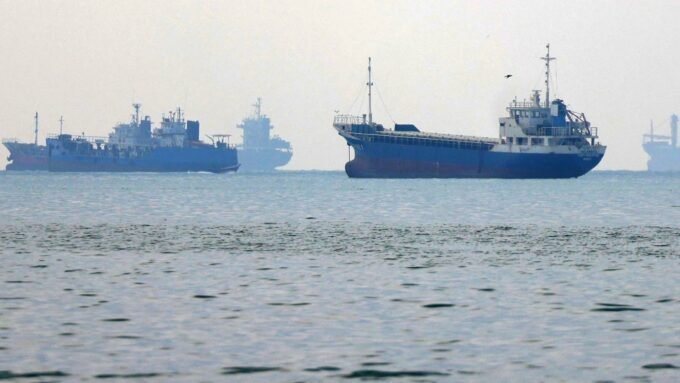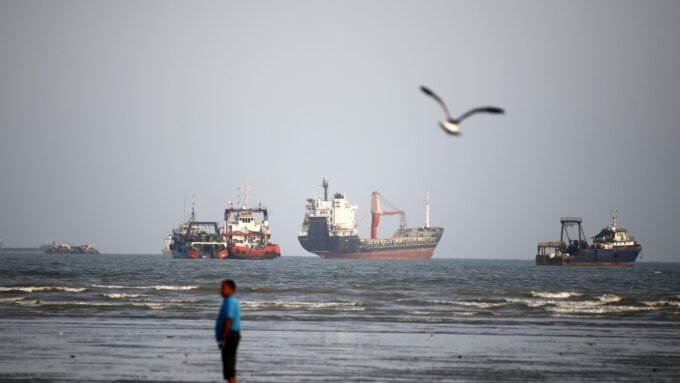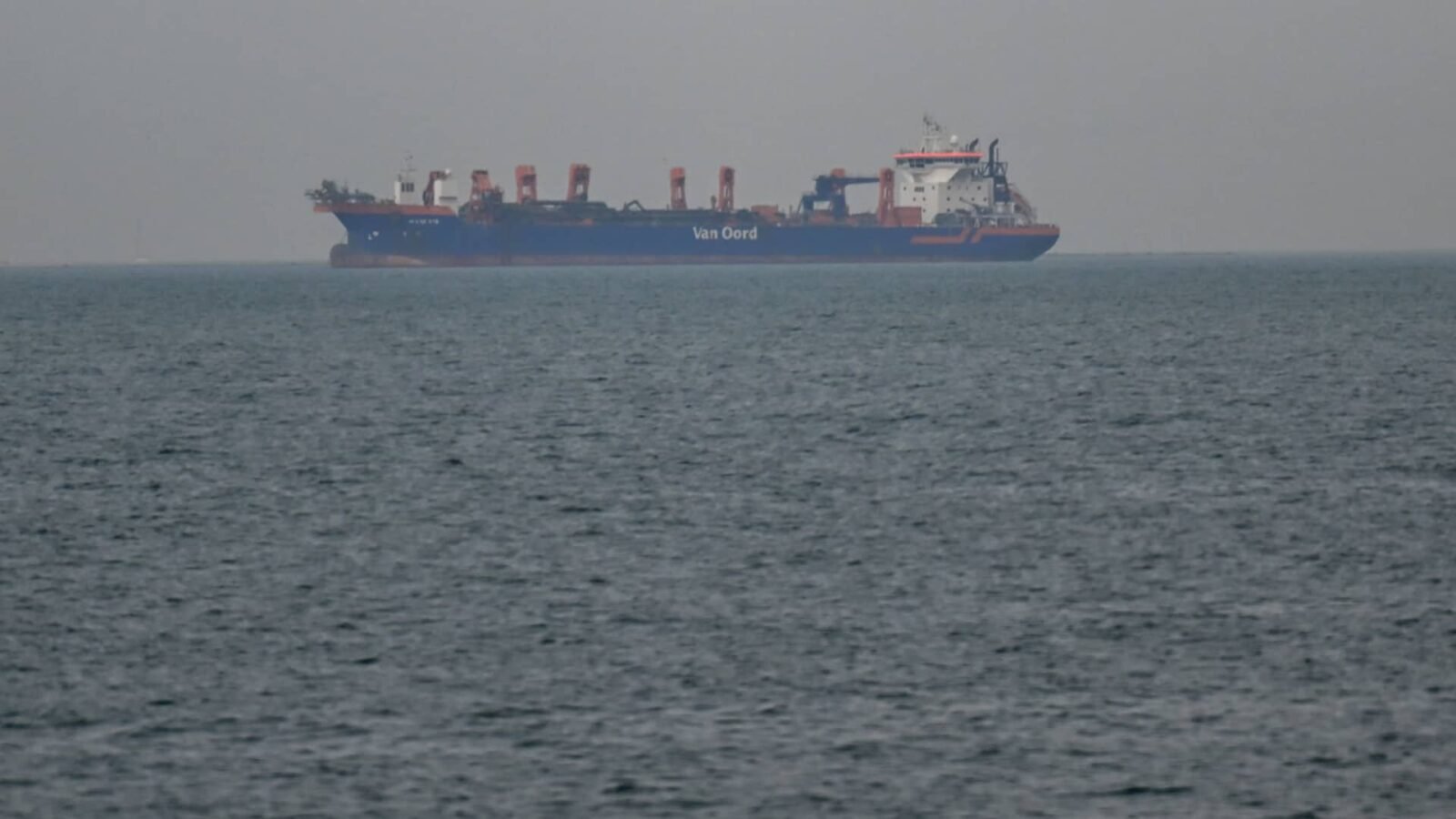

The world’s energy lifeline, the Strait of Hormuz, finds itself at the precipice of a potential blockade, a development poised to send seismic waves through global energy markets. With Iran’s Revolutionary Guards reportedly declaring the waterway shut and threatening any vessel attempting transit, the international community is bracing for an unprecedented disruption. While the repercussions would be felt worldwide, analysts are in agreement: Asia stands to bear the brunt of this escalating crisis.
The Strait of Hormuz: A Chokepoint of Global Significance
Nestled between Oman and Iran, the Strait of Hormuz is far more than just a narrow stretch of water; it is a critical artery for international oil trade. In 2025 alone, an estimated 13 million barrels of oil traversed this strait daily, accounting for a staggering 31% of all seaborne crude flows, according to energy consulting firm Kpler. Its closure would not only disrupt oil supplies but also imperil approximately 20% of global liquefied natural gas (LNG) exports originating from the Gulf, primarily from Qatar.
The immediate fallout has already been observed. Global benchmark Brent crude surged by 2.6% to around $80 per barrel, nearly 10% higher since the conflict‘s onset, with some analysts predicting a breach of the $100 mark if the blockade persists. Adding to the gravity, Qatar, a titan in LNG provision, halted production following drone attacks on its facilities at Ras Laffan and Mesaieed Industrial Cities.
Asia’s Vulnerability: A Regional Breakdown
Nomura analysts highlight Thailand, India, Korea, and the Philippines as particularly susceptible to soaring oil prices due to their heavy import dependence. Conversely, Malaysia, an energy exporter, might find itself in a relatively advantageous position. Let’s delve deeper into the regional impacts:
South Asia: Facing Immediate Physical Strain
South Asia is projected to experience the most acute disruption, especially concerning LNG supplies. Kpler data reveals that Qatar and the UAE supply a staggering 99% of Pakistan’s LNG imports, 72% of Bangladesh’s, and 53% of India’s.
Pakistan and Bangladesh, with their limited storage capacities and procurement flexibility, are exceptionally vulnerable. Bangladesh, for instance, is already grappling with a significant structural gas deficit, exceeding 1,300 million cubic feet per day. Analysts like Katayama suggest that such disruption would likely trigger rapid power-sector demand destruction rather than aggressive spot bidding for alternative supplies.
India’s exposure is multifaceted. Over half of its LNG imports are Gulf-linked, and a substantial portion is Brent-indexed. This means a Hormuz-driven crude spike would simultaneously inflate oil import costs and LNG contract prices, creating a dual physical and financial shock. Furthermore, with approximately 60% of India’s oil imports originating from the Middle East, a sustained blockade would intensify both energy import costs and current-account pressures.
China: Large Exposure, but with Buffers
As the world’s largest crude oil importer, China’s energy security would undoubtedly be tested. The nation procures over 80% of Iranian oil, and an estimated 40% of its total oil imports, alongside 30% of its LNG imports from Qatar and the UAE, transit through Hormuz, according to UBP.
However, China possesses certain advantages. Kpler’s Katayama notes its material exposure but also its greater flexibility. With LNG inventories standing at 7.6 million tons as of end-February, China has a short-term buffer. Should the outage persist, however, China would be forced to compete for Atlantic cargoes, tightening the Pacific basin and potentially intensifying price competition across Asia, even if Beijing avoids outright shortages.
Strategic petroleum reserves held by major consuming nations like China, coupled with recent increases in Saudi Arabian crude loadings, could offer some temporary market cushioning, as Rystad Energy suggests.
Japan and South Korea: High Import Reliance
These industrial powerhouses are heavily reliant on Middle Eastern oil, with the region supplying 75% of Japan’s and approximately 70% of South Korea’s oil imports, according to UBP. While their Gulf exposure for LNG is lower than South Asia’s (14% for South Korea, 6% for Japan from Qatar and UAE), the price effects of a blockade could still be severe.
Shier lee Lim, lead macro and FX strategist at Convera, emphasizes that economies with high energy import reliance, such as Japan, South Korea, and Taiwan, are inherently more exposed to supply shocks. Compounding this vulnerability, inventories in these nations are also limited, with South Korea, for instance, holding only about 3.5 million tons of LNG reserves.
The Road Ahead: Navigating Uncertainty
The potential closure of the Strait of Hormuz represents a critical juncture for global energy security and economic stability. While some nations possess greater buffers or alternative sourcing options, the ripple effects of such a disruption would undoubtedly be far-reaching, demanding swift and coordinated international responses to mitigate the impending crisis.
For more details, visit our website.
Source: Link