
The modern job market is undergoing a profound transformation, and artificial intelligence stands at the forefront of this revolution. No longer confined to the realms of science fiction, AI is now an integral part of the hiring process, influencing everything from initial screenings to the crucial interview stage. For job seekers, understanding this seismic shift isn’t just an advantage—it’s a necessity.
AI: The New Gatekeeper of Talent Acquisition
A recent study by Resume.org reveals the undeniable impact of AI on corporate hiring. A staggering 57% of companies now leverage AI in their recruitment efforts, with over a third specifically employing it for interviews. This isn’t merely a trend; it’s a fundamental change in how organizations identify and select talent.
Brandon Welch, Senior Director of Talent Acquisition at BambooHR, highlights AI’s significant influence on the “front-end of the interview process.” This includes sophisticated resume screening, precise candidate-to-job matching, and even AI-powered chatbots engaging applicants with qualifying questions. The data further underscores this pervasive adoption:
- 34% of companies currently utilize AI for job interviews.
- By 2026, 33% of businesses anticipate AI managing their entire company-wide hiring process.
- A remarkable 74% report improved hire quality thanks to AI.
- Perhaps most strikingly, 75% of decision-makers are prepared to let AI reject candidates without human oversight.
However, this rapid integration isn’t without its concerns. A significant 57% of companies worry about AI inadvertently screening out qualified candidates, and 50% fear it could introduce bias into the process.
Beyond the Resume: How AI Conducts Interviews
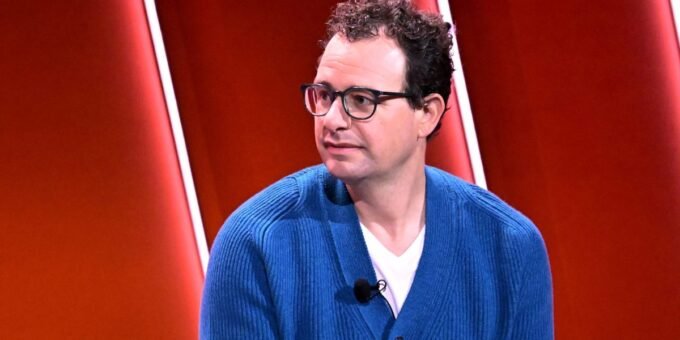
Career management specialists now view AI as the ultimate gatekeeper. Vasant Dhar, a professor at NYU’s Stern School of Business and author of “Thinking With Machines: The Brave New World of AI,” explains that AI screens cover letters and is increasingly deployed for interviews, particularly for roles requiring defined knowledge, like customer support. “AI is also being used to analyze responses to interview questions and to provide an overall assessment of candidates,” Dhar notes.
Intriguingly, research suggests that for well-defined tasks, AI interviewers often outperform their human counterparts, even when judged by humans. Dhar points out that AI consistently covers major interview topics and gathers more hiring-related information. Furthermore, many candidates actually prefer an AI interviewer, perhaps due to perceived impartiality or consistency.
The Evolving Human Element: Mastering the Live Interview
While AI streamlines initial stages, it paradoxically elevates the importance of the human-to-human interaction. Ariel Brito, Chief of Staff at Valon, an AI-native regulated finance services company, observes that traditional automated screens and behavioral assessments are losing efficacy because candidates can now “game them with AI tools.” This forces employers to adapt.
The live conversation, therefore, becomes more critical than ever. “When candidates can use AI to polish resumes and prep answers, the live conversation is where you see how someone actually thinks, adapts to new information, and makes decisions under uncertainty,” Brito emphasizes. The human interaction is now “more signal-rich.”
What to Expect: Unscripted Conversations and AI Literacy
Forget generic, scripted questions. Ali Gohar, Chief Human Resources Officer at Software Finder, predicts a shift towards “unscripted conversations to assess emotions, adaptability, and decisions.” Hiring managers are meticulously searching for “micro signals”—how candidates react to unexpected questions or provide detailed explanations under pressure.
Crucially, interviewers are now probing for genuine AI literacy. Candidates should prepare for questions such as: “How do you collaborate with AI in your workflow, and what are the steps you take?” or “What AI tool have you found useful for [specific task] and why? What were the direct results of that automation?”
These questions are designed to distinguish between those who merely use AI tools and those who truly understand, critically evaluate, and can correct AI outputs. Employers seek individuals who are knowledgeable, adaptable, and capable of thoughtful engagement with artificial intelligence.
Navigating the Future of Job Seeking
The integration of AI into the job search process is not a passing fad; it’s the new reality. By understanding AI’s role in screening and interviewing, and by honing skills in critical thinking, adaptability, and genuine AI literacy, job seekers can not only navigate this evolving landscape but also leverage it to their advantage. The future of work demands a new kind of preparation, one where human ingenuity and technological fluency converge.
For more details, visit our website.
Source: Link