




Across the global energy sector, a profound yet often understated transformation is unfolding. The discourse surrounding energy consumption is no longer theoretical; it’s a pressing reality shaped by grid congestion, dwindling water resources, the relentless march of industrial electrification, and the imperative for unwavering power supply to match dynamic demand patterns. This paradigm shift is so significant that even global energy giants like BP, Shell, and ExxonMobil are recalibrating their strategies, prioritizing reliable supply and robust infrastructure to meet surging power needs.
The International Energy Agency (IEA) projects a staggering 3.6% average annual growth in global electricity demand between 2026 and 2030 – a 50% acceleration compared to the past decade. At the forefront of this surge is the exponential rise in global data center electricity consumption, particularly fueled by the rapid expansion of AI-focused facilities. This trend shows no signs of abating, with the IEA estimating a 17% increase in data center electricity demand in 2025, and AI-centric facilities alone experiencing a colossal 50% jump. While AI operates in the digital realm, its foundational requirements are profoundly physical: land, robust energy grids, clean power, water for cooling, and flexible supply.
This evolving landscape fundamentally alters the questions facing governments and the energy industry. The focus is no longer on identifying the fastest-growing energy source or the most attention-grabbing project. Instead, the critical, practical challenge is: how do we construct the optimal energy mix to deliver reliable, affordable, and progressively lower-carbon power amidst escalating pressures? A standalone solar farm or desalination plant, while valuable, does not inherently confer a national advantage. True advantage emerges when these assets are seamlessly integrated into a diversified and synchronized ecosystem.
Abu Dhabi’s Integrated Vision: A Half-Century Head Start
For over five decades, Abu Dhabi has been meticulously constructing just such an ecosystem. The emirate has pioneered an advanced energy and water architecture where a meticulously balanced energy mix ensures secure, sustainable, and affordable power. This system operates in perfect harmony with sophisticated grid planning, advanced water desalination and reuse technologies, all underpinned by progressive regulation and long-term capital investment. Abu Dhabi’s philosophy rejects the false dichotomy between energy security and sustainability, instead resolving this tension through an ingenious system design, built upon a multi-faceted approach.
Element 1: Responsible Hydrocarbon Production
Hydrocarbons will undeniably remain a cornerstone of global energy security for years to come, especially in sectors where scalable alternatives are still maturing. The pertinent question for producers, therefore, shifts to efficiency: how can these vital resources be extracted and utilized with greater responsibility and less environmental impact? The performance of hydrocarbons must be viewed within the context of a broader system that simultaneously scales clean electricity inputs and enhances efficiency across the entire value chain. Notably, Murban crude, produced by the Abu Dhabi National Oil Company (ADNOC), boasts a carbon intensity less than half the global industry average. Furthermore, ADNOC’s strategic partnership with Emirates Water and Electricity Company (EWEC) leverages clean grid power, significantly reducing its emissions profile.
Element 2: Delivering Clean, Reliable Power at Scale
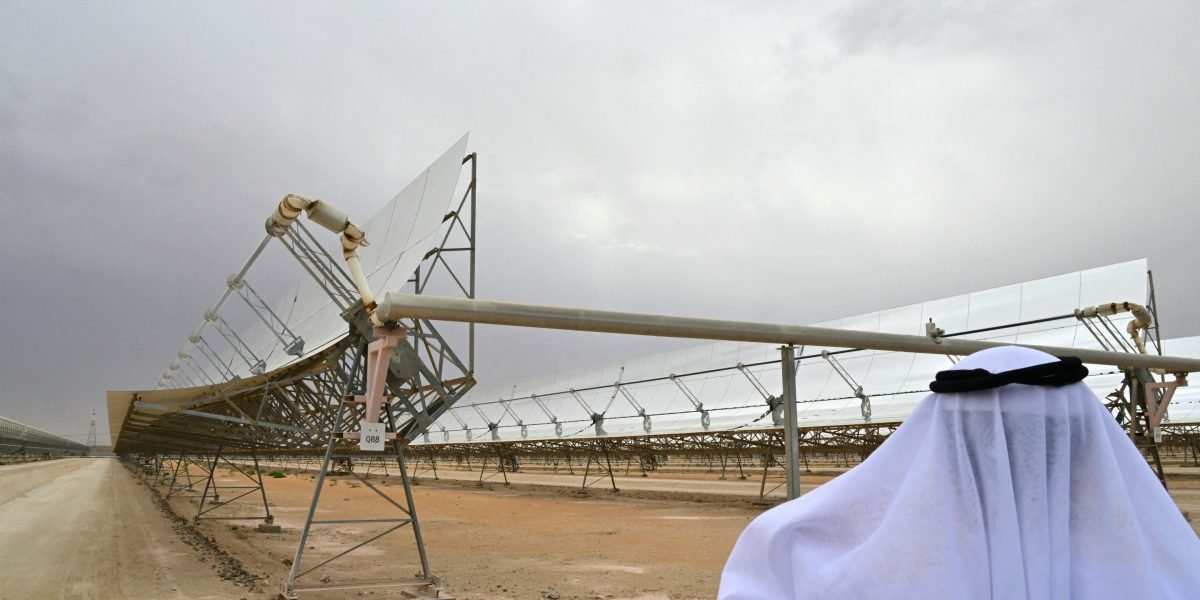
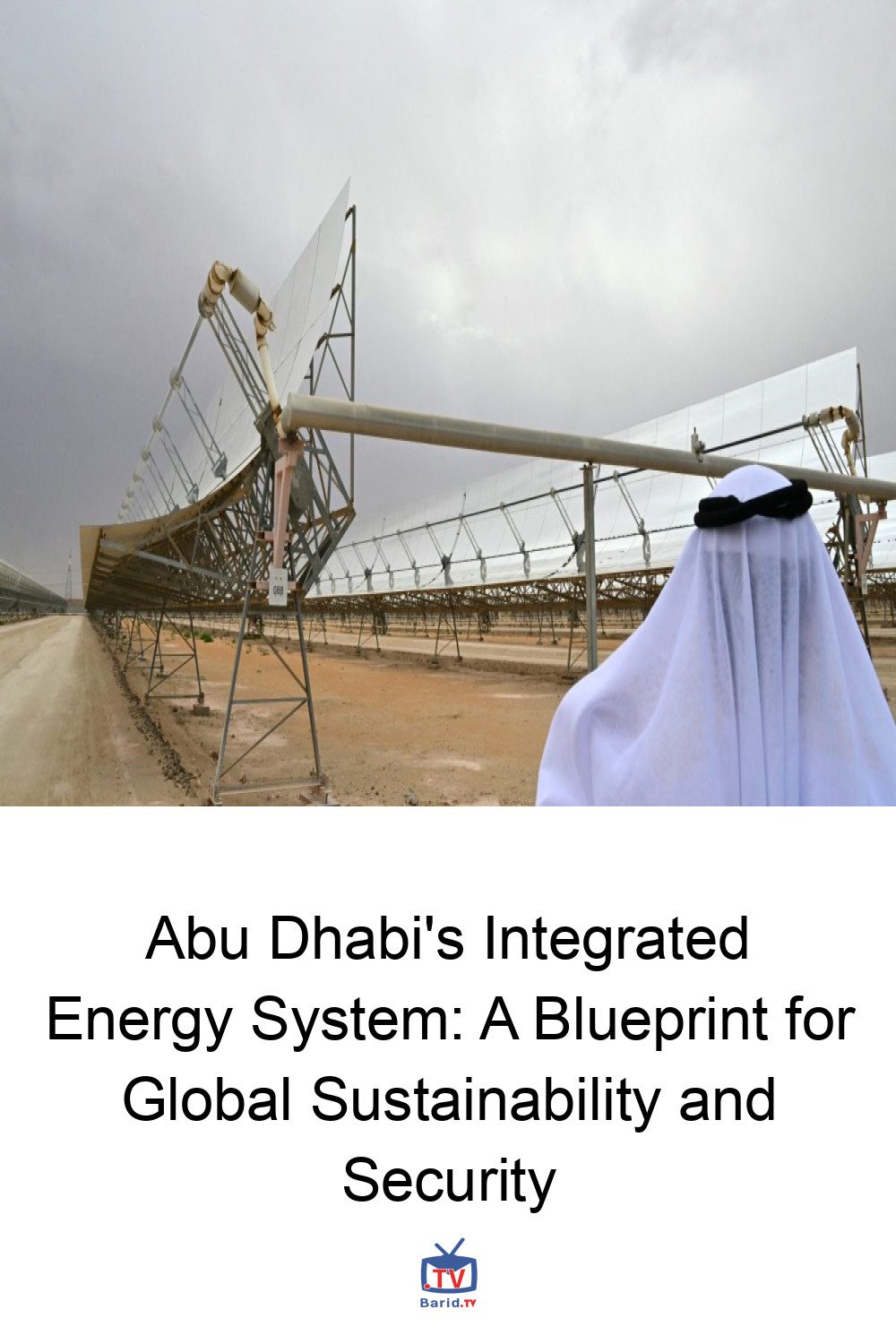
The second crucial element is the provision of clean, reliable power at a scale that can support rapidly expanding economies. Solar energy offers rapid scalability in regions with abundant sunlight, while nuclear power provides a continuous, low-carbon baseload. Natural gas, in turn, offers essential flexibility to adapt to fluctuating demand. The true challenge lies in seamlessly integrating these diverse resources into a cohesive power system capable of consistently meeting the needs of homes, industries, and critical infrastructure, every hour of every day. Abu Dhabi’s extensive experience demonstrates how foresight and long-term planning can cultivate a diverse and resilient energy mix. EWEC already supplies over 80% of the emirate’s total power demand using renewable and clean energy from solar and nuclear sources. The Barakah Nuclear Energy Plant stands as a testament to large-scale clean baseload generation, while Masdar’s global renewable energy portfolio has soared to 65GW and is projected to reach 100GW by 2030. Collectively, these assets exemplify how clean power can form the bedrock of a balanced and secure energy future.
Element 3: Integrated Water Management
The third, and equally vital, element is water. A data center, for instance, requires not only electricity but also substantial water for cooling. Conversely, a desalination plant, while providing essential water, simultaneously creates significant energy demand. Treating these as isolated challenges inevitably leads to increased costs and complexities over time. In arid regions, this integrated approach becomes a critical test of whether resilience has been embedded into the system from its inception. For Abu Dhabi, water security is intrinsically linked to its economic platform, mirroring the importance of energy security. The emirate has meticulously built resilience through diversified desalination methods, proactive energy demand management, and comprehensive long-term infrastructure planning. This integrated strategy is increasingly crucial as water scarcity intensifies pressure on communities and infrastructure globally, even in traditionally water-rich areas. (The original article content was truncated here, indicating further elements or elaboration were intended.)
For more details, visit our website.
Source: Link






Leave a comment