
The Growing Trend of Digital Restrictions for Minors
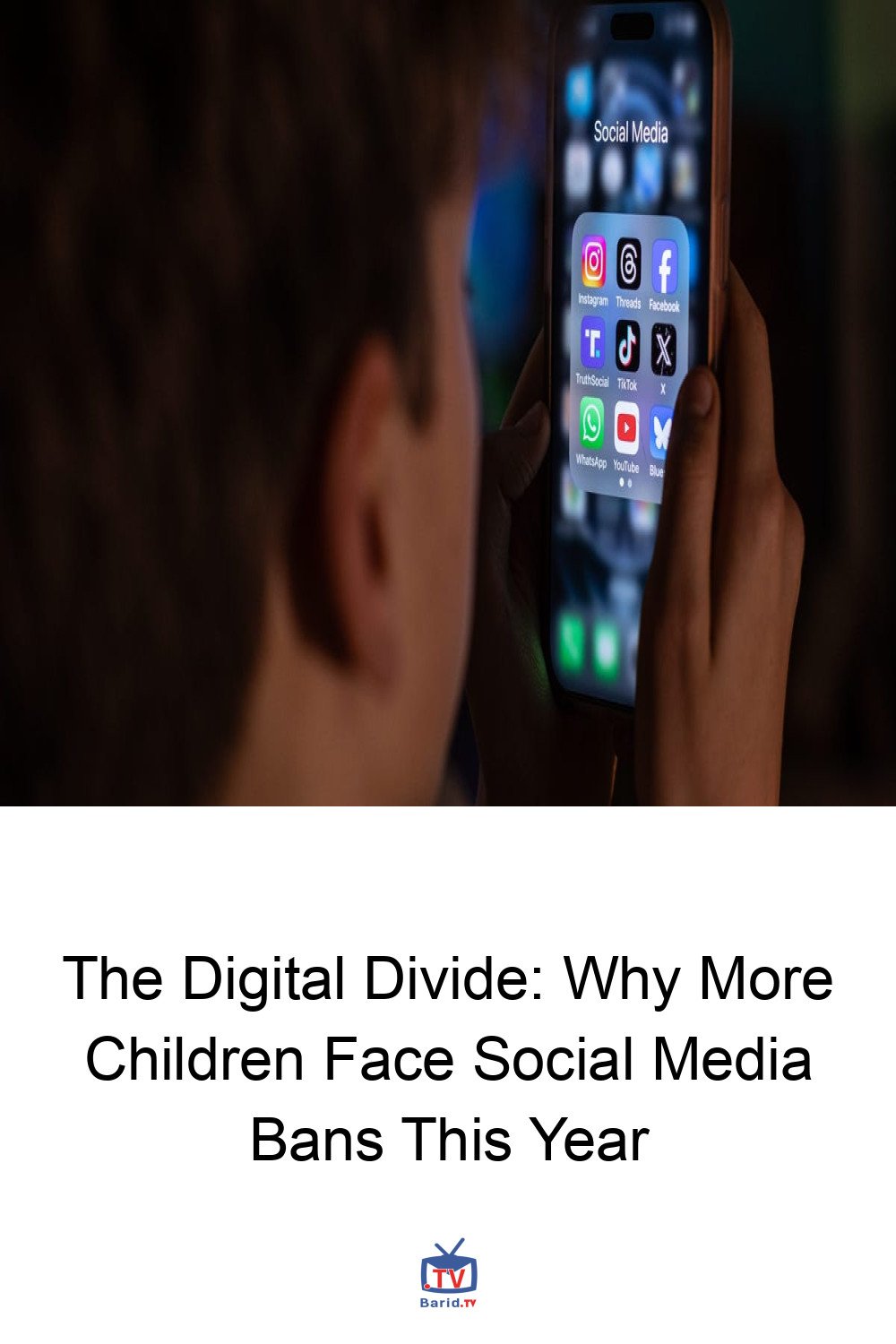
In an unprecedented shift, projections indicate that a record number of children will find themselves restricted or outright banned from social media platforms this year. This escalating trend reflects a confluence of factors, including heightened parental awareness, stricter platform enforcement, and a growing legislative push to safeguard minors in the digital realm. As the virtual world becomes an increasingly complex landscape, the collective effort to re-evaluate children’s access to social media is reaching a critical juncture.
Understanding the Drivers Behind the Ban Wave
Parental Vigilance on the Rise
Parents are at the forefront of this movement, increasingly concerned about the detrimental effects of social media on their children’s mental health, privacy, and exposure to inappropriate content. Studies linking excessive screen time and social media use to anxiety, depression, and cyberbullying have spurred many guardians to implement stricter rules, utilize parental control apps, or even remove access entirely. The desire to foster healthier developmental environments offline is a powerful motivator.
Platform Enforcement and Age Gating
Social media companies themselves are under immense pressure, both from the public and regulatory bodies, to enforce their own age restrictions more rigorously. Most major platforms stipulate a minimum age of 13 for account creation. However, historically, these rules have been loosely applied. Now, with advancements in AI-driven age verification tools and a renewed commitment to compliance, platforms are beginning to crack down, leading to more accounts belonging to underage users being identified and suspended.
Legislative Push for Child Safety
Governments worldwide are also stepping into the fray, recognizing the need for robust legal frameworks to protect children online. New laws and proposed legislation aim to hold platforms accountable for child safety, mandating stronger age verification processes, limiting data collection on minors, and requiring features that prioritize well-being over engagement. This regulatory environment is compelling companies to act decisively, contributing significantly to the rise in bans.
The Ripple Effect: What These Bans Mean
Impact on Young Users
For children, being banned from social media can evoke a mix of emotions. While some may experience initial feelings of exclusion or frustration, others might find themselves with more time for offline activities, improved sleep, and reduced exposure to online pressures. The long-term impact on social development and peer interaction remains a subject of ongoing study and debate.
Challenges for Families
Families face the challenge of navigating this digital detox. Parents must find alternative ways for children to connect with friends, engage in hobbies, and develop digital literacy skills in a controlled environment. It’s an opportunity to foster open communication about online safety and responsible technology use.
A New Era for Social Media
For social media companies, this trend signals a pivotal moment. They are being forced to innovate, not just for user engagement, but for user safety, especially concerning their youngest potential audience. This could lead to the development of more age-appropriate platforms, enhanced parental controls, and a fundamental re-evaluation of their business models concerning minors.
The increasing number of children banned from social media platforms this year is more than just a statistic; it represents a societal reckoning with the digital age. It underscores a collective commitment to safeguarding childhood, prompting a crucial re-evaluation of how young people interact with the online world and the responsibilities of all stakeholders in ensuring their well-being.
For more details, visit our website.
Source: Link